
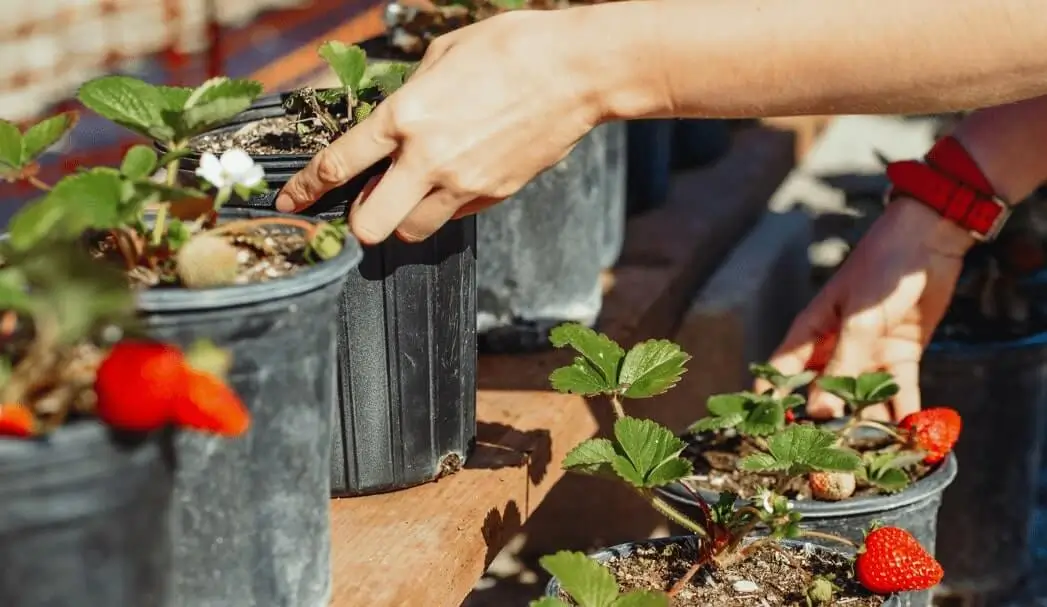
Container fruit gardening is the perfect solution for anyone who wants to grow fresh, delicious fruit in limited spaces. Whether you have a small balcony, patio, rooftop, or compact backyard, growing fruit in containers allows you to enjoy homegrown harvests without needing a large garden. With the right containers, soil, watering routine, and fruit varieties, you can successfully grow healthy plants and maximize your space efficiently. This complete guide will walk you through practical tips, beginner-friendly techniques, and expert advice to help you create a thriving container fruit garden in even the smallest areas.
Choosing the Right Containers for Fruit Plants
Your container is the foundation of a successful harvest. Choosing wisely ensures healthy root systems and long-term plant vitality.
- Material matters: Clay breathes well but dries fast; plastic retains moisture; wood insulates roots well.
- Drainage: Always ensure holes at the base of your container.
- Size: Larger fruits like citrus or figs need deep containers—at least 18–24 inches.
For design inspiration, visit Fruit Plants for Containers: A Complete Home Gardener’s Guide, which showcases the best pot styles and materials for different fruit varieties.
Selecting the Best Fruits for Containers
Some fruits naturally adapt better to container growing, especially compact or dwarf varieties.
Top performers include:
- Strawberries
- Blueberries
- Dwarf citrus trees
- Figs
- Bush tomatoes
For deeper insight, read Best Fruits for Container Gardening. It lists space-efficient options and gives detailed care tips for each fruit type.
If you’re planning a mini orchard, GrowFruitly’s Container Fruit Gardening: How to Grow an Abundant Mini Orchard in Pots offers step-by-step guidance for maximizing productivity in small areas.
Creating the Perfect Soil Mix
Healthy soil means healthy fruit. Avoid garden soil—it’s too dense and retains excess water.
DIY Potting Mix
- 1 part peat moss
- 1 part perlite or coarse sand
- 1 part compost
- Add a slow-release organic fertilizer
Adjust pH based on fruit type:
- Blueberries: 4.5–5.5
- Citrus: 6.0–6.5
A quick soil test helps ensure balance before planting.
Planting and Positioning Your Container Fruits
- Plant fruits at the same depth they grew in their nursery pots.
- Water thoroughly after planting.
- Provide 6–8 hours of direct sunlight daily.
- Space containers to allow airflow.
Position sun-loving plants like tomatoes and citrus in full sun, while berries do well in partial shade during hot summers.
Watering and Mulching Tips
Watering consistency is the key to fruit sweetness. Containers dry out faster, so check moisture daily during summer.
Watering Tips
- Water early in the day to reduce evaporation.
- Add mulch like straw or wood chips to conserve moisture.
- Group containers together to create a shaded microclimate.
If you plan to expand your setup, pairing watering systems with ideas from GrowFruitly’s small-space fruit gardening guides will make maintenance easier.
Fertilizing and Feeding Container Fruits
Container-grown fruits rely heavily on regular feeding.
- Use slow-release fertilizer every 8–10 weeks.
- Supplement with liquid feed every 2–3 weeks.
- Try organic compost teas for added micronutrients.
Overfeeding can burn roots, so always follow dosage instructions carefully.
Managing Pests and Diseases
Even in containers, pests can appear. Regular monitoring helps prevent damage.
Common pests include:
- Aphids
- Spider mites
- Whiteflies
Natural Pest Control
- Spray with neem oil or insecticidal soap.
- Encourage beneficial insects like ladybugs.
- Keep leaves dry and plants spaced apart to prevent fungal growth.
For advanced tips, explore Fruit Gardening in Small Spaces: Grow Your Own, which includes pest prevention methods and companion planting ideas.
Pruning and Training for Compact Growth
Pruning keeps container plants productive and attractive.
- Trim back dead or crowded branches.
- Use stakes or trellises to guide growth.
- Lightly prune after harvest to encourage new shoots.
GrowFruitly’s Dwarf Fruit Trees in Pots: The Complete Guide to Growing Big Harvests in Small Spaces covers advanced pruning, root trimming, and shaping techniques for compact trees.
Seasonal Care and Overwintering
Spring
- Refresh potting soil and start fertilizing.
Summer
- Maintain consistent watering.
- Provide shade during extreme heat.
Fall
- Reduce feeding and prune lightly.
Winter
- Move pots indoors or wrap them in insulation.
- Stop watering when plants go dormant.
These seasonal adjustments ensure plants rest and recover, ready for the next harvest cycle.
Harvesting and Maintenance
The joy of container fruit gardening culminates in harvest season.
- Harvest strawberries when bright red.
- Blueberries should fall off easily when ripe.
- Citrus fruits are ready when fully colored and aromatic.
Clean and inspect containers after each harvest to prevent diseases from overwintering.
Common Mistakes to Avoid
- Overcrowding plants
- Using poor-quality soil
- Skipping fertilization
- Overwatering or underwatering
- Neglecting pollination for self-sterile fruits
Avoiding these errors keeps your container orchard thriving for years.
FAQs
What fruits grow best in containers?
Strawberries, blueberries, citrus, figs, and tomatoes.
How often should I water container fruits?
Check daily in warm weather; water when topsoil feels dry.
Can fruit trees live permanently in pots?
Yes, especially dwarf or patio varieties with proper pruning.
What is the easiest fruit for beginners?
Strawberries and lemons are low-maintenance and rewarding.
Conclusion: Harvest Happiness from Any Space
With the right mix of containers, soil, and care, container fruit gardening can turn even the smallest space into a productive oasis.
Each container is a microcosm of life, offering beauty, fragrance, and flavor. Explore more tips and fruit-specific guides at GrowFruitly.com to deepen your gardening journey.