
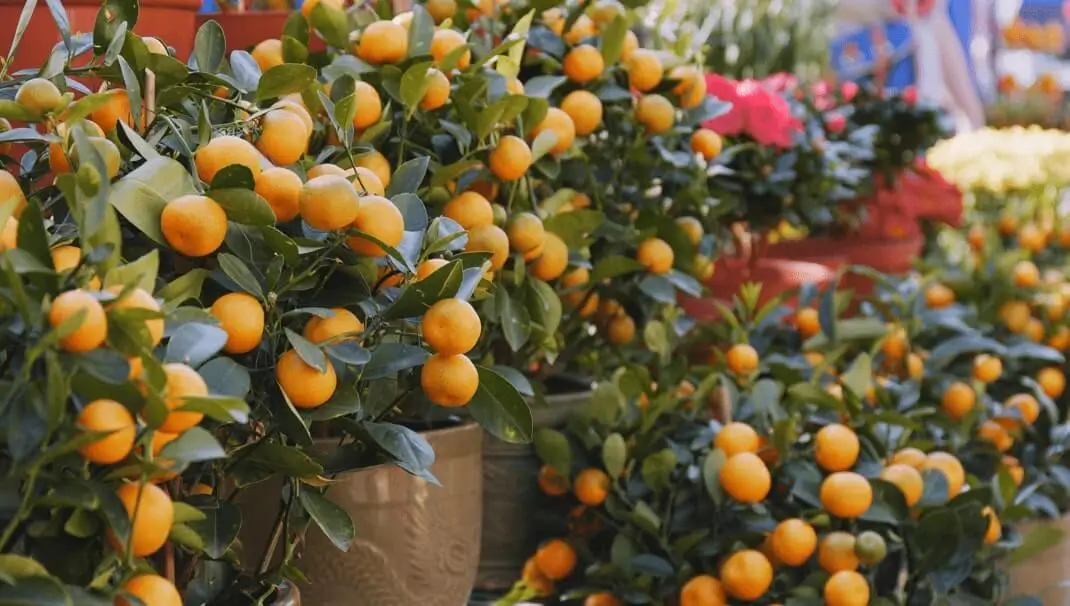
Many gardeners wonder whether fruit trees can truly thrive in containers or if they will always produce less than trees planted in the ground. The good news is that with the right container size, proper care, and suitable fruit tree varieties, container-grown fruit trees can produce abundant harvests even in small spaces like balconies, patios, rooftops, and urban gardens. This guide explains how container fruit trees perform, what affects their productivity, and how to maximize fruit production successfully.
Why This Topic Matters for Container Fruit Gardening
Container fruit gardening isn’t just a compromise—it’s a strategic growing method. When done correctly, containers offer advantages that traditional ground planting can’t.
Containers Give You More Control
Growing fruit trees in pots allows you to control:
- Soil quality and drainage
- Root growth and tree size
- Sun exposure (you can move containers)
- Protection from frost or extreme heat
This level of control often results in healthier trees and more consistent fruiting, especially for beginners.
Ideal for Small Spaces and Urban Homes
If you live in an apartment or have a small patio, containers make fruit growing possible. In fact, wide dwarf and semi-dwarf varieties are specifically bred for container production, meaning they can fruit abundantly without ever going into the ground.
👉 If space is your main concern, see our detailed comparison of growing fruit in containers versus planting in the ground.
Can Fruit Trees Actually Produce Well in Containers?
Yes—fruit trees can produce very well in containers, but success depends on matching the right tree with the right setup.
What “Producing Well” Really Means
In containers, productivity looks slightly different from that in the ground:
- Smaller overall yield, but high-quality fruit
- Easier harvesting and pruning
- Faster maturity for dwarf varieties
A well-grown potted citrus, apple, or fig tree can produce dozens of fruits per season once established.
Best Fruit Trees for Container Production
These trees consistently perform well in pots:
- Citrus (lemon, lime, orange)
- Fig trees
- Dwarf apple and pear trees
- Peach and nectarine (dwarf types)
- Olive trees (warm climates)
Choosing the right variety is more important than choosing the right fertilizer.
Step-by-Step: How to Get High Yields from Fruit Trees in Containers
1. Choose the Right Container Size (This Is Critical)
Small pots = small harvests. Most fruit trees need:
- Minimum 15–25 gallons for young trees
- 30–50 gallons for mature production
Wide containers are better than deep ones because feeder roots spread horizontally.
👉 Learn how to select the best containers for balcony fruit trees to avoid root restriction.
2. Use High-Quality, Well-Draining Soil
Garden soil is too heavy for pots. Use:
- High-quality potting mix
- Added compost for nutrients
- Perlite or pine bark for drainage
Poor drainage is one of the biggest reasons fruit trees fail in containers. If water can’t escape, roots suffocate.
👉 For more details, read our guide on drainage tips for container fruit trees.
3. Give Enough Sunlight
Most fruit trees need:
- 6–8 hours of direct sunlight daily
If sunlight is limited:
- Choose dwarf varieties
- Focus on citrus or figs, which tolerate containers best.
Rotating containers every few weeks helps even growth and better flowering.
4. Water Correctly (Not Too Much, Not Too Little)
Container trees dry out faster than ground trees. A good rule:
- Water deeply until it drains from the bottom
- Let the top inch of soil dry before watering again.
Overwatering leads to leaf yellowing and poor fruit set.
👉 Follow a reliable watering schedule for potted fruit plants to keep roots healthy.
5. Fertilize for Fruit, Not Just Leaves
Fruit trees in containers depend entirely on you for nutrients. Use:
- Slow-release organic fertilizer
- Supplemental liquid feed during flowering and fruiting
Avoid excess nitrogen—it causes leafy growth but reduces fruit production.
Common Mistakes Beginners Make with Container Fruit Trees
1. Using Pots That Are Too Small
This leads to:
- Root-bound trees
- Weak flowering
- Dropped fruit
2. Ignoring Pruning
Container trees need regular pruning to:
- Control size
- Improve airflow
- Encourage fruiting wood
3. Poor Drainage Setup
No drainage holes = guaranteed root problems.
4. Expecting Instant Results
Most fruit trees need 1–3 years before they begin strong production.
👉 Avoid these issues by learning the most common container fruit gardening mistakes.
Tools, Containers, and Care Tips That Improve Yields
Recommended Tools
- Moisture meter (optional but helpful)
- Sharp pruning shears
- Mulch to reduce moisture loss
Container Materials That Work Best
- Fabric grow bags (excellent drainage)
- Plastic pots (lightweight and affordable)
- Glazed ceramic (heavy but stable)
Seasonal Care Tips
- Protect roots in winter with insulation.
- Repot every 2–3 years.
- Refresh topsoil annually
Frequently Asked Questions (FAQ)
Can fruit trees produce as much in containers as in the ground?
They usually produce less total fruit, but the quality is often equal to or better under controlled conditions.
How long do container fruit trees live?
With proper care, many live 10–20 years or more in containers.
Do container fruit trees need hand pollination?
Some do, especially indoors. Outdoor trees usually rely on natural pollinators.
Why does my potted fruit tree flower but not fruit?
Common causes include lack of sunlight, nutrient imbalance, or water stress.
Can I grow fruit trees indoors year-round?
Only certain types (like citrus) can adapt, and they still need strong light.
Conclusion: Do Fruit Trees Produce Well in Containers?
Yes—fruit trees can produce very well in containers when grown with intention. The key is understanding that containers change how trees grow, not whether they can succeed. By choosing the right varieties, using large containers, maintaining good drainage, and providing proper care, even beginners can enjoy reliable harvests in small spaces.
Your Next Steps
- Start with one dwarf or citrus tree.
- Invest in a proper container and soil.
- Follow a consistent care routine.
Container fruit gardening isn’t a shortcut—it’s a smarter way to grow fruit where space is limited. 🌱