
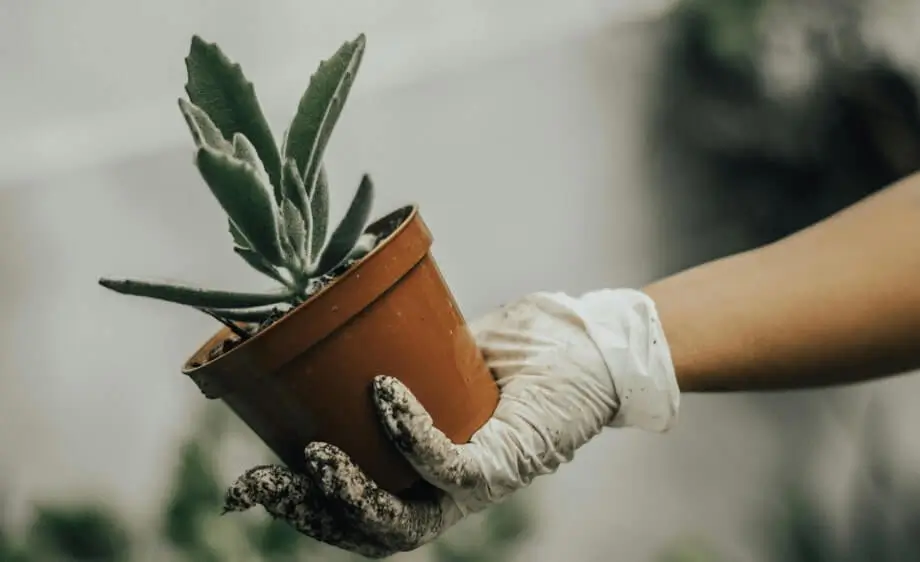
Growing fruit in containers is one of the easiest and most rewarding ways to enjoy fresh, homegrown harvests even if you have limited space. Whether you have a small balcony, patio, rooftop, or tiny backyard, container gardening allows you to grow delicious fruits without needing a large traditional garden. From juicy strawberries and lemons to figs and dwarf apple trees, many fruit varieties thrive beautifully in pots when given the right care.
Container fruit gardening is also perfect for beginners because it gives you more control over soil quality, watering, sunlight, and plant health. You can easily move containers to protect plants from harsh weather, improve sunlight exposure, or decorate outdoor living spaces with productive greenery.
In this complete guide, you’ll learn everything you need to know about growing fruit in containers successfully, including choosing the right pots, selecting the best soil mix, watering correctly, fertilizing properly, and picking the easiest fruits to grow in small spaces. Whether you’re a first-time gardener or looking to expand your urban garden, this guide will help you grow healthy plants and enjoy bigger harvests right at home.
🌿 Why Grow Fruit in Containers?
There are plenty of reasons to grow fruit in pots:
- Space efficiency: Great for balconies and patios.
- Climate control: Move plants to protect from frost or excessive heat.
- Soil management: Customize pH and texture for each fruit variety.
- Pest reduction: Fewer soil-borne pests compared to in-ground gardening.
In essence, container fruit gardening lets you enjoy variety and beauty without needing a full backyard orchard — see how with container fruit gardening tips.
🪴 Choosing the Right Containers
Container selection can define your garden’s success. Think beyond basic pots — try raised planters, barrels, or decorative urns. Check out these creative fruit container ideas for inspiration.
Container Materials
- Terracotta: Breathable, ideal for dry climates.
- Plastic: Lightweight and moisture-retentive.
- Wooden barrels: Rustic, well-insulated.
- Ceramic planters: Beautiful but heavy and fragile.
Container Size
- Strawberries: 12–14 inch pots or hanging baskets.
- Blueberries: 15–20 gallons.
- Dwarf citrus: 25 gallons or more.
Drainage is crucial — roots sitting in stagnant water will quickly rot.
🌱 Soil and Compost Requirements
The foundation of success is well-draining soil. Aim for a mix of:
- 40% compost
- 40% organic matter (peat-free or coir)
- 20% perlite or vermiculite
Blueberries need acidic soil (pH 4.5–5.2), while figs and peaches prefer neutral (pH 6–7).
Refresh the top few inches annually with fresh compost to maintain fertility.
☀️ Sunlight and Temperature
Most fruit plants for containers need at least six hours of direct sunlight daily. Position pots strategically to catch morning sun and avoid harsh afternoon heat.
In winter, protect tender plants by moving them indoors or into a greenhouse. For example, tropicals like lemons and pineapples thrive when overwintered inside.
💧 Caring for Container Fruits
Consistency is key.
Watering
- Water once daily in summer.
- Ensure pots have drainage holes.
- Use mulch to retain moisture.
Feeding
- Feed every 2–3 weeks during active growth.
- Alternate between nitrogen-rich and phosphorus-heavy fertilizers.
Pruning
- Prune dead wood after harvest.
- Encourage airflow and sunlight penetration.
For more detailed pruning and space management tips, explore dwarf fruit trees in pots.
🍓 Best Fruits to Grow in Containers
Here are some of the best fruits for container gardening:
- Strawberries: Compact and prolific.
- Blueberries: Need acidic soil and consistent moisture.
- Figs (‘Little Miss Figgy’): Sweet and space-saving.
- Raspberries (Shortcake®): Thornless and ideal for patios.
- Dwarf Peaches (‘Pix Zee’): Perfect for large tubs.
- Meyer Lemons: Sweet citrus for indoors or out.
- Pomegranates: Hardy, decorative shrubs.
- Passion Fruit: Exotic and fragrant vines.
Want more variety? Browse best fruits for container gardening to match your taste and climate.
🐛 Common Issues and Fixes
ProblemCauseSolution
Yellow leaves Nutrient deficiency Use organic fertilizer
Root rot Poor drainage Repot into well-aerated soil
No fruit Overfeeding nitrogen Switch to phosphorus-heavy feed
Pests Aphids, mites Treat with neem oil spray
🍊 Harvesting and Longevity
- Harvest fruit when fully colored and fragrant.
- Replenish soil every year.
- Repot every 2–3 years for root health.
- Keep plants pruned and fed for continuous production.
❓ FAQs
What fruits grow best in pots?
Strawberries, lemons, figs, and peaches perform well.
Can fruit trees stay in pots all year?
Yes, but overwinter tropicals indoors.
How often should I water?
Check daily in summer; ensure consistent moisture.
Do potted plants need pollination?
Most are self-pollinating, but some benefit from hand-pollination.
🌸 Conclusion
With the right setup, growing fruit in containers transforms any small space into a vibrant, productive haven. Start small, stay consistent, and let your container orchard flourish year after year.
Ready to expand your patio orchard? Explore more tips on fruit plants for containers to keep your garden fruitful and thriving.