
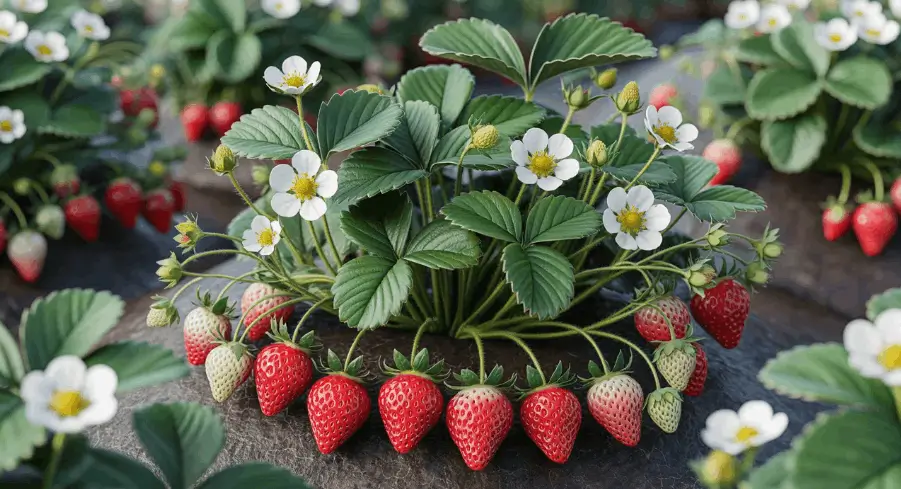
Albion strawberry plants are one of the best choices for gardeners who want large, sweet berries from compact container gardens. These everbearing strawberry plants are popular because they produce fruit for a long season, grow well in pots, and adapt beautifully to patios, balconies, and small outdoor spaces.
For beginners, growing strawberries in containers can feel overwhelming at first. Many gardeners struggle with poor fruit production, small berries, yellow leaves, or plants that stop producing after only a few weeks. The good news is that Albion strawberries are easier to manage than many other strawberry varieties when you understand their basic needs.
This guide explains everything you need to know about growing Albion strawberry plants successfully in containers, including planting, watering, feeding, sunlight, common problems, and seasonal care.
What Are Albion Strawberry Plants?
Albion strawberry plants are an everbearing strawberry variety known for:
- Large, firm berries
- Sweet flavor
- Long harvest season
- High productivity
- Strong disease resistance
- Excellent container performance
Unlike June-bearing strawberries that produce one large harvest, Albion strawberries continue producing fruit from spring through fall under good conditions.
Because of their compact growth habit, they are perfect for:
- Pots
- Hanging baskets
- Raised beds
- Balcony gardens
- Small patios
- Urban gardening spaces
Many beginner gardeners choose Albion strawberries because they are reliable and rewarding even in limited spaces.
Why Albion Strawberries Grow So Well in Containers
Compact Root System
Albion strawberry plants have relatively shallow roots compared to larger fruit crops. This makes them ideal for pots and containers.
They do not need deep soil to thrive, but they do need consistent moisture and nutrients.
Continuous Fruit Production
One of the biggest advantages of Albion strawberries is their long fruiting season. Instead of waiting for one harvest, you can enjoy berries over several months.
This is especially helpful for small-space gardeners who want continuous fresh fruit.
Easy Maintenance
Albion plants are easier to prune, feed, and protect from pests when grown in containers.
Container growing also helps reduce:
- Soil-borne diseases
- Weed competition
- Slug damage
- Poor drainage problems
Best Containers for Albion Strawberry Plants
Choosing the Right Pot Size
A common beginner mistake is using containers that are too small.
For healthy Albion strawberries:
- Use containers at least 8–12 inches deep
- Allow 10–12 inches of spacing per plant
- Ensure the pot has drainage holes
Larger containers retain moisture better and reduce watering stress during hot weather.
Best Container Materials
Several container types work well:
Plastic Pots
Advantages:
- Lightweight
- Hold moisture longer
- Affordable
Disadvantages:
- Can overheat in strong sun
Terracotta Pots
Advantages:
- Attractive appearance
- Good airflow
Disadvantages:
- Dry out quickly
Fabric Grow Bags
Advantages:
- Excellent drainage
- Good root aeration
- Prevent soggy soil
Disadvantages:
- Need more frequent watering
Best Soil for Albion Strawberry Plants
Ideal Soil Characteristics
Albion strawberries prefer soil that is:
- Loose
- Well-draining
- Rich in organic matter
- Slightly acidic
Heavy garden soil often causes root problems in containers.
Simple Potting Mix Recipe
A beginner-friendly mix includes:
- High-quality potting soil
- Compost
- Perlite or coarse sand
This combination improves drainage while still holding enough moisture for healthy berry production.
Avoid Compacted Soil
Compacted soil reduces oxygen around the roots and can lead to:
- Slow growth
- Yellow leaves
- Root rot
- Poor fruiting
Always refresh container soil regularly.
How Much Sunlight Do Albion Strawberries Need?
Albion strawberry plants need full sun for the best harvest.
Ideal Sunlight Requirements
Aim for:
- 6–8 hours of direct sunlight daily
More sunlight usually means:
- Sweeter berries
- Better flowering
- Higher yields
Signs of Insufficient Sunlight
If plants receive too little sun, you may notice:
- Small berries
- Few flowers
- Weak growth
- Pale leaves
- Slow ripening fruit
Balconies and patios with southern exposure usually work best.
How to Plant Albion Strawberry Plants in Containers
Step 1: Prepare the Container
Fill the container with quality potting mix, leaving space at the top for watering.
Step 2: Position the Plant Correctly
The crown of the strawberry plant should sit just above the soil line.
Planting too deep can cause crown rot.
Planting too shallow can dry out roots.
Step 3: Water Thoroughly
After planting:
- Water deeply
- Allow excess water to drain completely
Step 4: Add Mulch
A thin layer of straw or mulch helps:
- Retain moisture
- Keep berries clean
- Reduce temperature stress
Watering Albion Strawberry Plants Properly
Why Consistent Watering Matters
Albion strawberries are sensitive to irregular watering.
Inconsistent moisture can cause:
- Small fruit
- Bitter berries
- Poor production
- Wilting
- Cracked fruit
How Often Should You Water?
Container strawberries often need watering:
- Daily during hot weather
- Every few days during cooler conditions
Always check the soil first.
The top inch should feel slightly moist but not soggy.
Signs of Overwatering
Too much water can cause:
- Yellow leaves
- Mushy crowns
- Root rot
- Fungal issues
Containers must drain freely.
Fertilizing Albion Strawberry Plants
Why Strawberries Need Feeding
Because container soil loses nutrients quickly, Albion strawberries benefit from regular feeding.
Healthy nutrition supports:
- Flower production
- Fruit size
- Continuous harvests
- Strong foliage
Best Fertilizer Type
Use a balanced fertilizer designed for fruiting plants.
Slow-release fertilizers work well for beginners because they provide nutrients gradually.
How Often to Fertilize
Feed lightly every few weeks during active growth.
Avoid excessive nitrogen because it encourages leaf growth instead of berries.
How to Encourage More Strawberries
Remove Early Flowers
For newly planted strawberries, removing the first flowers can help plants establish stronger roots.
This leads to better production later.
Pick Ripe Fruit Regularly
Harvesting ripe berries encourages the plant to continue producing.
Do not leave overripe fruit on the plant.
Trim Excess Runners
Albion strawberries produce runners that create baby plants.
Too many runners reduce fruit production because energy shifts away from berries.
For better harvests:
- Remove most runners
- Keep only a few if you want new plants
Common Problems With Albion Strawberry Plants
Yellow Leaves
Possible causes include:
- Overwatering
- Nutrient deficiency
- Poor drainage
- Old leaves naturally aging
Solution:
- Improve drainage
- Adjust watering
- Feed lightly if needed
Small or Sour Berries
Usually caused by:
- Too little sunlight
- Underfeeding
- Inconsistent watering
Solution:
- Move containers to sunnier locations
- Water consistently
- Feed regularly
Wilting Plants
Wilting may happen because of:
- Dry soil
- Heat stress
- Root damage
Check soil moisture immediately.
Container plants dry out faster than garden beds.
Rotting Fruit
Fruit rot often occurs when berries sit on wet soil.
Prevention tips:
- Add mulch
- Improve airflow
- Remove damaged fruit quickly
Pests That Affect Container Strawberries
Even container-grown strawberries can attract pests.
Common Strawberry Pests
Aphids
These tiny insects feed on plant sap.
Signs include:
- Curled leaves
- Sticky residue
- Weak growth
Slugs
Slugs may eat ripe berries, especially in damp conditions.
Spider Mites
These pests become common during hot, dry weather.
Look for:
- Speckled leaves
- Fine webbing
Natural Prevention Tips
To reduce pest problems:
- Keep plants clean
- Remove dead leaves
- Improve airflow
- Avoid overcrowding
- Inspect plants regularly
Healthy plants resist pests better.
Seasonal Care for Albion Strawberry Plants
Spring Care
During spring:
- Refresh soil if needed
- Remove damaged leaves
- Begin regular feeding
- Check for new growth
Summer Care
Summer is peak fruiting season.
Focus on:
- Frequent watering
- Harvesting ripe berries
- Monitoring heat stress
In extreme heat, afternoon shade can protect plants.
Fall Care
As temperatures cool:
- Reduce fertilizer
- Continue harvesting
- Remove weak growth
Winter Protection
Albion strawberries can survive winter with protection.
For container plants:
- Move pots to sheltered areas
- Protect roots from freezing temperatures
- Water lightly during dry winter periods
How Long Do Albion Strawberry Plants Last?
Most strawberry plants produce best for 2–3 years.
After that:
- Berry size may decrease
- Production slows down
Many gardeners replace older plants using healthy runners from existing plants.
This keeps container strawberry gardens productive year after year.
Growing Albion Strawberries Indoors
Albion strawberries can grow indoors if they receive enough light.
Indoor Growing Requirements
You will need:
- Bright sunlight near a window
- Good airflow
- Proper drainage
- Consistent watering
Grow lights may help during darker seasons.
Indoor strawberries often produce fewer berries than outdoor plants but can still be rewarding.
Are Albion Strawberry Plants Good for Beginners?
Yes — Albion strawberries are one of the best beginner-friendly strawberry varieties for container gardening.
They are ideal because they:
- Produce fruit over a long season
- Adapt well to pots
- Stay relatively compact
- Offer sweet, high-quality berries
- Respond well to simple care routines
Even small balconies or patios can produce impressive harvests with proper care.
Beginner Mistakes to Avoid
Using Tiny Containers
Small pots dry out too quickly and restrict root growth.
Overwatering
Soggy soil causes root problems fast.
Too Little Sunlight
Without enough sun, fruit production drops dramatically.
Ignoring Runners
Too many runners weaken the main plant.
Skipping Fertilizer
Container strawberries need regular nutrients.
Conclusion
Albion strawberry plants are an excellent choice for anyone interested in container fruit gardening. Their long harvest season, sweet berries, and compact growth make them perfect for patios, balconies, and small-space gardens.
Success with Albion strawberries comes down to a few simple habits:
- Use well-draining soil
- Provide full sun
- Water consistently
- Feed regularly
- Remove excess runners
- Protect plants from extreme conditions
With proper care, even beginners can enjoy continuous harvests of fresh strawberries for months from just a few containers.
Whether you are starting your first container fruit garden or expanding a small growing space, Albion strawberry plants are one of the most rewarding fruits you can grow at home.