
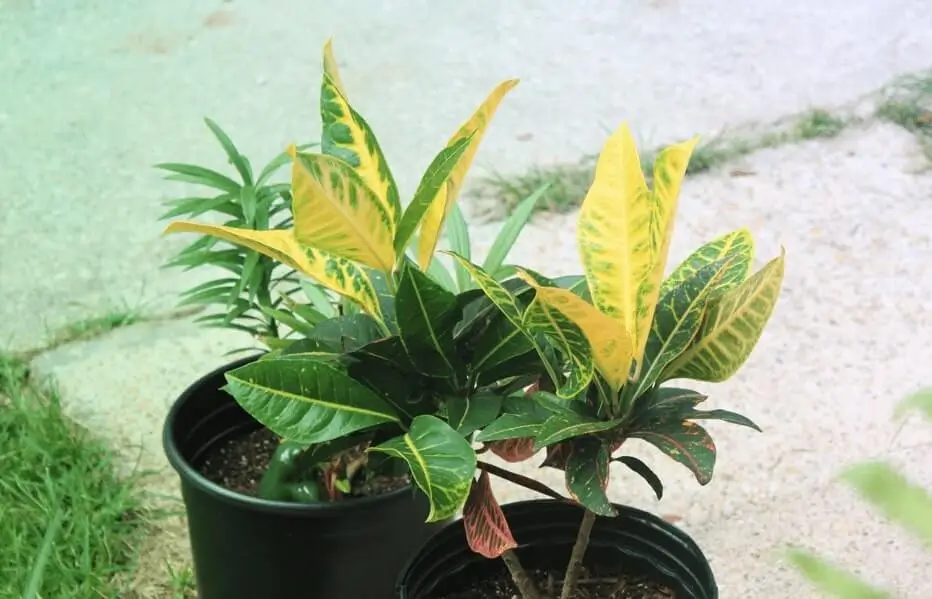
Growing fruit trees in containers can be incredibly rewarding, but it also comes with unique challenges—especially when it comes to nutrient deficiencies. Unlike trees planted in the ground, potted fruit trees rely entirely on the limited soil in their containers for essential nutrients. Over time, these nutrients can become depleted, leading to visible symptoms like yellowing leaves, stunted growth, and poor fruit production. Understanding the causes and recognizing early warning signs is key to restoring your tree’s health. In this guide, you’ll discover the most common nutrient deficiencies in potted fruit trees and practical, proven solutions to help your plants thrive again.
Why Nutrient Deficiency Matters in Container Fruit Gardening
Container fruit trees live in a closed ecosystem. Unlike trees planted in the ground, they cannot send roots deeper or wider to search for missing nutrients. Once nutrients are depleted or locked up, the tree begins to show stress quickly.
Unique Challenges of Containers
- Limited soil volume means nutrients run out faster
- Frequent watering washes nutrients out of pots
- Poor soil mixes can block nutrient absorption
- pH imbalances prevent roots from accessing available minerals
If left uncorrected, nutrient deficiency in potted fruit trees leads to:
- Weak growth and pale leaves
- Flower and fruit drop
- Small, tasteless fruit
- Increased pest and disease problems
If you’re also dealing with watering challenges, this often overlaps with nutrition issues—especially in small pots. Our guide on watering problems in small pots explains how water stress can worsen nutrient deficiencies.
How to Identify Nutrient Deficiency in Potted Fruit Trees
Before fixing anything, you must correctly identify the problem. Many gardeners confuse nutrient deficiencies with pests, disease, or overwatering.
Most Common Nutrient Deficiencies (and Their Symptoms)
Nitrogen (N) Deficiency
- Pale green or yellow leaves
- Slow growth
- Older leaves affected first
Nitrogen deficiency is very common in containers due to frequent watering. If your tree looks weak overall, nitrogen is often the first nutrient to check.
Iron (Fe) Deficiency
- Yellow leaves with green veins
- New growth affected first
- Very common in citrus trees
Iron deficiency is often caused by high soil pH, not a lack of iron itself.
Magnesium (Mg) Deficiency
- Yellowing between veins on older leaves
- Leaf edges may curl upward
- Common in citrus and figs
Potassium (K) Deficiency
- Brown or scorched leaf edges
- Weak stems
- Poor fruit quality
Step-by-Step: How to Fix Nutrient Deficiency in Potted Fruit Trees
Correcting nutrient deficiency isn’t about dumping more fertilizer into the pot. It’s about restoring balance and availability.
Step 1: Check the Pot and Drainage
If your container is too small or poorly drained, nutrients won’t stay available.
- Ensure pots have multiple drainage holes
- Avoid decorative pots without drainage
- Upgrade to a larger container if roots are circling
Root-bound trees struggle to absorb nutrients even when fertilizer is present. If your tree dries out too fast, it may also suffer from poor water absorption, which directly impacts nutrient uptake.
Step 2: Use the Right Soil Mix
Garden soil alone is a major cause of nutrient problems in containers.
A good fruit tree potting mix should include:
- High-quality compost
- Coco coir or peat moss (for moisture retention)
- Perlite or pumice (for aeration)
If your soil becomes hard, crusted, or water runs straight through, nutrients are likely leaching out. You’ll find helpful soil improvement techniques in our article on fixing poor water absorption in container soil.
Step 3: Apply the Correct Fertilizer (Less Is More)
Overfertilizing causes more damage than underfeeding.
Best Fertilizer Types for Potted Fruit Trees
- Slow-release organic fertilizers for steady feeding
- Liquid fertilizers for quick correction
- Chelated iron for iron deficiency
Apply fertilizer during active growth (spring and summer), and reduce feeding in fall and winter.
If your tree shows sudden stress after fertilizing, flush the soil thoroughly with water to remove excess salts.
Step 4: Balance Soil pH
Many nutrient deficiencies—especially iron—are caused by incorrect pH.
- Citrus prefers slightly acidic soil (pH 6–6.5)
- Stone fruits tolerate neutral soil better
Use a simple soil pH meter or test kit. If pH is too high, nutrients become chemically unavailable even if they are present in the soil.
Step 5: Improve Watering Habits
Watering mistakes directly cause nutrient issues.
- Water deeply until excess drains out
- Avoid light, frequent watering
- Never let pots sit in standing water
Wind, heat, and sun exposure also increase nutrient loss. During hot weather, follow the strategies in our guide on protecting potted fruit trees from drought stress to avoid nutrient washout.
Common Beginner Mistakes That Cause Nutrient Deficiency
Even motivated gardeners make these mistakes early on:
1. Using Only Liquid Fertilizer
Liquid feeds act fast but don’t last long. Without a slow-release base, deficiencies return quickly.
2. Fertilizing a Dry Root Ball
Dry soil repels water and nutrients. Always water lightly before feeding.
3. Ignoring Micronutrients
Nitrogen alone isn’t enough. Fruit trees need iron, magnesium, zinc, and manganese.
4. Keeping Trees Root-Bound
Small pots = fast nutrient depletion. Upsize containers as trees grow.
Tools, Containers, and Care Tips for Long-Term Success
Essential Tools
- Soil pH tester
- Moisture meter
- Measuring scoop for fertilizer
Best Container Practices
- Choose light-colored pots to reduce heat stress
- Use containers at least 40–60 cm wide for dwarf trees
- Elevate pots slightly to improve drainage
Seasonal Feeding Schedule (Simple)
- Spring: Slow-release fertilizer + compost
- Summer: Light liquid feeding if needed
- Fall: Reduce feeding
- Winter: No fertilizer (most trees dormant)
FAQ: Nutrient Deficiency in Potted Fruit Trees
Why do my potted fruit trees turn yellow even after fertilizing?
This usually means nutrients are locked up due to high pH or poor root health, not a lack of fertilizer.
Can I use garden compost alone in pots?
No. Compost is excellent, but it must be mixed with drainage and aeration materials to prevent nutrient loss and root suffocation.
How fast do nutrient deficiencies show in containers?
Much faster than in-ground trees—sometimes within weeks—because pots hold limited reserves.
Is leaf spraying effective for nutrient deficiency?
Foliar sprays can help short-term, especially for iron or magnesium, but they do not replace soil feeding.
Should I fertilize more if my tree isn’t fruiting?
Not always. Excess nitrogen can cause leafy growth at the expense of fruit. Balance is key.
Conclusion: Restore Balance, Don’t Overcorrect
Nutrient deficiency in potted fruit trees is not a failure—it’s a signal. Your tree is telling you something is out of balance. By improving soil structure, using the right fertilizers, managing watering, and monitoring pH, you can correct deficiencies safely and prevent them from returning.
Practical Next Steps
- Inspect your soil and pot size
- Identify deficiency symptoms correctly
- Apply slow, balanced nutrition
- Adjust watering and pH
- Monitor growth over the next 2–4 weeks
With these steps, your container fruit trees will reward you with stronger growth, healthier leaves, and better harvests—no matter how small your space is.