
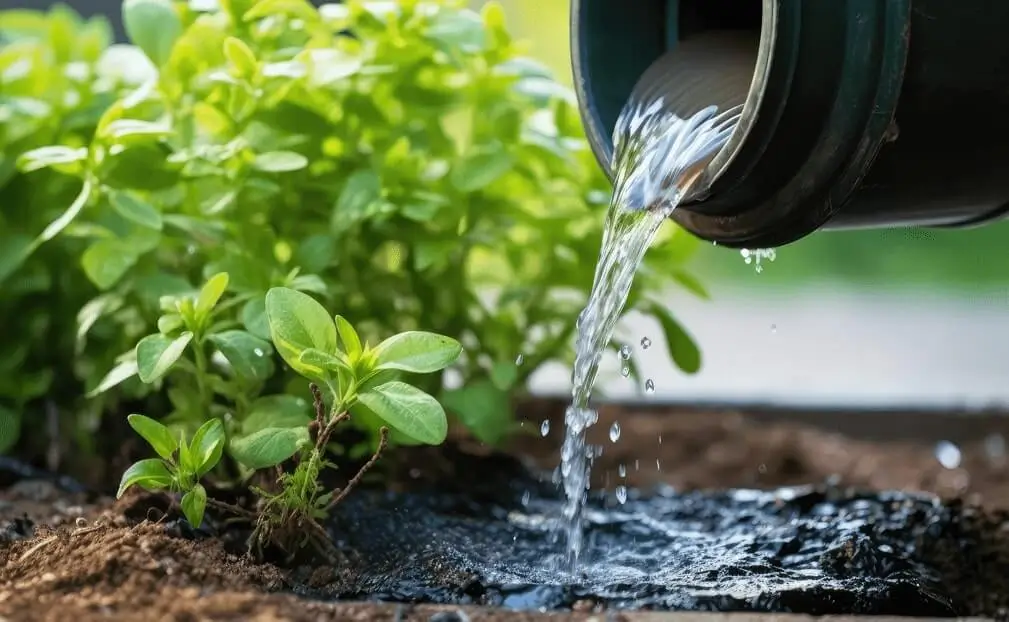
When soil holds too much water, it creates a suffocating environment for your fruit trees, leading to weak roots, poor growth, and even root rot. In container gardening, this problem is especially common due to limited drainage and improper soil mixes. Understanding why your soil stays soggy—and how to fix it—can help you restore healthy conditions and keep your fruit plants thriving.
Why Soil Holding Too Much Water Is a Serious Problem for Container Fruit Trees
Container fruit gardening is very different from growing in the ground. When soil holds too much water in a pot, there’s nowhere for excess moisture to escape.
Root Suffocation and Oxygen Loss
Healthy roots need oxygen as much as water. When soil stays constantly wet:
- Air pockets collapse
- Roots can’t breathe
- Root tips die back first
This often looks like nutrient deficiency, even when fertilizer is present.
Root Rot and Fungal Diseases
Waterlogged soil creates ideal conditions for root rot pathogens. Once rot starts, it spreads quickly in containers because roots are confined and constantly damp.
If you’ve already struggled with decaying roots or sour-smelling soil, you may find it helpful to read about root problems caused by old potting mixes in containers, which often worsen drainage over time.
Poor Nutrient Uptake
Even nutrient-rich soil becomes useless when it’s too wet. Minerals leach out, beneficial microbes decline, and roots lose the ability to absorb what’s left. This is why soggy soil and yellow leaves often go hand in hand.
How to Tell If Your Soil Is Holding Too Much Water
Before fixing the problem, confirm it. Common signs include:
- Soil surface stays wet for days after watering
- Green algae or moss forming on topsoil
- Fungus gnats hovering around the pot
- Leaves turning yellow despite proper feeding
- Slow growth or sudden leaf drop
- A sour or rotten smell from the pot
Simple Drainage Test
Water your container thoroughly. If water doesn’t drain freely from the bottom within 30–60 seconds, your soil is holding too much water.
Common Reasons Soil Holds Too Much Water in Containers
1. Wrong Potting Mix
Garden soil or cheap peat-heavy mixes compact easily and trap water. Over time, they collapse further, worsening drainage.
This problem is closely related to soil compaction in containers, which reduces airflow and increases water retention.
2. No or Blocked Drainage Holes
A beautiful pot without drainage is a hidden trap. Even with holes, they can clog with roots or fine particles.
3. Oversized Containers
Large pots filled with dense soil stay wet longer because roots don’t use water fast enough.
4. Reusing Old Soil Without Fixing It
Old potting soil breaks down into fine particles that act like a sponge. If you regularly reuse soil, you may want to learn how reused potting soil affects drainage and root health before planting again.
Step-by-Step Solutions to Fix Soil Holding Too Much Water
Step 1: Improve the Soil Structure Immediately
If repotting is possible, this is the best solution.
Ideal container fruit tree mix:
- 40–50% high-quality potting mix
- 25–30% perlite or pumice
- 20–30% compost or aged bark
This combination:
- Creates air pockets
- Drains excess water quickly
- Retains just enough moisture for roots
Avoid adding sand—it often worsens drainage in containers.
Step 2: Fix Drainage Holes the Right Way
- Ensure at least 3–5 holes at the bottom
- Clear blocked holes with a stick or wire
- Elevate pots slightly using pot feet or bricks
Do not add gravel at the bottom—it creates a perched water table that keeps roots wetter.
Step 3: Adjust Your Watering Method
When soil holds too much water, watering habits matter even more.
Best practices:
- Water deeply but less often
- Always check soil moisture 2–3 inches below the surface
- Water only when the top layer starts to dry
Overwatering combined with poor drainage often leads to fertilizer-related issues. If you’ve seen burned leaf edges, you may want to review how excess moisture contributes to fertilizer burn in containers.
Step 4: Choose the Right Container Material
Container type affects moisture retention more than most beginners realize.
| Container Type | Water Retention |
|---|---|
| Plastic | High |
| Ceramic (glazed) | Medium–High |
| Fabric grow bags | Low–Ideal |
| Terracotta | Low |
Fabric pots and terracotta are excellent for preventing soggy soil in humid or rainy climates.
Preventing Waterlogged Soil in the Future
Use Fresh, Well-Draining Mix Every Season
Even good soil degrades. Refresh or replace potting mix every 12–18 months for fruit trees.
Match Pot Size to Root Mass
Bigger is not always better. A slightly snug pot encourages faster water use and healthier roots.
Improve Airflow Around Pots
Good airflow helps evaporation and reduces fungal growth, especially on balconies or patios.
Common Beginner Mistakes That Make Soil Stay Too Wet
- Using garden soil in containers
- Adding stones at the bottom of pots
- Watering on a schedule instead of checking soil
- Reusing compacted soil without amendments
- Choosing decorative pots without drainage
- Assuming yellow leaves always mean more water is needed
Helpful Tools and Supplies for Better Drainage
- Perlite or pumice
- Fabric grow bags
- Moisture meter (as a guide, not a rule)
- Pot feet or risers
- High-quality potting mix designed for containers
Investing in the right materials early prevents long-term plant stress and loss.
FAQ: Soil Holding Too Much Water in Containers
Why does my soil stay wet even when I don’t water often?
Dense or compacted soil retains moisture longer than roots can use it, especially in cool or shaded areas.
Can soggy soil recover, or do I need to repot?
Mild cases may improve with reduced watering and better airflow. Severe waterlogging usually requires repotting.
Is it okay to mix sand into potting soil?
No. Sand often fills air gaps and makes drainage worse in containers.
How long should soil stay moist after watering?
For container fruit trees, soil should start drying within 24–48 hours, depending on weather.
Do fruit trees like constantly moist soil?
No. Fruit trees prefer moist but airy soil, never constantly wet roots.
Conclusion: Fix Soggy Soil and Help Your Fruit Trees Thrive
Soil holding too much water is a silent killer in container fruit gardening, but it’s also one of the most fixable problems. By improving soil structure, ensuring proper drainage, choosing the right container, and adjusting watering habits, you can restore root health and boost growth quickly. Start by checking your drainage today, refresh your potting mix if needed, and observe how your plants respond. Healthy roots mean stronger trees, better fruiting, and far fewer problems down the line. Take action now, and your container fruit garden will reward you for seasons to come.