
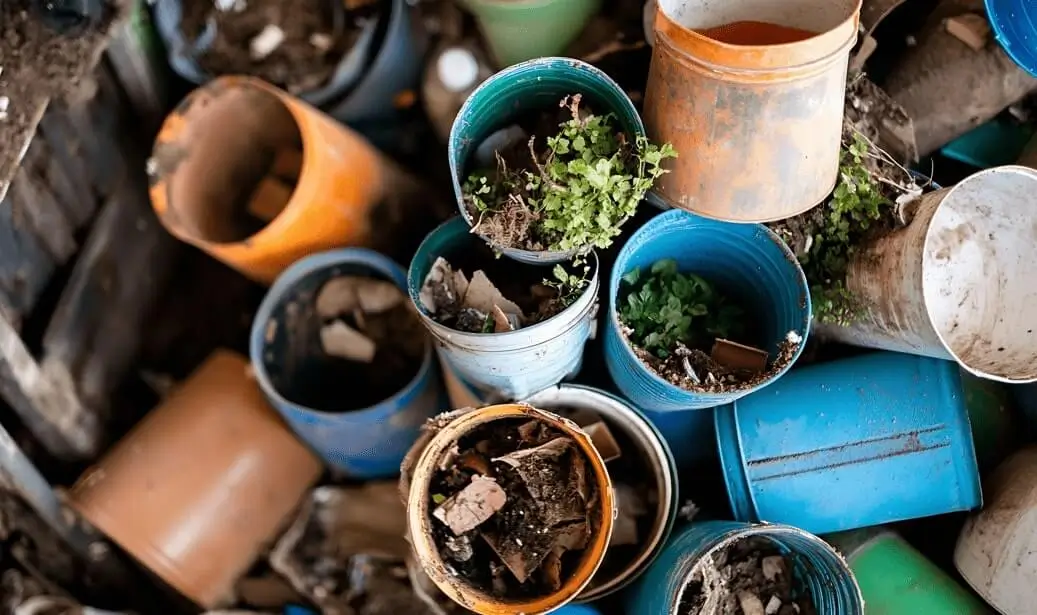
Compost is often seen as a miracle ingredient for plant growth, but when used incorrectly in containers, it can create serious problems for fruit plants. From poor drainage and nutrient imbalance to root stress and unpleasant odors, compost-heavy mixes can do more harm than good. Understanding how compost behaves in pots—and how to correct common issues—can help you restore balance and grow strong, productive container fruit plants.
Why Compost Causing Problems in Pots Matters for Container Fruit Gardening
In-ground soil has a natural ecosystem that buffers mistakes. Containers don’t.
When compost causes problems in pots, the impact is amplified because:
- Water has nowhere to escape except through drainage holes
- Nutrients accumulate faster
- Organic matter breaks down differently
- Roots are confined and more sensitive
Fruit plants—especially citrus, figs, berries, and dwarf fruit trees—need oxygen, stable moisture, and balanced nutrition. Compost-heavy mixes often fail in one or more of these areas.
If you’ve already dealt with soil holding too much water in containers, compost is often the hidden culprit behind the issue. In pots, compost isn’t just a soil improver—it becomes a major structural component, and that changes everything.
How Compost Causes Problems in Pots (The Real Reasons)
1. Compost Retains Too Much Water in Containers
Compost is designed to hold moisture—and that’s great in garden beds. In pots, however, too much compost leads to:
- Constantly wet soil
- Oxygen-starved roots
- Root rot and fungal diseases
This problem is even worse in plastic or glazed pots with limited airflow. If your container soil stays wet days after watering, compost content is likely too high.
👉 This often overlaps with issues explained in why container soil dries unevenly or stays soggy, a common frustration for beginners.
2. Compost Breaks Down and Compacts Over Time
Unlike mineral components (sand, perlite, pumice), compost continues decomposing. In containers, this leads to:
- Soil compaction
- Reduced air pockets
- Poor root expansion
As compost collapses, roots struggle to breathe. This is a major reason for poor root growth in potted fruit plants, even when watering and fertilizing seem correct.
3. Compost Can Create Nutrient Imbalances
Many gardeners assume compost equals “gentle nutrition.” In reality:
- Some composts are very high in nitrogen
- Others release nutrients unevenly
- Salts can build up in containers
This can result in lush leaves but no fruit—or leaf burn and nutrient lockout. If you’ve noticed strange leaf symptoms, compost may be contributing to nutrient problems in container-grown fruit trees.
4. Compost Can Shift Soil pH Too Much
Depending on its source, compost may:
- Raise soil pH (especially manure-based compost)
- Lower soil pH (unfinished or acidic compost)
In containers, these changes happen faster and affect roots more severely. This links closely to problems with incorrect soil pH in pots, which can block nutrient uptake even when nutrients are present.
Signs Compost Is Causing Problems in Your Pots
Watch for these early warning signs:
- Soil stays wet for several days
- Sour or swampy smell from the pot
- Yellowing leaves despite regular feeding
- Slow growth or weak new shoots
- White salt crust on soil surface
- Roots circling the pot but poorly branched
If you see multiple symptoms at once, compost is very likely part of the problem.
Step-by-Step Solutions to Fix Compost Problems in Pots
Step 1: Reduce Compost to the Right Percentage
For container fruit gardening:
- Maximum compost content: 20–30%
- Never use 100% compost in pots
A healthy container mix should be mostly structural, not organic.
Ideal base mix:
- 40–50% high-quality potting mix or coco coir
- 20–30% compost
- 20–30% aeration material (perlite, pumice, bark)
This structure prevents the waterlogging issues that compost often causes in pots.
Step 2: Improve Drainage Immediately
If compost is already causing problems:
- Add extra drainage holes if possible
- Elevate pots so water can escape freely
- Avoid gravel layers (they don’t improve drainage in containers)
For severe cases, repotting is the only real solution.
Step 3: Repot Using a Balanced Container Mix
When repotting:
- Remove as much compost-heavy soil as possible
- Trim rotten or blackened roots
- Replant using a lighter, well-aerated mix
- Water thoroughly once, then allow partial drying
This is especially important if compost has contributed to roots failing to develop properly in containers.
Step 4: Adjust Watering Habits
Compost-heavy pots need:
- Less frequent watering
- Deeper drying between waterings
Always test moisture 2–3 inches below the surface. Compost often looks dry on top while remaining soaked underneath.
Step 5: Rethink Fertilizing
If compost is causing nutrient overload:
- Pause fertilizing for 2–4 weeks
- Flush the pot with clean water once a month
- Resume feeding with diluted liquid fertilizer
This helps reset nutrient balance without stressing the plant.
Choosing the Right Compost for Containers (Not All Compost Is Equal)
Best Compost Types for Pots
- Mature, fully finished compost
- Fine-textured compost (screened)
- Plant-based compost over manure-based
Compost Types to Avoid in Containers
- Fresh or unfinished compost
- Heavy manure compost
- Garden soil mixed with compost
Using the wrong compost is a major reason beginners struggle with container soil problems that seem impossible to fix.
Common Beginner Mistakes with Compost in Pots
❌ Using Compost as the Main Soil
Compost is a supplement—not a full growing medium.
❌ Adding More Compost to “Fix” Poor Growth
This often worsens water and nutrient issues.
❌ Reusing Old Compost-Heavy Soil
Decomposed compost loses structure and must be refreshed.
❌ Ignoring Pot Size
Small pots with compost-heavy mixes fail faster due to limited airflow.
Tools, Containers, and Care Tips That Prevent Compost Problems
Recommended Containers
- Fabric grow bags (excellent airflow)
- Unglazed terracotta pots
- Pots with multiple drainage holes
Helpful Tools
- Soil moisture meter
- pH test kit
- Hand fork for surface aeration
Ongoing Care Tips
- Top-dress lightly with compost instead of mixing deeply
- Refresh potting mix annually
- Rotate pots to prevent uneven drying
These small habits prevent compost-related issues before they start.
FAQ: Compost Causing Problems in Pots
Is compost bad for container plants?
No—but too much compost in pots causes drainage, nutrient, and root problems. Balance is key.
Can I use 100% compost in pots?
No. Pure compost compacts, holds excess water, and breaks down too quickly in containers.
How much compost should I use in container fruit gardening?
Limit compost to 20–30% of the total potting mix.
Why does compost smell bad in pots?
A sour smell indicates anaerobic conditions caused by excess moisture and poor airflow.
Should I remove compost if my plant is struggling?
If symptoms are severe, repotting into a lighter mix is often the best solution.
Conclusion: Use Compost Wisely for Thriving Potted Fruit Plants
Compost is powerful—but in containers, more is not better. When compost causes problems in pots, the root issue is almost always imbalance: too much moisture, too little air, or uncontrolled nutrients. By reducing compost content, improving drainage, and choosing the right potting mix, you can turn struggling plants into productive, healthy fruit growers.
Next steps:
Check your current pots today. If compost dominates the mix, plan a gradual correction or repot during the next growing window. With the right balance, compost becomes a benefit—not a burden—in container fruit gardening.