
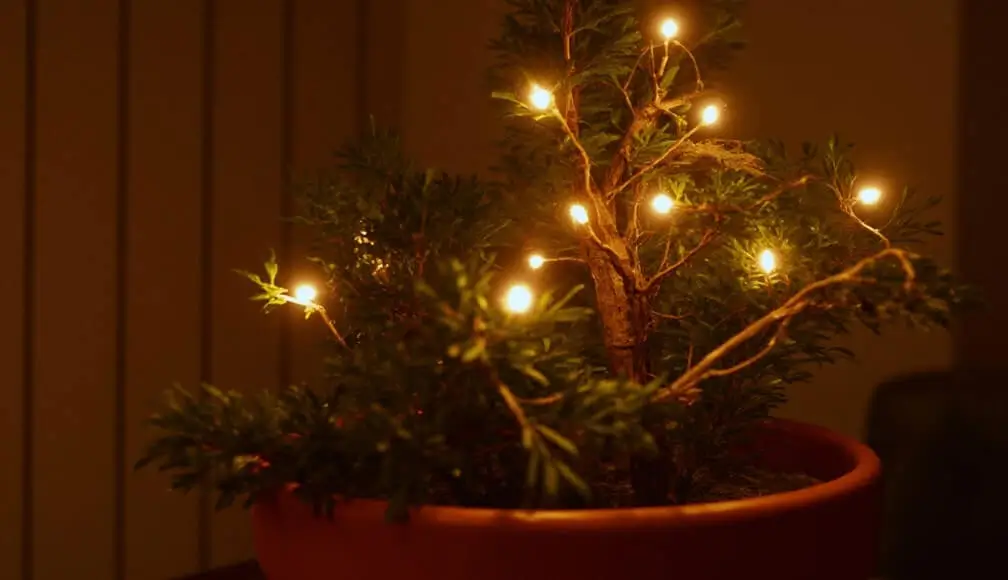
Growing fruit trees indoors or in low-light spaces often requires artificial lighting, but not all light setups support healthy growth. Inadequate intensity, poor light spectrum, or incorrect exposure timing can lead to weak development, poor flowering, and reduced fruit production. Understanding how artificial light affects fruit trees—and how to optimize it—can make the difference between struggling plants and thriving container harvests.
Why Artificial Light Problems Matter for Container Fruit Gardening
Container fruit trees rely entirely on you to meet their needs. Unlike garden-grown trees, they can’t stretch roots deeper or chase sunlight across the sky. When artificial light is misused, the tree has no backup plan.
Artificial light problems for fruit trees affect:
- Photosynthesis efficiency – Too little or poor-quality light limits sugar production
- Growth structure – Weak light causes tall, spindly branches
- Flowering and fruiting – Inadequate light delays blooms and reduces yields
- Stress tolerance – Poor lighting makes trees more vulnerable to pests and disease
This is especially important if you’re already growing in challenging conditions like hot climates, cold regions, or windy balconies. If you’re also managing temperature stress, poor lighting can compound the damage. For example, many gardeners dealing with extreme sun outdoors move trees inside—only to face new lighting issues. If that sounds familiar, our guide on protecting fruit trees in hot climates can help you balance indoor and outdoor growing decisions.
Understanding Artificial Light Problems for Fruit Trees
Before fixing the problem, it helps to understand what’s actually going wrong. Artificial light problems usually fall into four main categories.
1. Not Enough Light Intensity
Fruit trees need much more light than leafy houseplants. A desk lamp or decorative grow bulb is not enough.
Symptoms:
- Slow or stalled growth
- Long gaps between leaves (leggy growth)
- Small, pale, or yellowing leaves
2. Wrong Light Spectrum
Plants use specific wavelengths—mainly blue and red light—for growth and flowering.
Common mistakes:
- Using standard household LED bulbs
- Using “warm white” lights only
- Avoiding full-spectrum grow lights
3. Incorrect Light Distance
Grow lights placed too far away lose strength rapidly. Too close, and they can scorch leaves.
Symptoms:
- Burnt leaf tips (too close)
- Stretching branches (too far)
4. Inconsistent Light Schedule
Fruit trees thrive on routine. Irregular lighting confuses their growth cycles.
Symptoms:
- Dropping flowers
- Delayed fruit development
- Weak seasonal growth
Step-by-Step Solutions to Artificial Light Problems for Fruit Trees
Step 1: Choose the Right Grow Light
For fruit trees, full-spectrum LED grow lights are the most practical option.
What to look for:
- Full-spectrum (not blurple-only unless supplemental)
- Minimum 30–40 watts per small tree
- High PPFD output (not just lumens)
Avoid cheap “plant lights” designed for herbs. Fruit trees like citrus, figs, and dwarf apples demand stronger output.
Step 2: Set the Correct Light Distance
Distance depends on light strength, but a general rule:
- Small trees: 12–18 inches (30–45 cm)
- Medium container trees: 18–24 inches (45–60 cm)
Adjust gradually. Watch leaf color and growth response for 7–10 days before changing again.
Step 3: Provide Enough Daily Light Hours
Fruit trees under artificial light need 12–16 hours per day.
- Use a timer for consistency
- Avoid running lights 24/7 (causes stress)
- Mimic seasonal changes if possible
This is especially important if your tree already suffered stress from cold or frost. If you’ve dealt with sudden temperature drops indoors or outdoors, pairing proper lighting with stable temperatures is crucial. Our article on sudden temperature changes and fruit tree stress explains why consistency matters.
Step 4: Rotate the Tree Weekly
Artificial light usually comes from one direction.
- Rotate the pot ¼ turn every week
- Prevents leaning and uneven canopy growth
This simple habit dramatically improves structure over time.
Common Artificial Light Mistakes Beginners Make
Mistake 1: Treating Fruit Trees Like Houseplants
Fruit trees are high-light crops, even when dwarf or young. A setup that works for pothos or basil will fail for citrus or figs.
Mistake 2: Ignoring Natural Light Completely
Artificial light works best as supplemental lighting, not a total replacement.
If possible:
- Place trees near a bright window
- Use grow lights to extend daylight, not replace it
Mistake 3: Overheating the Tree
Some older grow lights produce excess heat.
- Check leaf temperature by touch
- Ensure airflow around the canopy
- Avoid enclosed, unventilated corners
Heat stress combined with artificial lighting often leads to leaf drop—similar to what happens during wind damage or exposure stress on balconies.
Mistake 4: Expecting Heavy Fruiting Indoors
Artificial light can support healthy growth, but fruiting indoors is more challenging.
Realistic expectations:
- Focus on vegetative health indoors
- Encourage flowering and fruiting during outdoor seasons
Supporting Factors: Soil, Containers, and Care Tips
Artificial light problems for fruit trees often worsen when other basics are neglected.
Use the Right Container Size
- Too-small pots restrict root growth
- Roots affect nutrient uptake and light response
If your tree shows stress despite good lighting, root confinement may be the hidden issue. Our guide on choosing the right pot size for container fruit trees explains how to avoid this common trap.
Optimize Soil for Indoor Conditions
Indoor soils dry differently than outdoor ones.
Best practices:
- Well-draining, airy potting mix
- Avoid heavy garden soil
- Check moisture weekly (not daily)
Adjust Feeding Carefully
Under artificial light:
- Growth is slower than full sun
- Over-fertilizing causes weak, leafy growth
Use diluted fertilizer and feed less frequently during winter or low-light months.
FAQ: Artificial Light Problems for Fruit Trees
Can fruit trees survive on artificial light alone?
Yes, for limited periods. However, most fruit trees grow best when artificial light supplements natural sunlight, especially during active growth seasons.
How many hours of artificial light do fruit trees need?
Most container fruit trees need 12–16 hours per day under artificial lighting for healthy growth.
Why is my fruit tree growing tall but weak indoors?
This is a classic sign of insufficient light intensity or lights placed too far away.
Are LED grow lights safe for fruit trees?
Yes. Full-spectrum LED grow lights are efficient, cool-running, and ideal for indoor fruit tree setups.
Should I use grow lights in winter only?
Grow lights are most useful in winter or low-light homes, but they can also extend daylight in early spring or fall.
Conclusion: Fix Artificial Light Problems Before They Limit Your Harvest
Artificial light problems for fruit trees are common—but they’re also fixable. Most issues come down to light strength, spectrum, distance, and consistency. By choosing proper grow lights, setting a reliable schedule, and supporting your tree with the right soil and container, you can turn weak indoor growth into strong, healthy development.
Next steps:
- Upgrade to a full-spectrum grow light
- Measure and adjust light distance
- Use a timer for consistent daily lighting
- Monitor growth weekly and adjust gradually
With the right setup, artificial lighting becomes a powerful tool—not a limitation—for successful container fruit gardening in small spaces.