
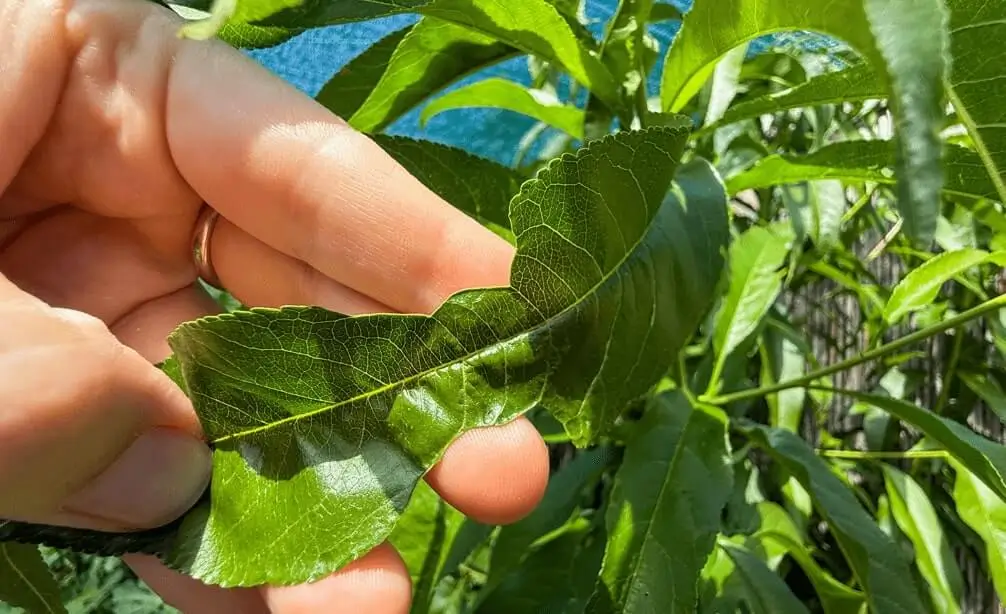
Sticky leaves on fruit trees are a common issue for container gardeners, and while they may seem harmless at first, they often signal underlying pest problems or plant stress. This sticky substance—commonly known as honeydew—is usually produced by sap-sucking insects and can lead to further complications like mold growth and reduced plant health. Understanding the causes and taking quick action can help you protect your fruit trees and ensure healthy, productive growth.
Why Sticky Leaves on Fruit Trees Matter in Container Gardening
When fruit trees are grown in containers, they live in a more controlled—but also more fragile—environment. Sticky leaves are more than a surface issue; they are often an early warning sign.
Here’s why this problem matters more for potted fruit trees than in-ground trees:
- Faster pest spread: In small spaces, insects like aphids can multiply quickly.
- Weaker stress tolerance: Container trees have limited root space and nutrients.
- Higher disease risk: Sticky residue encourages sooty mold, reducing photosynthesis.
- Ant infestations: Ants are drawn to sticky leaves and protect pests in exchange for sugar.
Left untreated, sticky leaves on fruit trees can lead to yellowing foliage, stunted growth, flower drop, and poor fruit development—especially in citrus, fig, apple, peach, and dwarf stone fruit trees.
What Causes Sticky Leaves on Fruit Trees?
Honeydew: The Real Reason Leaves Feel Sticky
In almost all cases, sticky leaves are caused by honeydew, a sugary liquid secreted by sap-sucking insects. The stickiness is not coming from the plant itself.
The most common culprits include:
- Aphids
- Scale insects
- Mealybugs
- Whiteflies
These pests feed on plant sap and excrete excess sugar, coating leaves, stems, and even the soil surface.
How to Identify the Exact Pest
Check your tree closely:
- Look under leaves (especially new growth)
- Inspect leaf joints and stems
- Check for ants crawling up the pot
If you notice ants, that’s a strong sign of honeydew-producing pests. Ants often protect aphids and scale—this relationship makes sticky leaves worse if ants aren’t controlled. If this sounds familiar, see our guide on ants invading fruit tree containers for targeted solutions.
Step-by-Step Solutions to Fix Sticky Leaves on Fruit Trees
Step 1: Wash the Leaves Immediately
Before treating pests, remove the sticky residue:
- Use a strong spray of water (garden hose or shower)
- Rinse both sides of leaves and stems
- Do this early in the morning
This reduces pest numbers instantly and prevents sooty mold from developing.
Step 2: Remove Visible Pests by Hand
For light infestations:
- Wipe insects off with a damp cloth
- Use cotton swabs dipped in rubbing alcohol for scale or mealybugs
- Prune heavily infested shoots (especially in young trees)
Dispose of removed material away from your garden area.
Step 3: Apply a Safe Organic Treatment
For container fruit trees, gentle but effective treatments work best.
Best options include:
- Insecticidal soap (ready-to-use or diluted concentrate)
- Neem oil (use in the evening to avoid leaf burn)
- Homemade soap spray (only pure soap, no detergents)
Spray thoroughly:
- Undersides of leaves
- Stems and leaf joints
- Repeat every 5–7 days until pests are gone
If sticky residue returns quickly, pests are still present.
Step 4: Control Ants (Critical Step)
If ants are present, pest control will fail unless ants are stopped.
- Apply sticky barriers around the trunk
- Elevate pots and add ant traps below
- Keep pots clean and free of spilled fertilizer
Learn more in our detailed article on how ants damage potted fruit trees and how to stop them safely.
Step 5: Improve Tree Health to Prevent Reinfestation
Healthy trees resist pests better.
- Avoid excess nitrogen (causes soft, pest-prone growth)
- Ensure good airflow between plants
- Water deeply but allow proper drainage
If your soil stays damp or smells musty, read our guide on mold and fungal growth in fruit tree soil to correct moisture issues that stress trees.
Common Mistakes Beginners Make with Sticky Leaves
Overusing Chemical Sprays
Harsh pesticides:
- Kill beneficial insects
- Stress container-grown trees
- Often worsen pest rebound
Organic treatments are safer and more effective long-term.
Ignoring Early Signs
Sticky leaves rarely appear overnight. Early clues include:
- Curling new leaves
- Ant activity
- Shiny spots on lower foliage
Treat early for faster recovery.
Treating Only Once
Most pests require multiple treatments. One spray rarely solves the issue permanently.
Focusing Only on Leaves
Many pests hide:
- On stems
- At soil level
- In cracks of the container
Inspect the entire plant, not just foliage.
Container Care Tips to Prevent Sticky Leaves on Fruit Trees
Choose the Right Pot and Soil
- Use breathable containers with drainage holes
- Avoid compacted soil
- Refresh topsoil annually
Poor soil health weakens roots, making trees more vulnerable. If you suspect root problems, check our article on root diseases in potted fruit trees.
Prune for Airflow and Light
- Remove crowded branches
- Thin dense growth
- Focus on opening the center of the tree
This discourages pest buildup.
Encourage Beneficial Insects
If you grow outdoors:
- Ladybugs and lacewings feed on aphids
- Avoid spraying during flowering
- Provide nearby flowering herbs
Sticky Leaves vs. Sooty Mold: What’s the Difference?
Sticky leaves come first. Sooty mold comes later.
- Sticky leaves: Caused by honeydew
- Black powdery coating: Sooty mold fungus feeding on honeydew
Removing pests stops both problems. Washing leaves alone won’t fix the root cause.
If you’re dealing with black spots or residue, see our guide on black fungal issues on fruit tree leaves for visual identification and treatment steps.
FAQ: Sticky Leaves on Fruit Trees
Why are my fruit tree leaves sticky but I don’t see bugs?
Pests may be hiding under leaves or on stems. Ant activity is a strong indicator even if insects aren’t obvious.
Can sticky leaves harm fruit production?
Yes. Reduced photosynthesis and pest stress can lead to flower drop and smaller or fewer fruits.
Is neem oil safe for container fruit trees?
Yes, when used correctly. Apply in the evening, follow label instructions, and avoid spraying stressed plants.
Will sticky leaves go away on their own?
No. Without treatment, pests multiply and the problem worsens.
Can overwatering cause sticky leaves?
Not directly, but stressed trees from poor drainage are more susceptible to pest infestations.
Conclusion: Fix Sticky Leaves Early for Healthier Fruit Trees
Sticky leaves on fruit trees are a clear signal that something is feeding on your plant—and the sooner you act, the easier the fix. By washing residue, treating pests gently but consistently, controlling ants, and improving container care, you can restore your tree’s health quickly and prevent future outbreaks.
Make leaf inspection a weekly habit, keep your pots clean, and focus on overall tree strength. Healthy container fruit trees are far less attractive to pests—and far more rewarding at harvest time.