
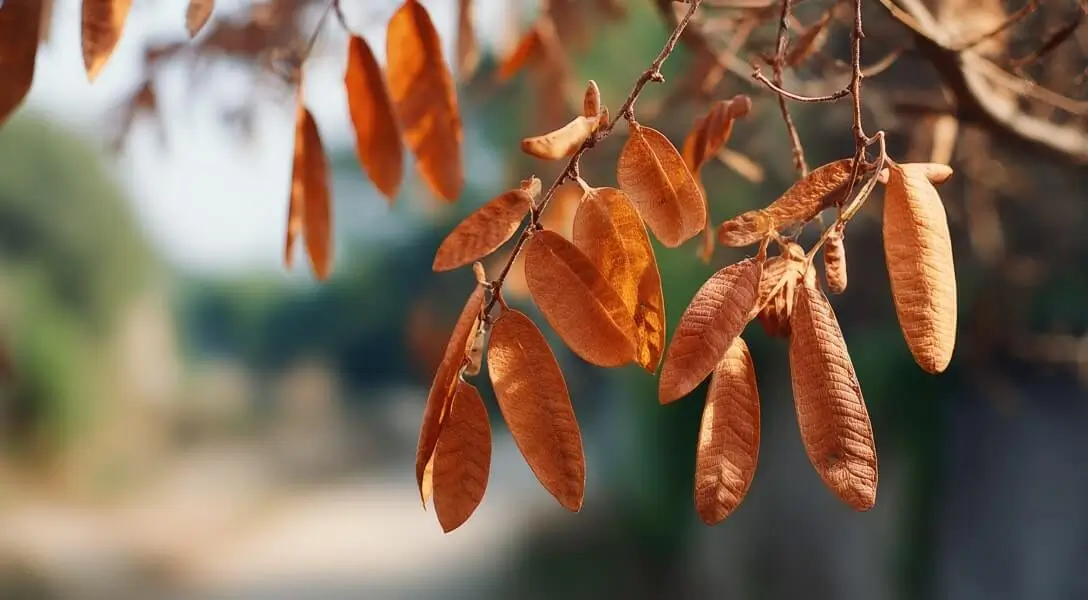
Brown leaf tips on fruit trees are a common issue for container gardeners and often signal underlying stress. Whether caused by watering mistakes, nutrient imbalances, or environmental factors, this problem can affect plant health and reduce fruit yield. Understanding the root causes and applying the right fixes can restore your fruit trees and prevent future damage.
Why Brown Leaf Tips Matter in Container Fruit Gardening
Brown leaf tips on fruit trees are more than just a cosmetic issue. They are an early warning signal that something in the growing environment is off.
In container gardening, fruit trees depend entirely on you for:
- Water balance
- Nutrient availability
- Root health
- Protection from heat and salt buildup
When leaf tips turn brown, the tree is telling you that water movement inside the plant is being disrupted. If ignored, this stress can lead to:
- Slower growth
- Flower drop
- Poor fruit set
- Increased pest problems
Many gardeners confuse brown leaf tips with diseases and reach for sprays, but that usually makes things worse. Understanding the real causes helps you fix the problem quickly and protect your harvest.
The Most Common Causes of Brown Leaf Tips on Fruit Trees
1. Inconsistent Watering (The #1 Cause)
The most common reason for brown leaf tips on fruit trees in pots is uneven watering.
- Letting soil dry out too much damages fine feeder roots
- Overwatering suffocates roots and reduces water uptake
- Repeated dry–wet cycles stress the plant
When roots can’t supply enough moisture, leaf tips dry out first.
Signs this is the problem:
- Crispy brown edges
- Leaves still mostly green
- Soil alternates between very dry and soggy
If your tree is also growing slowly, review your watering routine and compare it with the advice in this guide on why container fruit trees grow slowly.
2. Salt Buildup From Fertilizers or Tap Water
Brown leaf tips on fruit trees often indicate salt burn, especially in containers.
Sources of excess salts:
- Synthetic fertilizers
- Hard tap water
- Poor drainage
As water evaporates from the pot, salts concentrate near the roots, pulling moisture out of leaf tissue and burning the tips.
Clues to salt damage:
- Uniform brown tips across many leaves
- White crust on soil surface or pot rim
- Problem worsens after fertilizing
3. Low Humidity and Heat Stress
Fruit trees grown on balconies, rooftops, or patios often face hot, dry air.
Low humidity increases water loss through leaves faster than roots can replace it. The result? Brown, dry leaf edges.
This is especially common in:
- Citrus trees
- Avocado
- Fig trees
- Young fruit trees
4. Root Stress or Root Rot
Damaged roots cannot supply water efficiently, even if the soil is wet.
Root problems may come from:
- Pots without drainage holes
- Heavy, compacted soil
- Chronic overwatering
If brown leaf tips appear along with yellowing leaves or leaf drop, inspect the roots. This problem often overlaps with root rot in potted fruit trees, which requires immediate action.
5. Nutrient Imbalances (Not Always Deficiency)
Contrary to popular belief, brown leaf tips are rarely caused by lack of nutrients alone.
However, excess:
- Nitrogen
- Potassium
- Magnesium
can interfere with water uptake and cause tip burn. More fertilizer is not always better.
Step-by-Step Solutions to Fix Brown Leaf Tips on Fruit Trees
Step 1: Fix Your Watering Routine
- Water deeply until water drains from the bottom
- Water again only when the top 2–3 cm of soil is dry
- Avoid light, frequent watering
Consistency matters more than frequency.
If your tree recently suffered stress after repotting, review these tips on fruit trees dying after repotting to avoid compounding the issue.
Step 2: Flush Excess Salts From the Soil
Once every 4–6 weeks:
- Place the pot where it can drain freely
- Slowly pour clean water through the soil for several minutes
- Let all excess water drain
This leaching process removes harmful salt buildup.
Step 3: Improve Drainage and Soil Structure
Use a well-draining potting mix designed for fruit trees or citrus. Avoid garden soil.
Ideal soil characteristics:
- Light and airy
- Holds moisture without staying wet
- Contains organic matter
If soil stays wet for days, roots may already be suffering — a common trigger for leaf tip damage.
Step 4: Adjust Fertilizing Habits
- Use slow-release or organic fertilizers
- Feed less often but more consistently
- Never fertilize dry soil
If brown tips appeared shortly after feeding, skip fertilizer for 4–6 weeks.
Step 5: Increase Humidity and Reduce Heat Stress
- Group plants together
- Add mulch on soil surface
- Move pots out of harsh afternoon sun
- Use light-colored containers to reduce root heat
These steps reduce water loss and help leaves recover.
Common Beginner Mistakes That Cause Brown Leaf Tips
Many beginners accidentally create the perfect conditions for leaf tip burn.
Overcorrecting Too Fast
Making multiple changes at once (watering more, fertilizing, moving pots) stresses trees further.
Using Small Containers
Root-bound trees dry out faster and concentrate salts. This often leads to leaf damage and even fruit drop in container-grown trees.
Ignoring Early Symptoms
Brown tips don’t fix themselves. Early action prevents long-term damage.
Confusing Stress With Disease
Most brown leaf tips are physiological, not fungal or bacterial.
Tools, Containers, and Care Tips That Prevent Brown Leaf Tips
Best Containers
- Large enough for 2–3 years of growth
- Drainage holes are non-negotiable
- Breathable materials like fabric or clay help
Mulching
- Reduces evaporation
- Buffers soil temperature
- Protects surface roots
Water Quality
If tap water is very hard:
- Collect rainwater if possible
- Let tap water sit overnight before use
Monitoring
Check:
- Soil moisture
- Leaf color
- Growth rate
Slow growth combined with leaf tip burn often signals deeper root issues.
FAQ: Brown Leaf Tips on Fruit Trees
Why do my fruit tree leaves turn brown at the tips but stay green?
This usually indicates water stress or salt buildup, not disease. The leaf edges dry out first when moisture movement is disrupted.
Can brown leaf tips turn green again?
No. Damaged tissue won’t recover, but new growth will be healthy once the problem is fixed.
Should I cut off leaves with brown tips?
You can trim brown edges for appearance, but avoid removing too many leaves at once.
Is brown leaf tip burn contagious?
No. It’s a stress response, not an infection.
Do brown leaf tips mean my tree will die?
Not at all. Most container fruit trees recover fully once watering, soil, and fertilizer are corrected.
Conclusion: Healthy Leaves Start With Root Care
Brown leaf tips on fruit trees are one of the clearest signs that your container-grown tree needs a small adjustment — not drastic intervention. In most cases, the solution comes down to consistent watering, proper drainage, and reduced salt stress.
Focus on root health first, make changes gradually, and observe how your tree responds over the next few weeks. Healthy new leaves are your confirmation that you’re back on track.
Your fruit tree doesn’t need perfection — it needs balance. With the right care, those brown tips will soon be a thing of the past, and your container garden will thrive.