
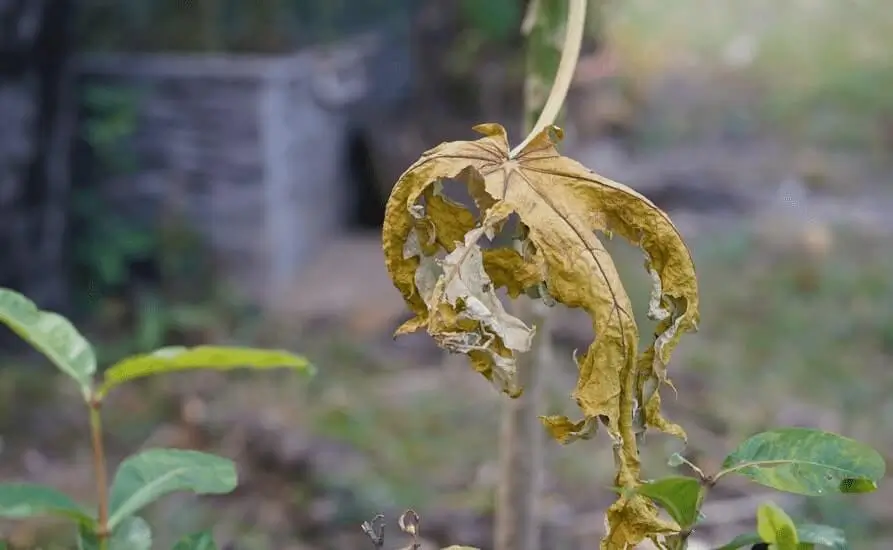
Growing fruit trees in containers is rewarding, but it can become frustrating when your plant starts declining slowly without a clear reason. Unlike sudden damage, gradual decline often signals underlying issues like poor drainage, nutrient deficiencies, root problems, or environmental stress. The good news is that early detection and the right care adjustments can revive your tree and restore healthy growth. In this guide, you’ll discover the real causes behind slow decline and practical, proven solutions to bring your potted fruit trees back to life.
Why Fruit Trees Dying Slowly in Pots Is a Common Problem
Container fruit trees live in a much more restricted environment than trees planted in the ground. Their entire root system depends on a limited volume of soil, controlled drainage, and consistent care. When something goes wrong, the tree can’t escape stress by spreading its roots deeper or wider.
Key reasons this issue matters in container fruit gardening:
- Roots are confined, making mistakes more damaging
- Watering errors build up faster in pots
- Nutrient depletion happens quickly
- Temperature extremes affect containers more than soil
- Structural problems like root binding are hidden until it’s too late
Many gardeners assume slow decline is caused by disease, but in most cases, the problem is environmental. Understanding these constraints is the first step toward saving a struggling tree.
The Main Causes of Fruit Trees Dying Slowly in Pots
1. Poor Drainage and Chronic Root Suffocation
One of the top causes of fruit trees dying slowly in pots is poor drainage. When water cannot escape easily, roots sit in constantly wet soil. Over time, oxygen levels drop, roots suffocate, and rot sets in.
Warning signs include:
- Yellowing leaves that don’t improve with fertilizer
- Wilting even when soil is wet
- Sour or rotten smell from the potting mix
- Black or mushy roots
Fix it:
- Use pots with multiple drainage holes
- Elevate containers slightly so water can escape
- Switch to a free-draining potting mix designed for fruit trees
- Avoid saucers that hold standing water
If you’ve noticed unpleasant odors, this guide on why potting soil smells bad and how to fix it explains how anaerobic conditions damage roots.
2. Root Bound Trees That Can No Longer Absorb Nutrients
Fruit trees can survive root-bound conditions for a while, but they slowly decline as roots circle the pot and lose access to fresh soil.
Symptoms of root binding:
- Slowed or stunted growth
- Small, pale leaves
- Rapid drying after watering
- Poor flowering or fruit drop
Fix it step by step:
- Remove the tree from its pot
- Gently loosen circling roots
- Prune severely tangled roots if necessary
- Repot into a container 2–4 inches wider
- Refresh with high-quality potting mix
If you’re unsure when or how to do this, follow this complete guide on repotting fruit trees grown in containers.
3. Incorrect Watering Habits (Too Much or Too Little)
Watering mistakes don’t always kill trees quickly. Instead, they weaken roots over time, leading to slow decline.
Overwatering causes:
- Root rot
- Nutrient lockout
- Fungal growth
Underwatering causes:
- Fine root death
- Leaf drop
- Poor fruit development
Best practice:
- Water deeply until excess drains out
- Allow the top 2–3 cm of soil to dry before watering again
- Adjust frequency by season (more in summer, less in winter)
For a detailed schedule, see how often to water fruit trees in containers.
4. Nutrient Depletion and Imbalanced Fertilization
Container soil runs out of nutrients far faster than garden soil. A tree can appear healthy for months before deficiencies slowly appear.
Common signs:
- Yellow leaves with green veins (iron deficiency)
- Weak growth and pale foliage (nitrogen deficiency)
- Poor fruit size or flavor
Fix it:
- Use a slow-release fertilizer formulated for fruit trees
- Supplement with liquid feed during active growth
- Flush the soil occasionally to prevent salt buildup
Balanced feeding supports long-term health without overstimulating weak roots.
5. Containers That Are Too Small or Poorly Insulated
Small containers heat up quickly, dry out faster, and restrict root growth. Black plastic pots can overheat roots, especially on balconies or patios.
What to do:
- Choose light-colored or insulated containers
- Match pot size to tree age and root mass
- Avoid decorative pots with no drainage
If your tree feels unstable, this article on why potted fruit trees fall over and how to fix it explains how container size and weight affect health.
Step-by-Step: How to Save a Fruit Tree Dying Slowly in a Pot
- Inspect drainage holes and unblock them
- Check root health by gently lifting the tree
- Repot if roots are circling or compacted
- Refresh soil with a well-aerated mix
- Correct watering frequency
- Feed lightly but consistently
- Move the pot to protect from extreme heat or cold
Acting early can reverse decline before permanent damage occurs.
Common Beginner Mistakes That Cause Slow Decline
- Using garden soil instead of potting mix
- Watering on a fixed schedule instead of checking soil
- Keeping trees in the same pot for years
- Ignoring early leaf discoloration
- Overfertilizing to “force” growth
Avoiding these mistakes dramatically increases the lifespan of container fruit trees.
Tools, Soil, and Care Tips for Healthy Container Fruit Trees
Essential tools:
- Moisture meter or finger test
- Sharp pruning shears
- Breathable fabric or ceramic pots
Soil tips:
- Use mixes with perlite or pumice
- Avoid heavy peat-only blends
- Refresh topsoil annually
Care habits:
- Rotate pots monthly for even sunlight
- Mulch lightly to stabilize moisture
- Reduce watering in winter dormancy
FAQ: Fruit Trees Dying Slowly in Pots
Why do fruit trees look healthy but slowly decline?
Because root problems develop underground long before visible symptoms appear.
Can root rot be reversed in potted fruit trees?
Yes, if caught early by improving drainage and trimming affected roots.
How often should container fruit trees be repotted?
Every 1–2 years for young trees, every 2–3 years for mature ones.
Is it normal for leaves to yellow in pots?
Occasional yellowing is normal, but persistent yellowing signals stress or deficiency.
Can I grow fruit trees long-term in containers?
Yes, with proper pot size, soil renewal, and consistent care.
Conclusion: Stop Fruit Trees From Dying Slowly in Pots
Fruit trees dying slowly in pots is not a mystery—it’s a signal that something in the root environment needs attention. By improving drainage, correcting watering habits, refreshing soil, and upgrading containers when needed, you can restore tree health and prevent future decline.
Start by inspecting your tree today. Small adjustments now can save months—or years—of growth. With the right care, container-grown fruit trees can thrive, produce reliably, and remain healthy in even the smallest spaces.