
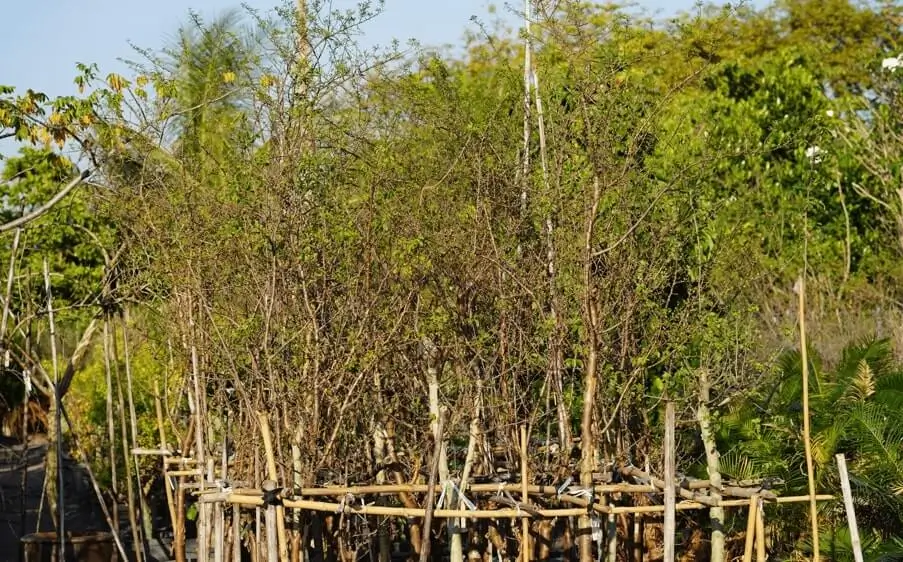
Fruit trees grown in containers often go through stress caused by repotting, heat, poor watering, or nutrient imbalance. When they fail to bounce back, it can feel like the plant is slowly declining with no clear solution. Understanding why fruit trees struggle to recover after stress—and knowing how to help them regain strength—is essential for every container gardener.
Why Fruit Trees Not Recovering After Stress Is Common in Containers
Container fruit trees live in a controlled—but fragile—environment. Unlike in-ground trees, they rely entirely on you for water balance, nutrition, airflow, and root space.
When stress occurs, recovery is slower and more complicated because:
- Roots are confined and easily damaged
- Soil dries out or stays wet faster than ground soil
- Temperature extremes affect pots more severely
- Nutrient mistakes concentrate quickly
Even mild stress—such as a few days of drought or excess watering—can trigger long-term decline if the roots are compromised.
If your tree recently suffered heat stress, transplant shock, poor drainage, or nutrient imbalance, the visible symptoms may linger long after the original problem is gone.
If your tree is rapidly declining or losing leaves, compare symptoms with this guide on why potted fruit trees are dying suddenly to rule out urgent root or soil issues.
Signs Your Fruit Tree Is Stressed but Still Alive
Before taking action, confirm whether recovery is possible.
Positive survival signs include:
- Flexible branches (not brittle)
- Green tissue under bark when scratched
- Buds that are swollen or dormant (not shriveled)
- Some leaf retention, even if discolored
Warning signs of severe damage:
- Mushy or foul-smelling soil
- Blackened roots or trunk base
- Complete defoliation with dry, snapping branches
If the tree is alive, recovery is about root repair first, growth later.
Step-by-Step: How to Help Fruit Trees Recover After Stress
Step 1: Identify the Original Stress (Don’t Guess)
Fruit trees not recovering after stress usually fail because the original cause is still present.
Common container stress triggers:
- Overwatering or poor drainage
- Heat stress from hot patios or walls
- Root binding or circling roots
- Sudden repotting or soil change
- Excess fertilizer or salt buildup
If your soil smells sour or rotten, stop and read why potting soil smells bad in containers before doing anything else.
Step 2: Fix the Root Zone First (Recovery Starts Below the Soil)
No fruit tree recovers until roots can breathe.
Immediate root-zone corrections:
- Ensure the pot has large, open drainage holes
- Elevate the container slightly off the ground
- Stop watering until the top 2–3 inches of soil dry
If the tree is root-bound or wobbling, it may need stabilization or repotting. Learn how to correct this safely in how to fix fruit trees falling over in pots.
Do NOT fertilize yet. Stressed roots cannot absorb nutrients and fertilizer can burn them.
Step 3: Adjust Watering for Recovery Mode
During recovery, fruit trees need consistent moisture, not frequent watering.
Best recovery watering practice:
- Water deeply, then allow partial drying
- Avoid daily light watering
- Water in the morning, not evening
A stressed tree with weak roots will rot if kept constantly wet—even if leaves look dry.
If you’re unsure, underwater slightly rather than overwater during recovery.
Step 4: Reduce Stress on the Canopy
When roots are compromised, leaves become a burden.
Smart canopy stress reduction:
- Remove dead or fully brown leaves
- Lightly prune broken or crossing branches
- Avoid heavy pruning (no more than 10–15%)
This reduces water loss while preserving photosynthesis.
Step 5: Improve Light—But Avoid Shock
Light fuels recovery, but sudden exposure can stall it.
- Move trees gradually into brighter light
- Avoid full afternoon sun for recovering trees
- Use dappled shade during heatwaves
If your tree is tall and top-heavy, excess sun and wind may worsen stress. This often happens when containers are too small—see why fruit trees grow too tall in pots.
Step 6: Feed Only After New Growth Appears
New leaves = roots are working again.
Safe feeding after stress:
- Use diluted organic liquid fertilizer (¼ strength)
- Apply compost tea or worm castings
- Avoid high-nitrogen synthetic feeds
If no new growth appears after 6–8 weeks in the growing season, reassess root health rather than adding fertilizer.
Why Fruit Trees Not Recovering After Stress Can Take Months
Beginners often expect quick results. In reality:
- Roots recover first (invisible)
- Leaves respond later
- Flowers and fruit may skip a season
It’s normal for a stressed fruit tree to pause growth for 6–12 weeks, especially after transplant shock or heat stress.
Patience is part of proper container fruit care.
Common Beginner Mistakes That Prevent Recovery
1. Overwatering to “Help”
This is the #1 reason fruit trees not recovering after stress eventually die.
2. Fertilizing Too Soon
Feeding damaged roots causes salt burn and further decline.
3. Repotting Repeatedly
Constant disturbance prevents root regeneration.
4. Ignoring Pot Size Limits
Small pots overheat, dry out, and restrict recovery.
5. Expecting Fruit the Same Season
Recovery years are about survival, not harvest.
Tools, Soil, and Container Tips for Faster Recovery
Recommended recovery setup:
- Light-colored or fabric pots (cooler roots)
- High-drainage fruit tree soil mix
- Mulch layer (bark or straw)
- Pot feet or risers for airflow
Avoid heavy garden soil or peat-heavy mixes that stay wet.
If you notice white mold or fungal growth on soil, don’t panic—but address airflow and moisture. This guide on mold on potting soil explains when it’s harmless and when it’s not.
FAQ: Fruit Trees Not Recovering After Stress
Why is my fruit tree still stressed weeks after the problem was fixed?
Because roots heal slowly. Visible recovery always lags behind root recovery.
Should I remove all leaves from a stressed fruit tree?
No. Remove only dead or fully brown leaves. Green leaves help recovery.
Can a fruit tree recover after losing all its leaves?
Yes—if branches are flexible and cambium is green. Recovery may take months.
Is it better to repot a stressed fruit tree or leave it alone?
Leave it unless drainage or root binding is severe. Unnecessary repotting delays healing.
How long should I wait before fertilizing again?
Wait until you see new leaf growth—then start lightly.
Conclusion: Helping Fruit Trees Recover the Right Way
When fruit trees not recovering after stress seem stuck, the solution is rarely more water, more fertilizer, or more intervention. Recovery is about correcting the root environment, reducing pressure on the tree, and allowing time.
Focus on drainage, gentle watering, stable light, and patience. Most container fruit trees will recover—even if it takes an entire season.
Next steps:
- Inspect roots and soil today
- Adjust watering immediately
- Stop fertilizing until growth resumes
- Monitor progress weekly, not daily
With the right approach, your stressed fruit tree can return stronger—and more productive—than before.