
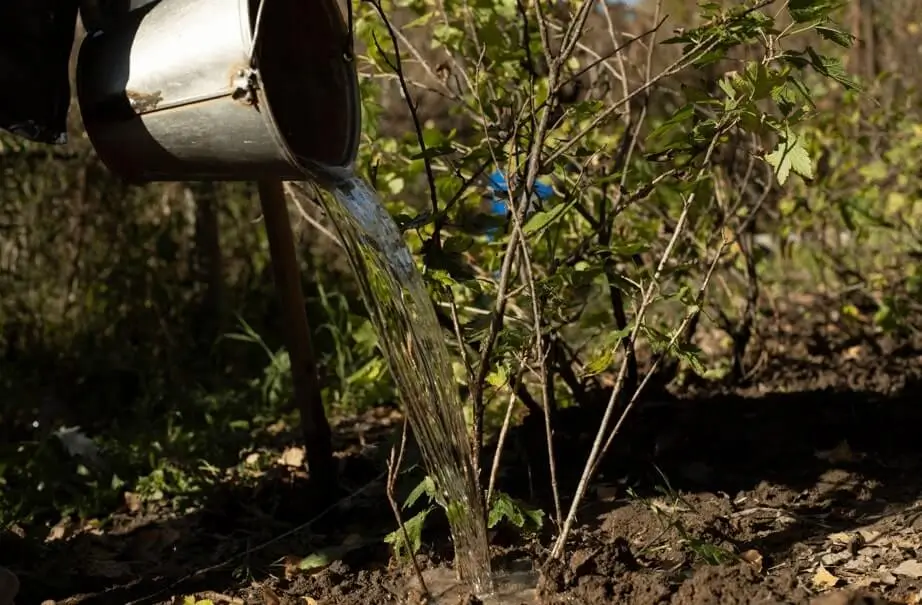
Growing fruit trees in coastal areas offers unique advantages like mild temperatures and fresh ocean air—but it also comes with challenges such as salty winds, sandy soil, and faster moisture evaporation. For container home gardeners, mastering the right watering techniques is essential to keep fruit trees healthy, productive, and stress-free. This guide will help you understand how coastal conditions affect watering and how to adjust your routine for thriving container fruit trees.
Why Watering Fruit Trees in Coastal Areas Matters (Especially in Containers)
Coastal environments create a unique water balance problem for fruit trees. While humidity is often high, actual soil moisture can be unpredictable—especially in containers.
Here’s why proper watering is critical:
1. Sandy Soils Drain Too Fast
Many coastal regions have sandy or sandy-loam soil. Water moves through it quickly, often before roots can absorb enough moisture. For in-ground trees, this means deeper, slower watering is essential. For containers, soil choice becomes critical.
If you’re unsure how drainage affects roots, see this detailed guide on how soil drainage impacts fruit tree watering.
2. Salt Stress Increases Water Demand
Salt from sea spray and coastal winds can accumulate on leaves and in soil. This salt buildup forces trees to use more water to maintain normal internal functions. Without proper flushing, roots become stressed and nutrient uptake suffers.
3. Wind & Sun Accelerate Moisture Loss
Coastal breezes feel refreshing—but they dramatically increase evaporation. Combined with strong sunlight, container-grown fruit trees can dry out in a single day during warm seasons.
4. Containers Dry Faster Than Ground Soil
If you’re growing in pots, watering fruit trees in coastal areas requires extra attention. Containers heat up faster, drain faster, and offer limited root space—making consistent moisture management essential.
Step-by-Step Best Practices for Watering Fruit Trees in Coastal Areas
Step 1: Water Deeply, Not Frequently
Shallow watering encourages surface roots, which dry out quickly and are more vulnerable to salt and heat stress.
Best practice:
- Water until moisture reaches the full root zone
- Allow the top 2–3 inches of soil to dry before watering again
- For containers, water until it flows from the drainage holes
If you struggle with timing, this fruit tree watering schedule for beginners breaks it down by season and tree age.
Step 2: Adjust Watering by Season
Coastal climates often have mild winters and long growing seasons, which changes watering needs.
- Spring: Moderate watering as growth begins
- Summer: Increase frequency; containers may need daily watering
- Fall: Gradually reduce watering
- Winter: Water sparingly, but don’t let roots dry completely
Evergreen fruit trees like citrus still need moisture in winter, even near the coast.
Step 3: Water Early in the Morning
Morning watering allows moisture to soak in before evaporation peaks. It also reduces fungal issues caused by wet leaves overnight.
Avoid:
- Midday watering (high evaporation)
- Late evening watering (higher disease risk)
Step 4: Flush Soil Periodically to Remove Salt
Salt buildup is one of the biggest hidden problems when watering fruit trees in coastal areas.
Every 4–6 weeks:
- Water slowly and deeply
- Allow excess water to drain freely
- This helps wash salts below the root zone
This step is especially important for container trees and sensitive fruit varieties.
Step 5: Mulch to Retain Moisture
Mulching is one of the most effective tools for coastal gardeners.
Use:
- Pine bark
- Straw
- Wood chips
- Coconut coir (great for containers)
Mulch:
- Reduces evaporation
- Regulates soil temperature
- Minimizes salt splash from soil to leaves
Learn more in this practical guide on mulching fruit trees for better water retention.
Container-Specific Watering Tips for Coastal Fruit Trees
Container gardening near the coast requires extra precision.
Choose the Right Container
- Use large pots (minimum 15–25 gallons for most fruit trees)
- Ensure multiple drainage holes
- Light-colored containers reduce heat buildup
Use a Coastal-Friendly Soil Mix
Avoid garden soil. Instead, use:
- High-quality potting mix
- Added compost for moisture retention
- Perlite or pumice for airflow
A balanced mix prevents waterlogging while holding enough moisture for hot, windy days.
Monitor Moisture—Don’t Guess
Finger testing works, but moisture meters can be helpful for beginners.
Check:
- Daily in summer
- Every 2–3 days in mild weather
For more accuracy, see this beginner-friendly guide on how to check soil moisture for fruit trees.
Common Watering Mistakes Beginners Make in Coastal Areas
1. Overwatering Because of Humidity
High humidity does NOT mean the soil is moist. Many beginners overwater, leading to root rot.
Signs of overwatering:
- Yellowing leaves
- Mushy roots
- Fungal growth on soil surface
2. Ignoring Wind Exposure
Coastal wind dries containers faster than expected. Trees placed on balconies or rooftops need more frequent checks.
3. Poor Drainage in Containers
No drainage holes = guaranteed root problems.
If water doesn’t drain freely, roots suffocate—even if the tree looks fine at first.
4. Never Flushing Salt from Soil
Salt accumulation causes:
- Leaf burn
- Stunted growth
- Poor fruit quality
Regular flushing prevents long-term damage.
Helpful Tools & Care Tips for Coastal Watering Success
- Drip irrigation systems for consistent moisture
- Self-watering containers (use cautiously in humid climates)
- Rainwater collection (low in salts)
- Windbreaks using mesh or plants
Balancing watering with feeding is also essential—too much fertilizer worsens salt stress. This guide on balancing watering and fertilizing fruit trees explains how to avoid that mistake.
FAQ: Watering Fruit Trees in Coastal Areas
How often should I water fruit trees in coastal areas?
It depends on temperature, wind, and container size. In summer, container trees may need daily watering, while in-ground trees usually need deep watering once or twice a week.
Is salt water harmful to fruit trees?
Yes. Salt damages roots and leaves. Always use fresh water and periodically flush soil to remove salt buildup.
Do coastal fruit trees need more water than inland trees?
Often yes, due to wind, sandy soil, and salt stress—even in humid conditions.
What time of day is best for watering near the coast?
Early morning is best. It reduces evaporation and allows leaves to dry naturally.
Can rain replace regular watering in coastal climates?
Light coastal rain often doesn’t penetrate deeply enough. Always check soil moisture before skipping watering.
Conclusion: Mastering Watering Fruit Trees in Coastal Areas
Watering fruit trees in coastal areas doesn’t have to be complicated—but it does require awareness and consistency. By understanding how salt, wind, containers, and sandy soils affect moisture, you can build a watering routine that keeps your trees healthy, productive, and stress-free.
Your next steps:
- Check drainage in all containers
- Adjust watering based on wind and season
- Flush soil regularly to prevent salt buildup
- Mulch generously to retain moisture
With these practical strategies, even beginners can successfully grow thriving fruit trees near the coast—whether on a balcony, patio, or small backyard.