
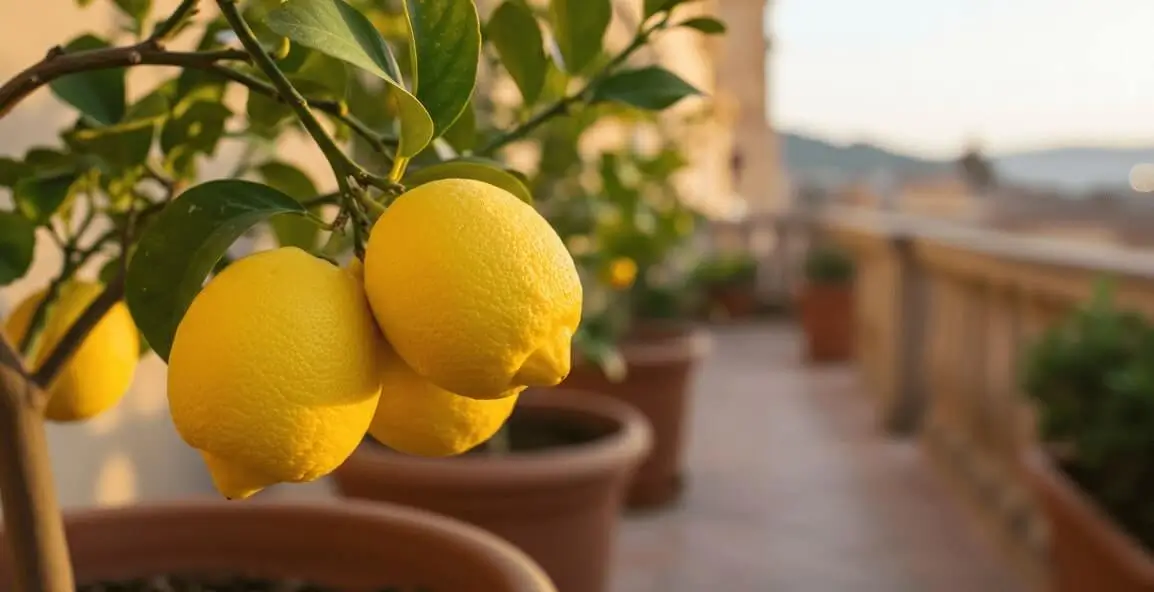
Growing lemon trees in containers is one of the easiest ways to enjoy fresh citrus at home, even if you only have a balcony, patio, or small garden. With the right pot, proper soil, and consistent care, potted lemon trees can thrive for years while producing fragrant flowers and juicy fruit. This beginner-friendly guide explains everything you need to know about how to grow lemon trees in pots successfully, from choosing the best container to watering, fertilizing, and preventing common problems.
Why Growing Lemon Trees in Pots Makes Sense
Container lemon trees are ideal for modern gardeners who want flexibility, control, and reliable results.
Perfect for Small Spaces
If you garden on a balcony, terrace, or compact patio, pots allow you to grow citrus where in-ground planting isn’t possible. You can even move the tree to follow the sun or protect it from extreme weather.
Better Control Over Soil and Water
Potted lemon trees let you customize the soil mix and drainage, which is crucial for citrus health. This pairs well with proper watering habits—especially if you’re already familiar with watering fruit trees in containers correctly to avoid root rot or drought stress.
Easier Cold Protection
In cooler climates, pots make it easy to move lemon trees indoors or into sheltered areas during winter, preventing frost damage.
Ideal for Beginners
Container gardening reduces many common problems like poor soil, pests, and overwatering, making lemon trees far more beginner-friendly than most people expect.
Choosing the Best Lemon Variety for Pots
Not all lemon trees perform well in containers. Dwarf or naturally compact varieties are the best choice.
Best Lemon Trees for Container Growing
- Dwarf Meyer Lemon – The most popular choice; compact, productive, and less acidic.
- Improved Meyer Lemon – Disease-resistant with excellent fruit quality.
- Ponderosa Lemon (Semi-Dwarf) – Large fruit, slower growth, needs bigger pots.
If you’re new to citrus, start with a dwarf Meyer lemon—it’s forgiving and thrives in pots with basic care.
Step-by-Step: How to Grow Lemon Trees in Pots Successfully
1. Choosing the Right Pot Size and Material
Start with a container that supports healthy root growth.
Ideal pot guidelines:
- Minimum size: 12–14 inches wide for young trees
- Mature trees: 18–24 inches wide
- Always choose pots with drainage holes.
Terracotta pots breathe well but dry out faster. Plastic and resin pots retain moisture longer and are lighter—great for balconies.
If you’re unsure whether pots or ground planting is better long-term, this comparison of growing fruit trees in pots versus in-ground can help you decide.
2. Using the Best Soil for Potted Lemon Trees
Soil is one of the most critical factors in the success of container citrus.
Ideal soil mix characteristics:
- Fast-draining
- Slightly acidic (pH 5.5–6.5)
- Rich in organic matter
A high-quality citrus potting mix works well, or you can create your own using compost, coco coir or peat, and perlite. Avoid garden soil—it compacts easily and suffocates roots.
For more control and long-term success, follow a proven method for making a homemade soil mix for fruit trees in containers.
3. Planting Your Lemon Tree Correctly
- Fill the pot halfway with soil mix.
- Place the lemon tree so the root flare sits just above soil level.
- Fill around the roots and gently firm the soil.
- Water thoroughly until the excess drains out
Never bury the trunk deeper than it was in the nursery pot—this is a common beginner mistake.
4. Sunlight Requirements for Potted Lemon Trees
Lemon trees need 6–8 hours of direct sunlight daily.
Best placement ideas:
- South-facing balcony or patio
- Near a sunny wall that reflects heat
- Indoors near a bright window (with supplemental grow light if needed)
Insufficient light is a major reason lemon trees fail to flower or fruit.
5. Watering Lemon Trees in Pots (The Right Way)
Container-grown lemon trees dry out faster than in-ground trees.
Watering tips:
- Water deeply when the top 2 inches of soil are dry
- Avoid frequent shallow watering.
- Reduce watering in winter.
Overwatering is just as harmful as underwatering. Learning how often to water fruit trees in containers helps prevent yellow leaves and root diseases.
6. Fertilizing for Healthy Growth and Fruit
Lemon trees are heavy feeders.
Fertilizing schedule:
- Spring to early fall: every 2–4 weeks
- Winter: reduce or stop feeding
Use a balanced citrus fertilizer with micronutrients like magnesium and iron. Organic options work well for long-term soil health, especially when combined with proper watering.
Seasonal Care for Lemon Trees in Pots
Summer Care
- Water more frequently during heatwaves
- Protect pots from overheating.
- Watch for pests like spider mites.
Winter Care
- Move indoors or to sheltered areas if temperatures drop below 40°F (4°C)
- Reduce watering
- Provide bright light indoors.
If you live in a cooler climate, understanding how to protect fruit trees in winter while growing in containers is essential for long-term success.
Common Mistakes Beginners Make (And How to Avoid Them)
- Using garden soil in pots → Causes poor drainage and root rot
- Overwatering → Leads to yellow leaves and dropped flowers
- Not enough sunlight → Results in weak growth and no fruit
- Skipping fertilizer → Causes nutrient deficiencies.
- Choosing the wrong pot size → Restricts root development.
Avoiding these mistakes alone can double your success rate.
Tools and Supplies You’ll Need
- Large container with drainage holes
- High-quality citrus potting mix
- Balanced citrus fertilizer
- Watering can or drip system
- Pruning shears
- Mulch to retain moisture
Having the right tools simplifies care and prevents common issues before they start.
FAQ: Growing Lemon Trees in Pots
How long does it take for a lemon tree in a pot to produce fruit?
Most dwarf lemon trees start producing fruit within 2–3 years with proper care.
Can lemon trees grow indoors year-round?
Yes, as long as they receive enough light. A sunny window or grow light is essential.
Why are the leaves on my potted lemon tree turning yellow?
Common causes include overwatering, nutrient deficiency, or poor drainage.
Do lemon trees need pruning in pots?
Light pruning helps maintain shape, improve airflow, and encourage fruiting.
How big will a potted lemon tree get?
Most dwarf varieties reach 4–6 feet tall when grown in containers.
Conclusion: Start Growing Lemon Trees in Pots With Confidence
Learning how to grow lemon trees in pots opens the door to fresh, homegrown citrus—even in the smallest spaces. With the right container, well-draining soil, consistent watering, and plenty of sunlight, lemon trees thrive in pots and reward you with fragrant blooms and delicious fruit.
Start with a dwarf variety, focus on soil and drainage, and adjust care seasonally. If you already enjoy container fruit gardening, lemon trees are one of the most satisfying additions you can make.
Your patio, balcony, or sunny window is all you need to grow your own lemons—one pot at a time 🍋🌱