
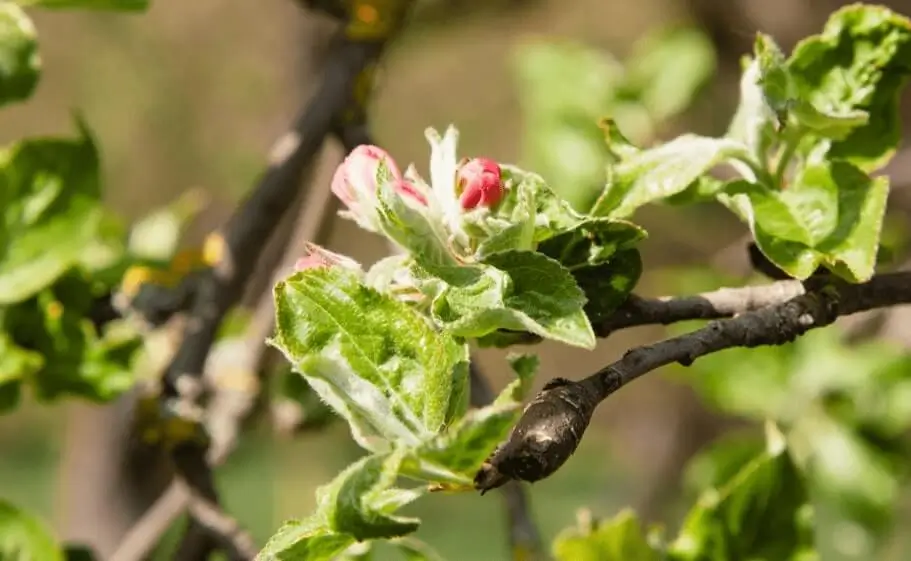
If your container fruit trees are growing healthy leaves but refusing to bloom, insufficient or improper light is often the hidden cause. Light plays a critical role in triggering flowering, and even minor deficiencies can delay or completely stop bud formation. Understanding how light affects flowering—and how to adjust your setup—can help you turn leafy plants into productive, fruit-bearing trees.
Why Fruit Trees Not Flowering Due to Light Matters for Container Gardening
For fruit trees, flowering is essential — buds must form and open before bees, wind, or hand pollination can lead to fruit set. In containers, light becomes even more crucial because plants can’t stretch toward the sun the way in-ground trees do. Many fruit tree species need 6–8 hours of direct sunlight to trigger flower bud development. Inadequate light often causes trees to grow lots of foliage but skip the all-important flower stage.
This issue is especially common in container setups that are shaded by walls, overhangs, or neighboring plants. Unlike open garden environments, balconies and patios can have microclimates with reduced light hours. That’s why understanding light’s role — and optimizing it — is a cornerstone of successful container fruit gardening.(growfruitly.com)
Common Causes of Poor Flowering in Container Fruit Trees
Low or Inconsistent Sunlight
- Trees in partial shade (fewer than 6 hours of direct sunlight) rarely set blooms.
- Even slight shading during peak bud formation can interrupt flowering signals.
Incorrect Placement
- North-facing balconies or areas blocked by buildings may not get optimal light throughout the growing season.
- Reflective surfaces (like white walls) can help bounce light onto plants.
Overfertilization
- Too much nitrogen encourages leafy growth at the expense of flowers.
- Switch to balanced or phosphorus-rich fertilizers to support bloom development.
Step-by-Step Solutions to Improve Flowering
1. Maximize Daily Sun Exposure
Ensure your fruit tree container gets at least 6 hours of direct sun every day — more if possible.
- Move pots to the brightest spot available (south or west exposures are usually best).
- Rotate containers weekly to avoid uneven growth.
2. Prune Strategically
Light can be blocked by your own tree’s dense foliage.
- Lightly prune congested branches to let sun penetrate the interior.
- Remove water sprouts and crossing branches to open the canopy.
3. Use Reflective Surfaces
Mirrors, white paint, or reflective mulch around containers can bounce extra light onto leaves and buds — particularly useful in tight balcony spaces.
4. Adjust Fertilizer for Flowering
Switch to a fertilizer formulated to support blooms:
- Choose one with a slightly higher phosphorus (middle number) to promote buds and blooms.
- Avoid high nitrogen blends during the flowering phase.
5. Hand Pollination Help
While not a light solution per se, encouraging or simulating pollination can boost fruit set once flowers appear:
- Gently brush open flowers with a soft paintbrush to transfer pollen (especially useful indoors or where pollinators are scarce).(youtube.com)
Common Mistakes Beginners Make
Placing Containers in Shady Corners
Even if a space feels bright, it might not get enough direct sunlight — which is crucial for flower initiation.(growfruitly.com)
Overlooking Light Patterns
Sunlight shifts with seasons. What gets sun in spring may be shaded in summer. Monitor your space throughout the day.
Treating All Fruit Trees the Same
Different species have slightly different light requirements. Citrus and figs are especially light-hungry, while berries may tolerate slight shade. Adjust placement accordingly.
Ignoring Soil and Container Needs
Light isn’t the only factor — healthy roots in well-draining soil also support plant vigor and bud formation. If you haven’t looked at soil recipes, see the guide on best soil for citrus trees in pots to optimize root health.
Tools, Containers & Care Tips for Better Flowering
Ideal Containers
- Use lightweight plastic, terracotta, or wood barrels with drainage holes.
- Larger trees need 20+ gallon containers to ensure roots don’t become root-bound.
Light Monitoring Tools
- A simple sunlight app or light meter can help you track how many direct sun hours each spot gets daily.
Soil & Nutrition
- Ensure well-draining mixes with components like coco coir, perlite, and compost.
- Avoid soggy soil — roots that sit in water can lead to stress and weaker flowering.
Helpful Internal Resources for Container Gardeners
To dive deeper into container fruit success, check out these GrowFruitly guides:
- Practical seasonal care and pollination techniques in the container fruit orchard guide — great for overall flowering and fruit set strategies.
- Information on optimizing soil and nutrition in the best soil for citrus trees in pots article to support healthy growth from the root zone outward.
- Tips for productive small-space fruit setups in the fruit gardening in small spaces guide — especially valuable if you’re dealing with light limitations.(growfruitly.com)
FAQs: Fruit Trees Not Flowering Due to Light
Q: How much light do container fruit trees really need to bloom?
Most need 6–8 hours of direct sunlight daily, especially during bud formation in spring. Trees with less will often grow leaves but fail to flower.(growfruitly.com)
Q: Can artificial lights help fruit trees flower?
Yes — high-quality full-spectrum grow lights can supplement low sunlight, especially for indoor or shaded patios.
Q: Why are my flowers falling off before fruit sets?
This can be due to inadequate light, heat stress, or poor pollination — adjusting light and encouraging pollinators can help.(RHS)
Q: Do all fruit trees need the same light exposure?
Not always — citrus and figs need very bright conditions, while berries might tolerate slight shade. Observe your specific tree’s performance.(growfruitly.com)
Q: Should I prune near blooming time?
Light pruning before the bloom period can help light penetration, but avoid heavy cuts right before or during flowering.
Conclusion: Brighten Up for Better Blooms
When your fruit trees are not flowering due to light, the fix often lies in optimizing their sun exposure and care routine. Whether it’s moving containers to brighter spots, adjusting fertilization to favor blooms, or pruning for better light penetration, you can help your trees shift from leafy growth into productive flowering and fruiting.
Start by tracking sunlight in your space and repositioning your pots for maximum daily direct light. Pair this with appropriate feeding and supportive soil practices from guides like the best soil for citrus trees in pots and container fruit orchard care, and you’ll be well on your way to a thriving, fruiting container garden.(growfruitly.com)
Happy gardening and fruitful blooms! 🍑🍋🍓