
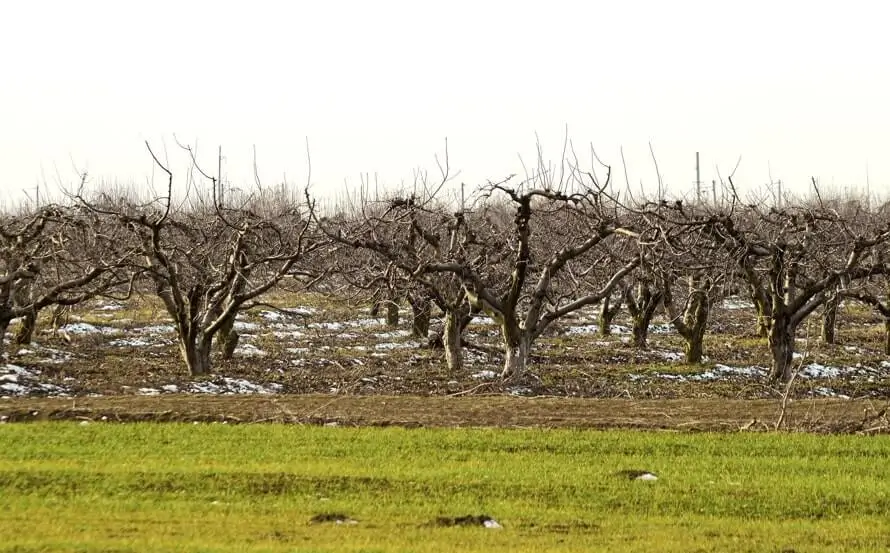
Using cold water on container-grown fruit trees might seem harmless, but it can quietly stress your plants and disrupt healthy growth. Sudden temperature changes around the roots can slow nutrient uptake, weaken the tree, and even lead to visible damage over time. In this guide, you’ll discover why cold water affects fruit trees, how to recognize the warning signs early, and the most effective ways to protect and revive your container plants for strong, productive growth.
Why Cold Water Matters for Container Fruit Gardening
Fruit trees evolved to absorb water that’s close to the surrounding soil temperature. In containers, roots are confined and more exposed, making them far more sensitive to sudden temperature changes.
How Cold Water Affects Roots
When cold water hits warm soil:
- Root cells constrict, reducing water absorption
- Beneficial microbial activity slows down
- Nutrient uptake (especially nitrogen, calcium, and magnesium) becomes inefficient
- Fine feeder roots may suffer micro-damage
This is why fruit trees affected by cold water often show stress symptoms even when watering “enough.”
Why Containers Make the Problem Worse
Compared to in-ground trees, container-grown fruit trees:
- Have less soil mass to buffer temperature changes
- Heat up faster in the sun
- Cool down rapidly when watered with cold tap water
If you’re also dealing with uneven watering patterns, this compounds stress—especially in summer. (See our guide on fixing uneven watering problems in potted fruit trees for deeper insight.)
Common Signs Fruit Trees Are Affected by Cold Water
Recognizing symptoms early helps prevent long-term damage.
Leaf Symptoms
- Sudden wilting despite moist soil
- Yellowing leaves with green veins
- Leaf curl or limp new growth
Growth & Fruit Issues
- Stunted spring or summer growth
- Poor flowering
- Fruit drop shortly after forming
Root & Soil Clues
- Soil stays wet longer than usual
- Sour or stagnant smell from the pot
- White salt crusts forming after repeated watering
If you notice salt crusts, cold water may also be contributing to mineral accumulation—a problem explained in our article on salt buildup in container fruit trees.
Fruit Trees Most Sensitive to Cold Water
Not all fruit trees react the same way. These are especially vulnerable in containers:
- Citrus (lemon, orange, mandarin)
- Avocado
- Fig
- Peach and nectarine
- Mango (in warm climates)
Cold-hardy trees like apples or plums tolerate cooler water better—but even they can suffer when watered with very cold tap water during warm weather.
Step-by-Step Solutions for Fruit Trees Affected by Cold Water
Step 1: Match Water Temperature to Soil
Ideal range: 15–22°C (59–72°F)
Practical tips:
- Fill watering cans and let them sit for a few hours
- Use rainwater collected in barrels
- Avoid watering directly from cold hoses on hot days
This single change often resolves mild stress within 7–10 days.
Step 2: Water at the Right Time of Day
Best times:
- Early morning
- Late afternoon
Avoid:
- Midday watering in summer
- Late-night watering in cool weather
This helps prevent thermal shock and supports steady root function.
Step 3: Improve Drainage and Soil Structure
Cold water stress worsens in poorly draining soil.
Use a well-draining mix:
- 40–50% high-quality potting soil
- 20–30% compost
- 20–30% perlite or pumice
If your container stays wet too long, review our breakdown on watering problems in self-watering pots—some designs hold water too cool for sensitive roots.
Step 4: Insulate Containers
Simple insulation techniques:
- Place pots on wooden feet (not bare concrete)
- Use light-colored containers to reduce heat extremes
- Wrap pots with burlap or coconut fiber
This stabilizes soil temperature, reducing shock when watering.
Step 5: Flush and Reset (If Damage Is Ongoing)
If your fruit tree has been affected for weeks:
- Use room-temperature water
- Slowly flush soil until water drains freely
- Let soil partially dry
- Resume gentle, consistent watering
This also helps remove excess salts—especially important if you use hard tap water. (Learn more in our guide to hard water effects on fruit trees.)
Tools, Containers, and Care Tips That Help Prevent Cold Water Stress
Best Containers
- Fabric grow bags (better temperature moderation)
- Thick ceramic or plastic pots
- Avoid thin metal containers
Helpful Tools
- Watering can with storage capacity
- Soil moisture meter
- Mulch (pine bark, straw, coco chips)
Mulching alone can reduce soil temperature swings by 20–30%.
Common Mistakes Beginners Make
1. Watering With Ice-Cold Tap Water
Especially harmful during hot weather.
2. Overwatering to “Fix” Wilting
Cold-stressed roots absorb less water—adding more worsens the problem.
3. Ignoring Container Placement
Pots on concrete amplify temperature extremes.
4. Mixing Cold Water With Fertilizer
This can shock roots and lock nutrients at the same time.
FAQ: Fruit Trees Affected by Cold Water
Can cold water permanently damage fruit trees?
Yes, prolonged exposure can damage feeder roots, but most container trees recover quickly once watering temperature is corrected.
How long does recovery take?
Mild cases improve in 7–14 days. Severe root stress may take a full growing cycle.
Is rainwater always safe?
Usually yes, but cold rain after hot weather can still shock roots—insulation helps.
Are indoor fruit trees affected too?
Yes. Cold tap water in winter can stress roots in warm indoor environments.
Should I fertilize a stressed tree?
Wait until new healthy growth appears before fertilizing.
Conclusion: Protect Your Fruit Trees From Cold Water Stress
Fruit trees affected by cold water don’t need complicated fixes—just smarter watering habits and better temperature control. By matching water temperature to soil, improving drainage, insulating containers, and avoiding common mistakes, you can prevent root shock and keep your trees productive year-round. Start today by letting your water warm naturally, adjusting your watering schedule, and checking your container setup. These small changes make a big difference—especially in container fruit gardening where roots rely entirely on your care.