
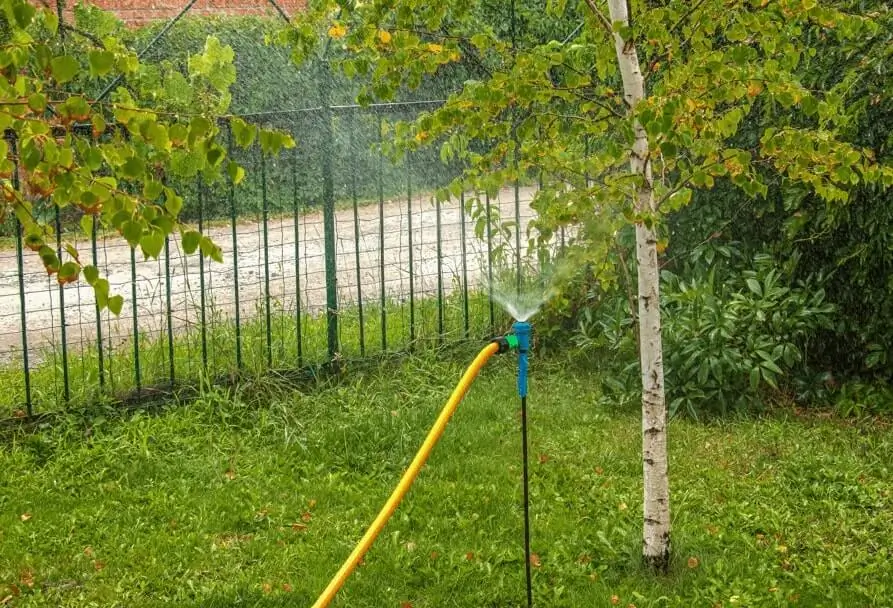
Rooftop gardening is an excellent way to grow fruit trees in small urban spaces, but it comes with unique challenges—especially when it comes to watering. Elevated exposure to sun, wind, and heat can cause soil to dry out much faster than in ground-level gardens. Without proper watering techniques, your fruit trees may struggle to thrive or produce healthy yields.
In this beginner-friendly guide, you’ll learn how to properly water fruit trees in rooftop gardens, understand their specific needs, and avoid common mistakes that can lead to stress or poor growth.
Why Watering Fruit Trees in Rooftop Gardens Matters
Rooftop gardens create a unique microclimate that directly affects how fruit trees absorb and use water.
1. Containers Dry Out Faster
Unlike in-ground trees, container fruit trees have a limited soil volume. On rooftops, heat reflected from concrete and walls accelerates evaporation, meaning soil moisture can drop rapidly—sometimes within hours.
2. Roots Depend Entirely on You
In the ground, roots can search for deeper moisture. In containers, roots rely 100% on your watering habits. One missed watering during hot weather can stress the tree and reduce fruit set.
3. Water Stress Affects Fruit Quality
Inconsistent watering often leads to:
- Fruit cracking (especially figs and citrus)
- Blossom drop
- Small or bitter fruit
- Leaf curl and premature leaf drop
Establishing a smart watering system is one of the most important success factors in container fruit gardening.
Understanding Rooftop Conditions Before You Water
Before creating a routine, evaluate your rooftop environment.
Sun Exposure
- Full sun (6–8+ hours): Requires more frequent watering
- Partial sun: Slower evaporation, less frequent watering
Wind Exposure
Wind increases moisture loss from both soil and leaves. Windy rooftops may need:
- Wind barriers
- Deeper containers
- Extra mulch
Roof Surface Heat
Dark or concrete roofs retain heat, raising root-zone temperatures. Elevated root heat increases water demand and can damage roots if watering is inconsistent.
Best Containers for Proper Watering Control
Choosing the right container directly affects how often and how deeply you need to water.
Recommended Container Features
- Minimum size: 15–25 gallons for dwarf fruit trees
- Multiple drainage holes to prevent waterlogging
- Light-colored containers to reduce heat absorption
Container Types Compared
Plastic or Resin Pots
- Retain moisture longer
- Lightweight for rooftops
- Ideal for beginners
Fabric Grow Bags
- Excellent drainage and root aeration
- Dry out faster—require closer monitoring
Self-Watering Containers
- Built-in reservoirs reduce daily watering
- Great for hot climates and busy gardeners
The Ideal Soil Mix for Rooftop Fruit Trees
Soil quality determines how efficiently water reaches the roots.
Best Container Soil Formula
A high-quality mix should:
- Drain excess water quickly
- Retain moisture evenly
- Allow oxygen to reach roots
Ideal blend:
- 50% high-quality potting mix
- 25% compost or aged organic matter
- 25% perlite or pumice
Avoid garden soil—it compacts easily and causes drainage problems.
Mulching Is Not Optional
Add 5–8 cm of organic mulch (wood chips, straw, bark) to:
- Reduce evaporation
- Stabilize soil temperature
- Improve watering efficiency
Step-by-Step: How to Water Fruit Trees in Rooftop Gardens
Step 1: Check Soil Moisture First
Insert your finger 5–7 cm into the soil:
- Dry → water
- Slightly moist → wait
- Wet → skip watering
For accuracy, consider a moisture meter.
Step 2: Water Slowly and Deeply
- Pour water until it drains from the bottom
- Pause and repeat to ensure full root saturation
- Avoid quick surface watering
Step 3: Water at the Right Time
- Early morning: Best absorption, less evaporation
- Avoid midday: High heat wastes water
- Evening only if necessary: Wet foliage overnight increases disease risk
Step 4: Adjust Frequency by Season
- Spring: 2–3 times per week
- Summer: Daily or every other day during heatwaves
- Autumn: Gradually reduce
- Winter: Water sparingly, only when soil is dry
For a deeper seasonal breakdown, see this guide on creating a balanced watering routine for container fruit trees.
How Tree Type Affects Watering Needs
Different fruit trees respond differently to water availability.
High Water Demand Trees
- Citrus
- Apple
- Peach
- Avocado
These trees need consistently moist (not soggy) soil.
Moderate to Low Water Demand Trees
- Fig
- Olive
- Pomegranate
These prefer slightly drier soil between watering sessions.
Understanding tree-specific needs helps prevent stress and root problems.
Common Watering Mistakes Beginners Make
1. Watering on a Fixed Schedule
Rooftop conditions change daily. Always check soil moisture instead of following the calendar. Learn more about the most frequent watering mistakes container gardeners make and how to avoid them.
2. Shallow Watering
Light watering encourages shallow roots, making trees more vulnerable to heat stress.
3. Poor Drainage
Standing water leads to root rot and nutrient lockout. If water pools on the surface, fix drainage immediately.
4. Ignoring Salt Buildup
Minerals accumulate faster in containers. Flush soil monthly to prevent damage—especially important on rooftops. This guide on preventing salt buildup in container fruit trees explains how.
Tools That Make Watering Easier
Essential Tools
- Long-spout watering can
- Soil moisture meter
- Organic mulch
Advanced Options
- Drip irrigation with timer
- Soaker hoses for multiple containers
- Self-watering reservoirs
Automation is especially helpful if you travel or manage many trees.
Signs Your Rooftop Fruit Tree Is Watered Correctly
Healthy watering habits show clear results:
- Steady leaf growth
- No leaf curl or scorch
- Flowers remain attached
- Fruit develops evenly
If you’re unsure, this checklist of healthy watering signs in container fruit trees can help you diagnose problems early.
FAQ: Watering Fruit Trees in Rooftop Gardens
How often should I water fruit trees on a rooftop?
Frequency depends on heat, wind, and container size. In summer, daily watering is common; in cooler months, 1–2 times per week may be enough.
Can I overwater fruit trees in containers?
Yes. Overwatering causes root rot, yellow leaves, and weak growth. Always check soil moisture first.
Is drip irrigation safe for rooftop fruit trees?
Absolutely. Drip systems provide slow, deep watering and reduce water waste when properly adjusted.
Should I water fruit trees every day in summer?
Only if the soil dries quickly. Large containers with mulch may need watering every 1–2 days instead.
Does mulching really help with watering?
Yes. Mulch can reduce water loss by up to 40% and keeps roots cooler during extreme heat.
Conclusion: Build a Reliable Rooftop Watering System
Watering fruit trees in rooftop gardens doesn’t require guesswork—it requires observation, consistency, and the right setup. By choosing proper containers, using a well-draining soil mix, watering deeply, and adjusting to rooftop conditions, you give your fruit trees everything they need to thrive in small spaces.
Start by checking soil moisture daily, add mulch, and refine your routine as seasons change. With these practices in place, your rooftop fruit trees will reward you with healthy growth and high-quality harvests year after year.