
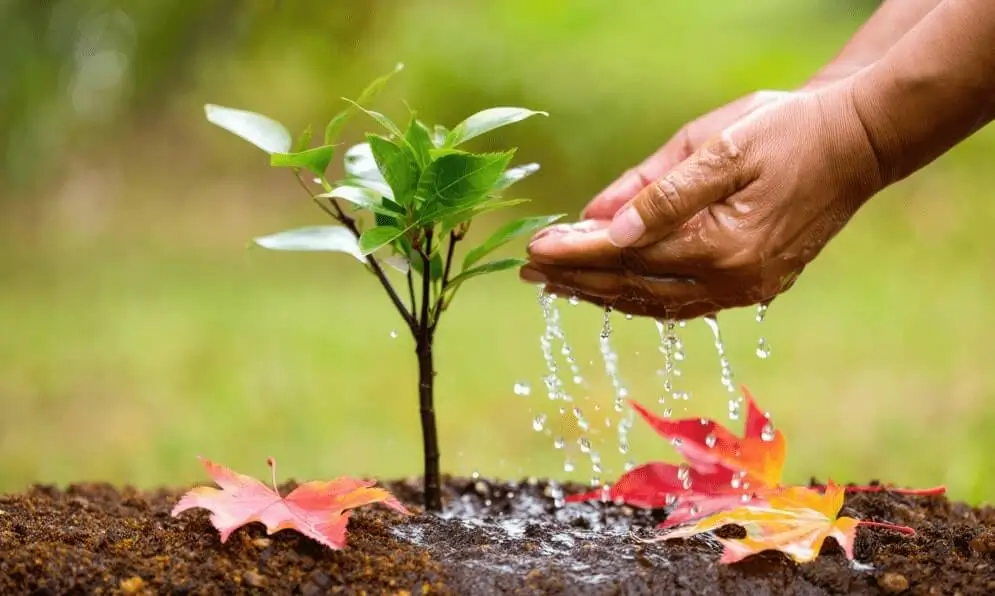
Saving water in the garden does not mean your fruit plants have to struggle. With the right watering methods, soil care, and smart gardening habits, you can reduce water waste while still growing healthy, productive fruit plants in containers, balconies, patios, or small backyard spaces. Whether you are dealing with hot weather, drought conditions, or simply trying to lower your water bill, learning how to save water while gardening can help your plants stay strong and your harvests stay abundant.
Why Saving Water Matters for Container Fruit Gardening
Container fruit gardening is uniquely vulnerable to water waste—and water stress.
Unlike in-ground trees, potted fruit plants:
- Dry out faster
- Have limited root space
- Are exposed on all sides to heat and wind
At the same time, overwatering is one of the most common beginner mistakes, often leading to root rot, nutrient leaching, and weak growth. Learning how to save water while gardening helps you strike the perfect balance: enough moisture for healthy roots, without excess runoff or evaporation.
Water-efficient practices also:
- Promote deeper, stronger root systems
- Reduce fertilizer loss
- Lower the risk of disease
- Make gardening easier during water restrictions
If you’re growing citrus, figs, berries, or dwarf fruit trees in pots, smart water use is one of the most important skills you can master.
Understand Where Water Is Actually Being Wasted
Before changing your routine, it helps to know why water is being lost in container gardens.
The most common sources of water waste:
- Fast-draining or compacted potting mix
- Shallow, frequent watering
- Poor container drainage design
- Bare soil exposed to sun
- Watering at the wrong time of day
Many gardeners assume their plants need more water when, in reality, the water simply isn’t staying where roots can access it.
Improving water efficiency is less about watering more—and more about watering smarter.
Step-by-Step: How to Save Water While Gardening in Containers
1. Choose the Right Containers (Size and Material Matter)
Small or thin containers lose moisture extremely fast.
Water-saving container tips:
- Use larger pots whenever possible (minimum 10–15 gallons for fruit trees)
- Prefer thick plastic, ceramic, or glazed pots over thin terracotta
- Avoid black containers in full sun—they heat up and dry soil quickly
Larger containers hold more soil, which acts as a natural water reservoir and buffers temperature swings.
2. Build a Water-Retentive Potting Mix (This Is Critical)
Most water loss happens inside the potting mix.
A high-quality fruit tree mix should:
- Drain well but hold moisture
- Stay loose and airy
- Resist compaction
Water-saving soil components:
- Coconut coir (excellent moisture retention)
- Compost or worm castings
- Pine bark fines or aged wood chips
- Perlite (in moderation)
Avoid straight peat-based mixes that dry out unevenly. If you want a deeper dive, see our guide on improving watering efficiency for potted fruit trees which explains soil structure in detail.
3. Mulch Every Container (Yes—Even Pots)
Mulching is one of the simplest ways to save water—and one of the most overlooked in container gardening.
Benefits of mulching containers:
- Reduces evaporation by up to 50%
- Keeps roots cooler
- Prevents soil crusting
- Improves moisture consistency
Best mulches for pots:
- Straw or dried grass
- Wood chips
- Shredded bark
- Compost (thin layer)
Apply 3–5 cm of mulch, keeping it slightly away from the trunk.
For a full breakdown, check our article on mulching techniques for container fruit gardening, which compares organic options.
4. Water Deeply, Not Frequently
One of the biggest mistakes beginners make is light, daily watering.
Shallow watering:
- Encourages weak surface roots
- Increases evaporation
- Wastes water through runoff
Instead:
- Water slowly and deeply
- Stop only when water drains from the bottom
- Allow the top few centimeters of soil to dry before watering again
Deep watering trains roots to grow downward, where moisture lasts longer.
If you’ve struggled with soggy soil, our guide on avoiding root rot in potted fruit trees explains how to balance moisture and oxygen correctly.
5. Water at the Right Time of Day
Timing alone can significantly reduce water loss.
Best time:
- Early morning (before 9 a.m.)
Why morning works best:
- Less evaporation
- Plants absorb water before heat stress
- Leaves dry quickly, reducing disease
Avoid evening watering in humid climates—it can encourage fungal problems.
6. Use Simple Water-Saving Tools
You don’t need expensive systems to save water.
Highly effective tools:
- Drip irrigation with timers
- Self-watering containers
- Watering spikes or ollas
- Moisture meters (used as guides, not rules)
Drip systems deliver water directly to roots with minimal loss. Even a gravity-fed setup can dramatically improve efficiency.
7. Group Plants by Water Needs
Not all fruit plants drink the same amount.
By grouping containers with similar water requirements:
- You avoid overwatering drought-tolerant plants
- You reduce unnecessary watering cycles
- You simplify your routine
Citrus, figs, and pomegranates generally prefer less frequent watering than berries or shallow-rooted plants.
Common Water-Wasting Mistakes Beginners Make
🚫 Watering on a schedule instead of checking soil
🚫 Using tiny pots for large fruit plants
🚫 Leaving soil uncovered
🚫 Letting water run straight through dry soil
🚫 Ignoring signs of drought stress
Wilting doesn’t always mean thirst—it can also signal root damage or heat stress. If you’re unsure, our guide on identifying drought stress in container fruit trees helps you read plant signals correctly.
Smart Care Tips That Reduce Water Needs
Prune strategically
Less excess foliage = less water loss through transpiration.
Provide afternoon shade in hot climates
Temporary shade cloth or strategic placement can cut water demand significantly.
Feed properly
Well-fed plants develop stronger roots that access water more efficiently. Avoid over-fertilizing, which increases water demand.
Improve water quality
Salty or poor-quality water can damage roots and reduce absorption efficiency. Learn more in our guide on water quality and its impact on fruit trees in containers.
FAQ: How to Save Water While Gardening
How often should I water container fruit trees?
Water when the top 3–5 cm of soil feels dry, not on a fixed schedule. Frequency depends on weather, pot size, and plant type.
Does mulching really help save water in pots?
Yes. Mulching dramatically reduces evaporation and keeps soil moisture stable, even in small containers.
Are self-watering pots good for fruit trees?
They can be, especially for berries and young trees, but they must have enough soil volume and proper aeration.
Is drip irrigation worth it for small gardens?
Absolutely. Even simple drip systems reduce water waste and improve plant health.
Can I save water during heatwaves?
Yes—mulch heavily, water early, provide shade, and avoid pruning during extreme heat.
Conclusion: Save Water, Grow Better Fruit
Learning how to save water while gardening is one of the smartest investments you can make as a home fruit grower. By improving your soil, choosing the right containers, mulching consistently, and watering with intention, you can dramatically reduce water use without compromising plant health.
Start with one or two changes—larger pots, better mulch, deeper watering—and build from there. Your fruit plants will reward you with stronger growth, better harvests, and fewer problems, all while using less water than ever before.
If you want to take the next step, explore our in-depth guides on watering, mulching, and container care across GrowFruitly to build a truly water-smart fruit garden. 🌱💧