
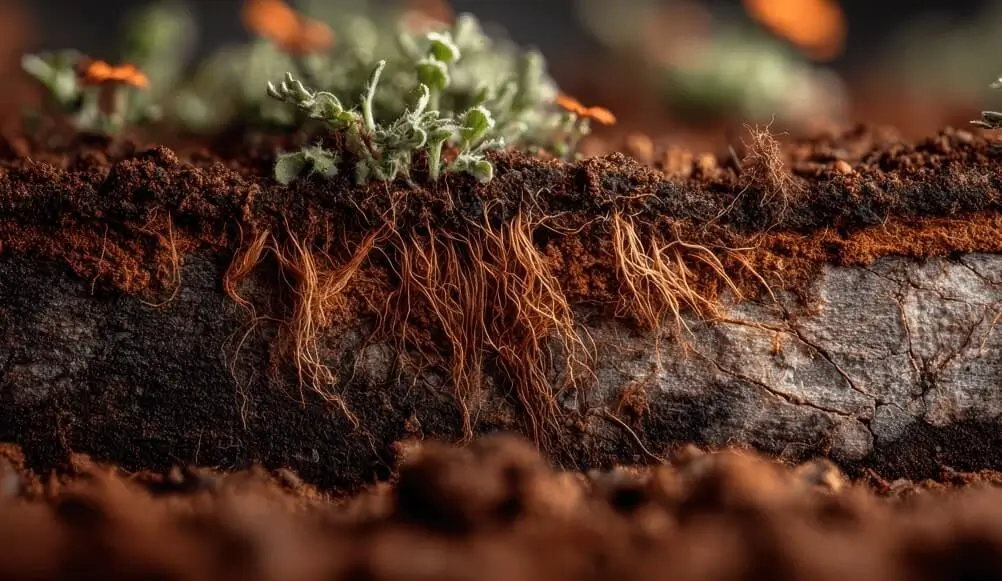
Healthy container fruit gardens depend on more than just watering and fertilizer. Beneath the soil surface, billions of beneficial microorganisms work continuously to support root growth, improve nutrient absorption, and protect plants from disease. Understanding soil life can help gardeners create stronger, healthier fruit plants with better harvests and long-term vitality.
Why Soil Life and Microorganisms Matter for Container Fruit Gardening
Soil Is Alive—Even in Pots
Healthy soil contains billions of living organisms, including bacteria, fungi, protozoa, and beneficial nematodes. Together, they form a soil food web that breaks down organic matter and delivers nutrients directly to plant roots.
In containers, this process is even more important because:
- Roots have limited space.
- Nutrients wash out faster.
- Soil structure degrades more quickly.
Without active soil life, container fruit trees become dependent on constant feeding and are more vulnerable to stress.
How Microorganisms Feed Fruit Tree Roots
Soil microorganisms:
- Convert organic matter into usable nutrients.
- Transport minerals like phosphorus and iron to roots
- Improve nutrient uptake efficiency.
- Protect roots from harmful pathogens.
This is why plants grown in living soil often need less fertilizer, not more.
Strong Soil Life = Strong Roots
Healthy microorganisms improve soil structure, allowing:
- Better drainage without drying out
- Improved oxygen flow to roots
- Reduced compaction over time
If you’ve struggled with soggy pots or weak root systems, improving soil life is often the real solution—especially when combined with practices explained in guides like how to improve poor potting soil.
Understanding the Main Types of Soil Microorganisms
Beneficial Bacteria
- Break down organic matter.
- Convert nitrogen into plant-available forms.
- Improve nutrient cycling
They thrive in moist, well-aerated soil with organic inputs.
Fungi and Mycorrhizae
- Form symbiotic relationships with roots.
- Extend root systems through fungal networks.
- Improve water and phosphorus uptake.
Fruit trees benefit enormously from fungal-dominant soils, especially long-term container specimens.
Protozoa and Microfauna
- Regulate bacterial populations
- Release nutrients through natural predation.
- Improve soil balance
These organisms are often missing in sterile potting mixes.
Step-by-Step: How to Build and Maintain Living Soil in Containers
Step 1: Start With the Right Base Soil
Avoid sterile, peat-only mixes with no organic diversity. Instead:
- Use high-quality potting soil with compost.
- Blend in aged organic matter.
- Choose mixes designed for long-term use in containers.
If you’re starting fresh, follow the principles outlined in organic soil recipes for containers to create a biologically active base.
Step 2: Add Organic Matter Regularly
Microorganisms need food. Feed them with:
- Compost (small amounts)
- Worm castings
- Leaf mould or composted bark
Top-dressing containers every 4–6 weeks maintains activity without disturbing roots.
Step 3: Avoid Chemical Disruptors
Many common products harm soil life:
- Synthetic fertilizers (especially high-salt formulas)
- Chemical fungicides
- Overuse of sterilized soil
If disease is a concern, focus on prevention strategies, such as those discussed in how to avoid root rot, rather than indiscriminately killing microbes.
Step 4: Manage Moisture Carefully
Microorganisms need oxygen and water—too much or too little kills them.
Best practices:
- Use containers with proper drainage holes.
- Allow partial drying between waterings.
- Avoid constantly soggy soil.
Balancing moisture is critical for both roots and microbes.
Step 5: Rebuild Soil Life After Repotting
Repotting disrupts microbial networks. After transplanting:
- Water with compost tea or diluted organic extract
- Add a thin organic mulch layer.
- Avoid fertilizing for 2–3 weeks.
This helps soil life recover quickly.
Tools, Soil Choices, and Care Tips That Support Soil Life
Best Containers for Microbial Health
- Breathable materials (such as fabric and terracotta) improve airflow.
- Larger pots maintain stable moisture and temperature.
- Avoid decorative pots without drainage.
Container choice directly affects microbial survival.
Mulching Containers (Yes, It Works)
A thin mulch layer:
- Protects microbes from heat
- Reduces moisture loss
- Feeds soil organisms slowly
Use compost, shredded leaves, or bark fines.
Fertilizing Without Killing Microbes
Choose:
- Organic, slow-release fertilizers
- Low-salt formulations
- Microbe-friendly amendments
Overfeeding is one of the fastest ways to damage soil biology and can lead to problems similar to those explained in nutrient burn in potted fruit trees.
Common Mistakes Beginners Make With Soil Life
Sterilizing Soil Too Often
While sterilization can be useful in the short term, repeated use kills beneficial organisms and resets soil health to zero.
Treating Containers Like Hydroponics
Feeding plants without feeding soil leads to dependency and declining root health over time.
Ignoring Soil Age
Old container soil becomes compacted and biologically inactive. Learn to recognize signs that your soil needs changing before problems appear.
Using “One-Size-Fits-All” Potting Mixes
Fruit trees have different microbial needs than ornamentals. Tailor soil choices accordingly, especially for indoor setups discussed in the best soil for indoor fruit trees.
FAQ: Soil Life and Microorganisms in Container Gardening
What are soil microorganisms?
They are tiny living organisms—bacteria, fungi, and others—that break down organic matter and deliver nutrients to plant roots.
Can container soil really support living ecosystems?
Yes. With proper care, container soil can host active microbial communities that last for years.
Do I need to buy microbial inoculants?
Not always. Compost and organic matter usually introduce enough microorganisms naturally.
How long does it take to improve soil life?
You’ll often see improvements in plant health within 3–6 weeks of consistent practices.
Is compost tea necessary?
It’s helpful but optional. Healthy soil structure and organic inputs matter more in the long term.
Conclusion: Build Living Soil for Long-Term Success
Healthy container fruit gardening starts underground. By understanding and supporting soil life and microorganisms, you create a self-sustaining system that feeds roots, improves resilience, and reduces maintenance over time. Instead of fighting deficiencies and diseases, you’ll work with nature—even in small spaces.
Next steps:
- Upgrade your potting soil with organic matter.
- Adjust watering to protect microbial balance.
- Choose containers and fertilizers that support living soil.
When soil life thrives, fruit trees reward you with stronger growth, better harvests, and fewer problems season after season.