
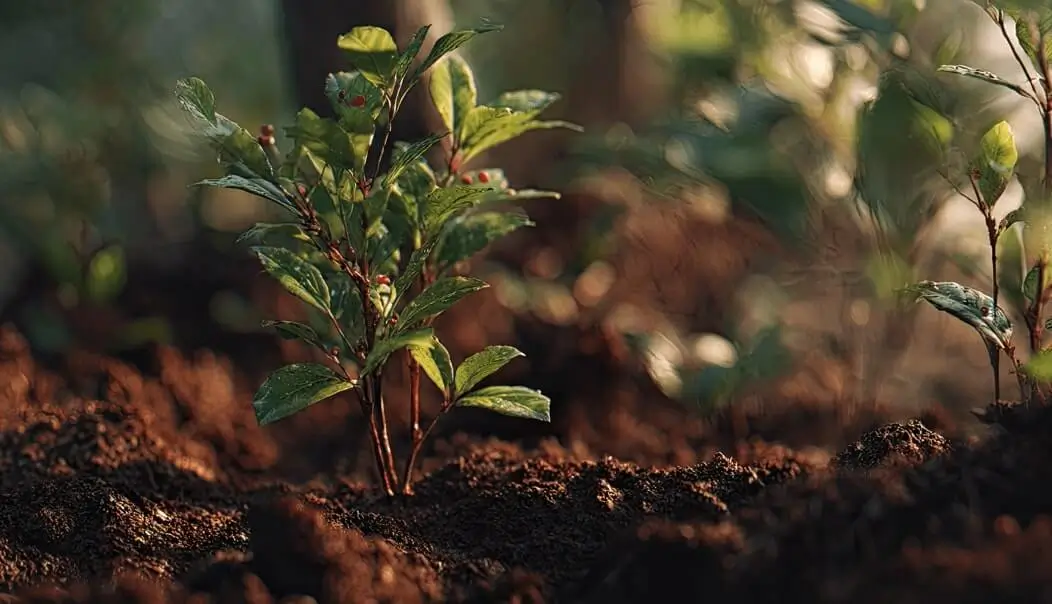
Understanding the best soil pH for fruit trees is one of the most important steps for growing healthy roots, strong branches, and productive harvests. Soil pH affects how well fruit trees absorb nutrients, develop roots, and resist common growing problems in containers and garden beds. When the pH level is too high or too low, even healthy soil and regular fertilizing may not provide the nutrients your fruit trees need.
In this complete guide, you will learn the ideal soil pH range for different fruit trees, how to test soil pH, signs of pH imbalance, and simple ways to adjust your soil naturally for healthier growth and bigger harvests.
Why Soil pH Matters for Fruit Trees (Especially in Containers)
How pH Affects Nutrient Uptake
- Low pH (too acidic):
- Calcium and magnesium become unavailable.
- Roots may weaken
- Aluminum toxicity can occur in extreme cases.
- High pH (too alkaline):
- Iron, zinc, and manganese deficiencies
- Yellow leaves (chlorosis), especially on citrus and stone fruits
Why pH Is More Critical in Pots Than in the Ground
- Watering flushes minerals faster
- Fertilizers change pH more quickly.
- Roots can’t escape unsuitable conditions.
Best Soil pH for Common Fruit Trees
Ideal pH Ranges by Fruit Type
| Fruit Tree Type | Ideal Soil pH |
| Apple | 6.0 – 6.8 |
| Pear | 6.0 – 6.8 |
| Peach | 6.0 – 6.5 |
| Plum | 6.0 – 6.5 |
| Cherry | 6.2 – 6.8 |
| Fig | 6.0 – 6.5 |
| Citrus (lemon, orange) | 6.0 – 6.5 |
| Blueberry | 4.5 – 5.5 |
Important: Blueberries are the main exception. They require acidic soil and should never be grown in the same soil mix as other fruit trees.
How to Test Soil pH (Beginner-Friendly Methods)
Option 1: Soil pH Test Strips (Quick & Cheap)
- Available at garden centers
- Good for routine checks
- Less precise but beginner-friendly
Option 2: Digital Soil pH Meter
- Instant readings
- Reusable
- Must be calibrated for accuracy
Option 3: Home Test Kit (Most Reliable for Containers)
- Includes reagents and colour charts
- Ideal for potting mixes
- Affordable and accurate
- Before planting
- At the start of each growing season
- If your tree shows deficiency symptoms
Step-by-Step: How to Adjust Soil pH for Fruit Trees
Step 1: Start With the Right Soil Mix
- 40% high-quality compost
- 40% coco coir or peat
- 20% perlite or pumice
Step 2: Lower Soil pH (Make Soil More Acidic)
- Elemental sulphur (slow but effective)
- Pine bark fines
- Peat moss
- Coffee grounds (light use only)
Step 3: Raise Soil pH (Make Soil Less Acidic)
- Garden lime (dolomitic lime preferred)
- Crushed eggshells (slow, mild effect)
- Wood ash (very small amounts only)
Common Soil pH Mistakes Beginners Make
1. Assuming All Potting Soil Is “Perfect.”
2. Overusing Fertilizers
3. Ignoring Water Quality
4. Treating Symptoms, Not the Cause
Tools and Care Tips to Maintain Ideal Soil pH
Essential Tools
- Soil pH meter or test kit
- Measuring scoop (for lime or sulphur)
- Quality compost
Smart Maintenance Habits
- Refresh topsoil annually
- Avoid mixing acidic and neutral plants in one pot.
- Use slow-release organic fertilizers.
FAQ: Best Soil pH for Fruit Trees
What is the best soil pH for most fruit trees?
Can fruit trees grow in neutral soil?
How often should I test soil pH in containers?
Does compost change soil pH?
Can I adjust soil pH after planting?
Conclusion: Create the Perfect Soil pH for Long-Term Success
- Test the soil pH of every fruit tree container.
- Adjust slowly using organic amendments.
- Recheck each season and after heavy fertilizing.