
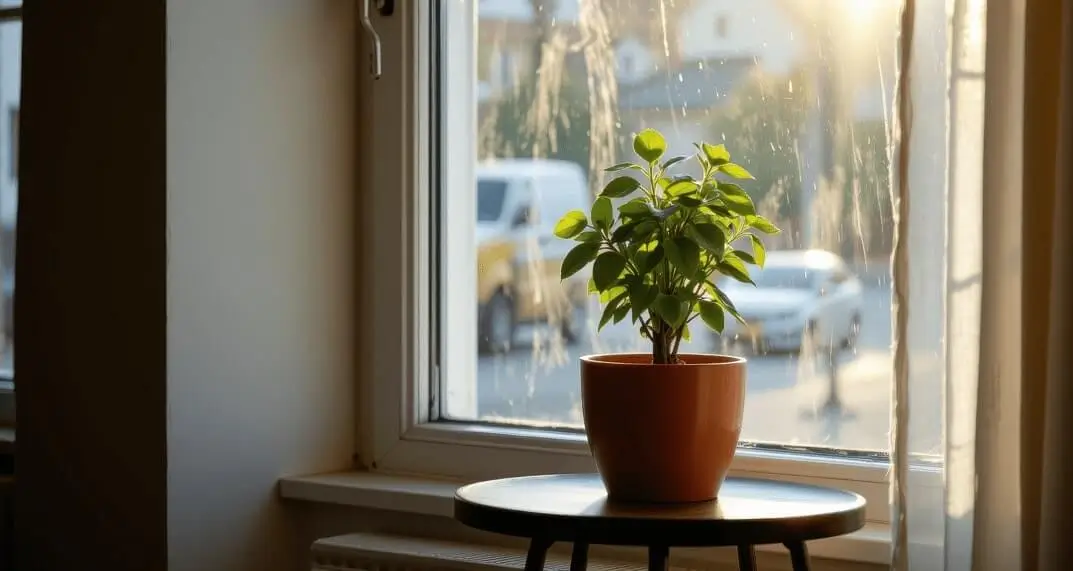
Growing fruit trees in tiny homes or apartments may sound impossible, but windowsill gardening can make it surprisingly achievable. Many beginner gardeners wonder whether sunlight, space, and container size are enough to support healthy fruit trees indoors. The good news is that certain dwarf and compact fruit varieties can adapt well to windowsill environments when given proper care. This practical guide explains how to grow fruit trees on windowsills, which varieties work best, and how to maximize light, watering, and indoor growing conditions for long-term success.
Why Growing Fruit Trees on Windowsills Matters
Windowsill fruit growing matters because it removes the biggest barrier to gardening: space. For renters, urban dwellers, or anyone without a balcony, a windowsill may be the only growing area available.
Unlike outdoor container gardening, windowsill growing:
- Allows year-round access to your plants
- Protects trees from extreme weather
- Encourages beginners to start small and learn gradually
However, windowsills are also one of the most restrictive environments for fruit trees. Light levels, root space, humidity, and airflow are all limited. Understanding these constraints helps you decide whether a windowsill is suitable — or whether transitioning later to a balcony or patio is the smarter long-term plan.
If you’re completely new to this method, it helps to first understand the basics of container fruit gardening for renters, since many of the same principles apply indoors.
Can You Really Grow Fruit Trees on a Windowsill?
The short answer: you can grow small fruit trees on a windowsill, but not all fruit trees, and not indefinitely without care adjustments.
Windowsills work best for:
- Young or dwarf fruit trees
- Naturally compact or slow-growing species
- Citrus and tropical fruit are adapted to containers.
They are not ideal for:
- Full-size fruit trees
- Long-term heavy fruit production
- Low-light homes
Most successful windowsill growers treat this setup as either:
- A long-term home for compact trees, or
- A starting stage before moving trees to larger containers or brighter spaces
Understanding container size and root depth is critical here. If you’re unsure how much space roots need, the guide on how deep containers should be for fruit trees explains this in detail.
Best Fruit Trees You Can Grow on a Windowsill
Not all fruit trees tolerate the low light and confined roots of a windowsill. Choose wisely.
Best Choices for Beginners
1. Dwarf Citrus Trees
- Lemon (especially Meyer lemon)
- Calamondin orange
- Lime
These thrive with bright light and adapt well to containers. They are also self-pollinating.
2. Fig Trees (Compact Varieties)
Figs tolerate container life better than most fruit trees and handle pruning well.
Figs tolerate container life better than most fruit trees and handle pruning well.
3. Strawberries (Technically Not Trees)
Perfect for windowsills and a great confidence booster for beginners.
Perfect for windowsills and a great confidence booster for beginners.
4. Mini or Columnar Fruit Trees
Specifically bred for small spaces, these stay compact longer.
Specifically bred for small spaces, these stay compact longer.
Avoid apples, pears, peaches, and cherries unless they are true dwarf varieties and you’re prepared to move them later.
Step-by-Step: How to Grow Fruit Trees on a Windowsill Successfully
Step 1: Choose the Right Window
South-facing windows are ideal. East-facing can work. North-facing windows rarely provide enough light.
Minimum requirement:
- 6–8 hours of bright, direct or very strong indirect light
If your light is weak, supplementing with grow lights becomes essential.
Step 2: Select the Right Container
Container choice determines success more than almost anything else.
Ideal windowsill containers:
- 20–30 cm (8–12 inches) deep
- Excellent drainage holes
- Lightweight but stable
Avoid decorative pots without drainage. If you’re still deciding between materials, the article on choosing the right container material for fruit trees breaks down the pros and cons.
Step 3: Use the Correct Soil Mix
Never use garden soil indoors.
Best soil mix:
- High-quality potting mix
- Added perlite or pumice for drainage
- A small amount of compost for nutrients
Healthy soil prevents root rot — the most common cause of indoor fruit tree failure. For a deeper breakdown, see the best soil for growing fruit in containers.
Step 4: Water Correctly (This Is Critical)
Overwatering kills more windowsill fruit trees than underwatering.
Water only when:
- The top 2–3 cm (1 inch) of soil is dry.
- The pot feels noticeably lighter.
Always empty drip trays after watering.
Step 5: Feed Lightly but Consistently
Indoor fruit trees still need nutrients, but less than outdoor ones.
- Use diluted liquid fertilizer every 2–3 weeks.
- Focus on balanced nutrients (not high nitrogen only)
If you’re unsure how to feed properly, follow a structured approach like the one in ” How to feed potted fruit trees step by step.
Common Mistakes Beginners Make
1. Choosing the Wrong Tree
Large or fast-growing fruit trees quickly outgrow windowsills.
2. Assuming Any Light Is Enough
Bright rooms aren’t the same as direct sunlight.
3. Overwatering
Indoor soil dries slower — patience is key.
4. Ignoring Pruning
Without pruning, even dwarf trees become unmanageable indoors.
5. Expecting Huge Harvests
Windowsill fruit growing is about quality, not quantity.
Tools and Care Tips That Make a Big Difference
Helpful tools include:
- Full-spectrum LED grow lights.
- Moisture meters (used cautiously)
- Pruning shears for size control
- Humidity trays in dry homes
Some gardeners also use self-watering containers, but these require careful monitoring. If you’re curious, explore self-watering containers for fruit trees before trying one indoors.
FAQ: Growing Fruit Trees on Windowsills
Can fruit trees actually produce fruit on a windowsill?
Yes, especially citrus and figs, but yields are smaller than those of outdoor trees.
Do windowsill fruit trees need pollination?
Most recommended indoor varieties are self-pollinating.
How long can a fruit tree stay on a windowsill?
Some can live there for years; others need to be upgraded to larger spaces after 1–3 years.
Is artificial light enough for fruit trees?
Yes, when using full-spectrum grow lights for 10–14 hours daily.
Will indoor fruit trees attract pests?
Occasionally. Regular leaf checks and good airflow reduce risk.
Conclusion: Is Growing Fruit Trees on Windowsills Worth It?
Growing fruit trees on windowsills is possible, rewarding, and practical — when done with realistic expectations. It’s not about replacing an orchard but about enjoying fresh fruit in the smallest spaces available.
Start with compact varieties, prioritize light and drainage, and accept modest harvests. As your confidence grows, you may eventually move your trees to balconies, patios, or larger containers — but a windowsill is a powerful place to begin.
If you’re ready to expand beyond a single window, exploring fruit gardening in limited space is the natural next step toward a thriving mini orchard at home. 🌱🍋