
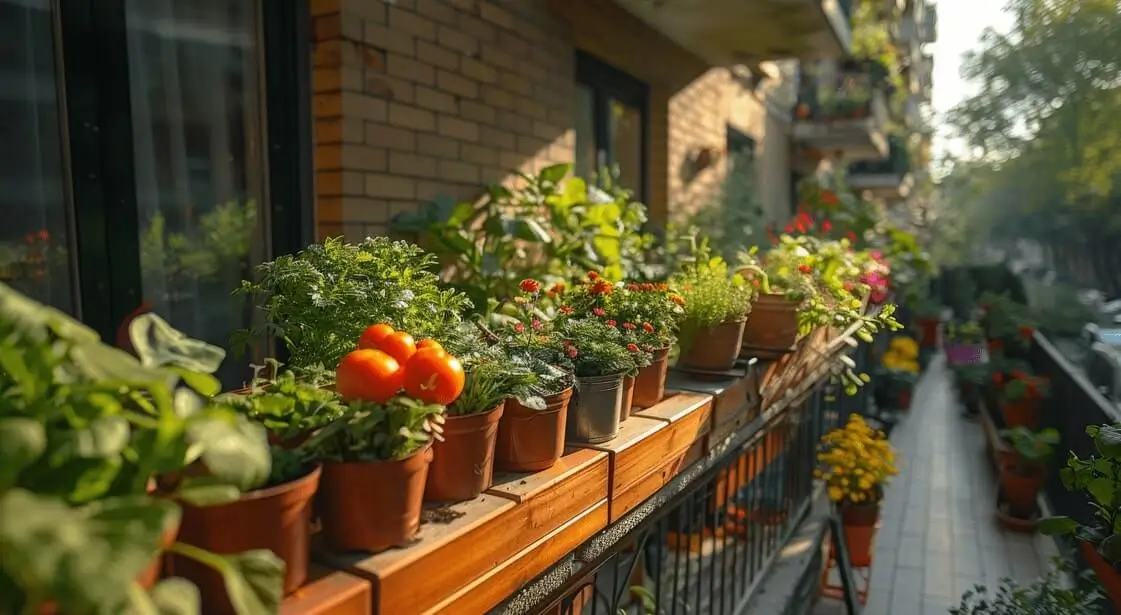
Choosing the right container is one of the most important steps for growing healthy fruit trees on a balcony. The best pots for balcony fruit trees provide enough root space, proper drainage, insulation from heat, and long-term stability in windy or sunny conditions. Whether you grow lemons, oranges, figs, strawberries, or dwarf apples, selecting the right container can improve growth, watering balance, and fruit production. In this guide, you’ll learn how to choose containers that actually work for balcony gardening success.
Why Choosing the Right Containers Matters for Balcony Fruit Trees
Balconies create unique growing conditions that differ significantly from those in gardens or patios. The container you choose directly affects:
- Root development and long-term tree health
- Water retention and drainage balance
- Temperature stability for sensitive roots
- Wind resistance and plant stability
- How often do you need to water and fertilize
Fruit trees are long-term plants. A poor container choice can stunt growth for years, while the right pot can support a healthy tree for a decade or more.
If you’re also planning your overall setup, pairing the right pot with the best fruits to grow on balconies ensures success from day one.
Key Factors That Define the Best Containers for Balcony Fruit Trees
Container Size: Bigger Is Almost Always Better
One of the most common beginner mistakes is choosing containers that are too small.
Minimum recommended sizes:
- Dwarf fruit trees: 10–15 gallons (38–57 L)
- Semi-dwarf fruit trees: 20–25 gallons (75–95 L)
- Citrus trees: 15–25 gallons, depending on variety
Larger containers:
- Reduce watering frequency
- Support stronger root systems.
- Improve nutrient availability
- Increase fruit yield and size.
If space is limited, prioritize depth over width—deep pots allow roots to grow downward naturally.
Drainage: Non-Negotiable for Healthy Roots
No matter how attractive a pot looks, it’s unsuitable if it lacks proper drainage.
Always ensure:
- At least 3–5 large drainage holes
- No permanently attached saucers trapping water
- Free water flow after irrigation
Poor drainage leads to root rot, fungal diseases, and nutrient lockout. This is especially critical if you’re learning how often to water fruit trees in containers, where excess moisture is a common issue.
Best Container Materials for Balcony Fruit Trees (Pros & Cons)
Plastic Pots: Best Overall Choice for Balconies
Pros
- Lightweight (safe for balconies)
- Affordable and widely available
- Retains moisture well
- Easy to move
Cons
- Can overheat in direct sun (choose light colours)
- Less decorative than ceramic
Best for: Beginners, renters, windy balconies, large trees
Fabric Grow Bags: Excellent for Root Health
Pros
- Superior drainage and aeration
- Prevent root circling
- Very lightweight
Cons
- Dry out faster
- Less visually appealing
- Shorter lifespan (3–5 years)
Best for: Hot climates, citrus trees, frequent movers
Terracotta & Ceramic Pots: Beautiful but Risky
Pros
- Excellent airflow
- Decorative and stylish
Cons
- Very heavy
- Dry out quickly
- Can crack in cold climates
Best for: Small dwarf trees, sheltered balconies
Wooden Planters: Natural & Insulated
Pros
- Good temperature regulation
- Attractive natural look
Cons
- Heavy when filled
- Requires rot-resistant wood
- Limited lifespan without liners
Best for: Permanent setups with strong balcony support
Step-by-Step: How to Choose the Best Container for Your Balcony
Step 1: Measure Your Balcony Space & Weight Capacity
Before buying any container:
- Measure floor space and height clearance.
- Consider railing height and wind exposure.
- Avoid placing heavy pots near edges.
Balconies vary in load limits, so lightweight containers are often the safest option.
Step 2: Match Container Size to Tree Type
Choosing dwarf or compact varieties is essential. This works best alongside dwarf fruit trees for small spaces, which are bred specifically for container growing.
Quick match guide:
- Citrus (lemon, lime): 15–25 gallons
- Apple (dwarf): 20 gallons
- Fig: 15–20 gallons
- Peach (compact): 20–25 gallons
Step 3: Choose Light Colours for Sun-Exposed Balconies
Dark containers absorb heat, which can:
- Damage roots
- Increase watering needs
- Stress fruit trees in summer
Light gray, beige, or white pots help keep roots cooler.
Soil & Container Pairing: A Critical Combination
Even the best container will fail with poor soil.
Use a high-quality potting mix designed for fruit trees, never garden soil. The ideal mix:
- Drains freely
- Retains moisture without waterlogging
- Contains organic matter
For best results, pair your container with the best soil for fruit trees in balcony containers, ensuring the roots get both oxygen and nutrients.
Common Beginner Mistakes to Avoid
Choosing Pots That Are Too Small
Small containers lead to:
- Constant watering
- Nutrient deficiencies
- Stunted growth
Ignoring Drainage
A beautiful pot without drainage is a silent tree killer.
Using Decorative Cache Pots Only
Always plant directly into a functional pot—decorative outer pots should remain optional covers.
Overcrowding Multiple Trees
One container = one fruit tree. Crowding reduces airflow and productivity.
Tools & Accessories That Improve Container Performance
- Pot feet: Improve drainage and airflow
- Rolling caddies: Move heavy trees easily
- Drip trays: Protect balcony floors
- Mulch: Reduces moisture loss.
Proper tools reduce maintenance and extend container lifespan.
Maintenance Tips for Long-Term Success
- Repot every 3–5 years.
- Refresh topsoil annually
- Prune roots lightly when repotting.
- Monitor moisture weekly
If you’re managing multiple trees, mastering the best way to water potted fruit trees will dramatically improve container performance.
FAQ: Best Containers for Balcony Fruit Trees
What is the best container size for balcony fruit trees?
Most fruit trees need at least 15–20 gallons to grow and fruit properly on a balcony.
Are plastic pots safe for growing fruit?
Yes. Food-safe plastic pots are widely used and ideal for balconies due to their lightweight.
Can I grow fruit trees in fabric grow bags on a balcony?
Absolutely. They’re excellent for drainage but require more frequent watering.
Do fruit trees need deep pots?
Yes. Depth is more important than width for strong root development.
How long can fruit trees live in containers?
With proper care and occasional repotting, container fruit trees can live and produce for 10+ years.
Conclusion: Choose Containers That Support Long-Term Growth
The best containers for balcony fruit trees aren’t just about looks—they’re about root health, stability, and sustainability. By choosing the right size, material, and drainage setup, you create a foundation for years of healthy growth and delicious harvests.
Start by selecting lightweight, well-draining containers, pair them with quality soil, and match them to the right fruit varieties. With smart choices and consistent care, your balcony can become a productive fruit garden—no backyard required.