
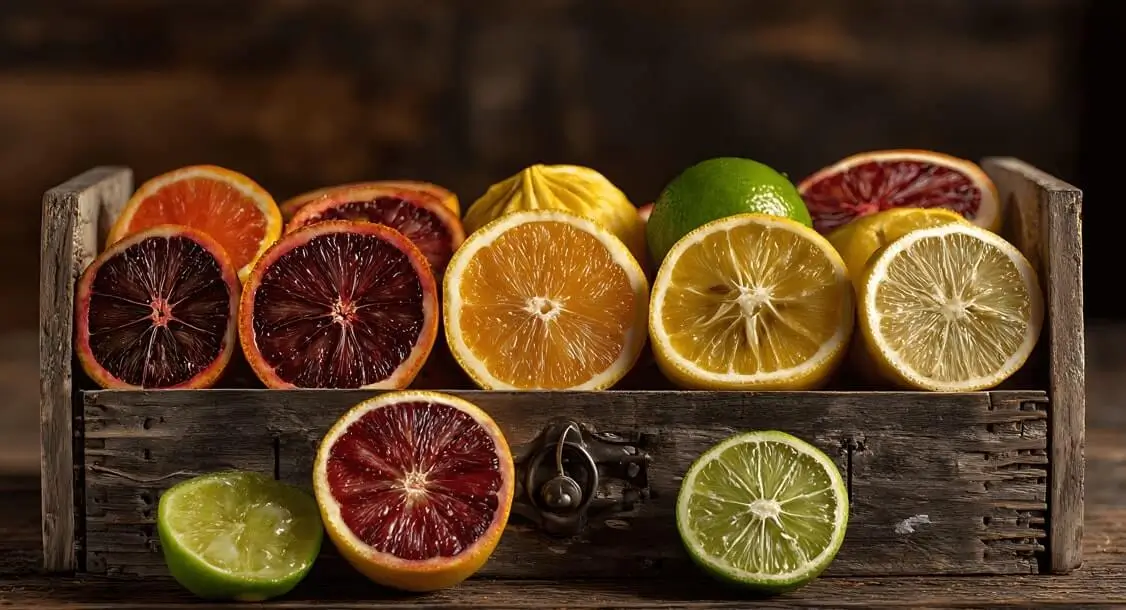
Growing citrus fruits in containers is one of the easiest and most rewarding ways to enjoy fresh lemons, limes, oranges, and other delicious fruits at home. Whether you have a balcony, patio, rooftop, or small backyard, container citrus gardening allows you to grow healthy trees even in limited spaces. With the right pot, soil, sunlight, and care routine, beginner gardeners can successfully cultivate thriving citrus trees almost anywhere. This complete guide will teach you everything you need to know about choosing the best citrus varieties, planting them in containers, watering correctly, and keeping your trees productive year-round.
What Does It Mean to Grow Citrus Fruits in Containers?
Growing citrus fruits in containers simply means cultivating citrus trees in pots rather than planting them directly in the ground. This method is ideal for:
- Apartment balconies and patios
- Small urban gardens
- Cold or variable climates
- Beginners who want manageable plants
Container-grown citrus trees stay smaller, are easier to move, and allow precise control over water, nutrients, and soil quality. With proper care, they can produce just as much fruit as in-ground trees—sometimes even more consistently.
Why Citrus Fruits Thrive in Containers
Better Control Over Growing Conditions
When citrus trees grow in pots, you control everything:
- Soil composition
- Drainage
- Feeding schedule
- Exposure to sunlight
This makes container fruit gardening for beginners far less intimidating than managing in-ground trees.
Mobility and Climate Protection
One of the biggest advantages is portability. You can:
- Move trees indoors during frost.
- Shift pots to follow the sun.
- Protect plants from wind or heavy rain.
This flexibility dramatically increases success rates, especially in non-tropical regions.
Best Citrus Fruits for Containers
Not all citrus trees are equally suited for pots. Choose naturally compact or dwarf varieties for best results.
Top Citrus Varieties for Container Growing
- Lemon (Meyer Lemon is ideal)
- Lime (Key Lime, Persian Lime)
- Mandarin & Clementine
- Calamondin Orange
- Kumquat
These varieties adapt well to limited root space and remain productive in containers.
Choosing the Right Pot for Citrus Trees
Pot Size Matters
Start with a pot that is:
- 12–16 inches wide for young trees
- 18–24 inches wide for mature trees
A pot that’s too small restricts roots, while one that’s too large may hold excess moisture.
Best Pot Materials
| Material | Pros | Cons |
| Terracotta | Breathable, classic look | Dries out faster |
| Plastic | Lightweight, affordable | Less breathable |
| Fabric grow bags | Excellent drainage | Shorter lifespan |
| Ceramic | Attractive, stable | Heavy, expensive |
Always choose pots with drainage holes—this is non-negotiable for citrus health.
The Best Soil for Citrus Fruits in Containers
Citrus trees hate soggy roots. Using regular garden soil is one of the most common mistakes beginners make.
For optimal results, follow the guidelines outlined in the best soil for fruit in pots, which emphasize:
- Fast drainage
- Light texture
- Slightly acidic pH (6.0–6.5)
Ideal Citrus Soil Mix (DIY Option)
- 40% high-quality potting mix
- 30% pine bark fines or coco coir
- 20% perlite or pumice
- 10% compost
This blend keeps roots oxygenated while retaining enough moisture.
Step-by-Step: How to Plant Citrus Fruits in Containers
Step 1: Prepare the Pot
- Cover drainage holes with mesh (not rocks)
- Fill with soil mix, leaving room for the root ball.
Step 2: Position the Tree
- Keep the graft union above soil level.
- Center the tree in the pot.
Step 3: Backfill and Water
- Gently fill the soil around the roots.
- Water deeply until the excess drains out
Step 4: Place in Full Sun
- Minimum 6–8 hours of sunlight daily
Sunlight Requirements for Container Citrus
Citrus trees are sun lovers. Without enough light, you’ll see:
- Yellowing leaves
- Poor flowering
- No fruit set
Balconies facing south or west are ideal. Indoors, place trees near large windows or supplement with grow lights.
Watering Citrus Fruits in Containers Correctly
Watering is the most misunderstood part of citrus care.
Follow principles outlined in a proper watering schedule for potted fruit, focusing on consistency rather than frequency.
Key Watering Rules
- Water deeply until runoff appears
- Allow the top 2–3 inches of soil to dry.
- Reduce watering in winter.
- Increase during flowering and fruiting
Overwatering causes root rot; underwatering causes leaf drop and bitter fruit.
Fertilizing Citrus Fruits in Containers
Container-grown citrus depend entirely on you for nutrients.
According to best practices for fertilizing fruit trees in containers, citrus needs:
- Nitrogen for leafy growth
- Potassium for fruit quality
- Magnesium and iron for leaf colour
Fertilizer Schedule
- Spring to summer: every 4–6 weeks
- Fall: reduce feeding
- Winter: stop or minimal feeding
Use citrus-specific fertilizers or balanced slow-release formulas.
Common Mistakes to Avoid
1. Using Garden Soil
It compacts easily and suffocates roots.
2. Poor Drainage
Even one watering mistake can damage roots.
3. Too Little Sun
Less than 6 hours leads to weak growth.
4. Ignoring Root Bound Signs
If growth stalls, it’s time to repot.
Seasonal Care Tips for Container Citrus
Winter Care
- Move indoors if temperatures drop below 40°F (4°C)
- Reduce watering
- Place near a bright light
Summer Care
- Increase watering frequency
- Watch for heat stress.
- Mulch the surface to retain moisture.
Pest and Disease Management
Common pests include:
- Aphids
- Spider mites
- Scale insects
Control methods:
- Neem oil sprays
- Insecticidal soap
- Regular leaf inspection
Healthy, well-fed citrus trees are naturally more resistant.
FAQ: Citrus Fruits in Containers
Can citrus fruits grow indoors year-round?
Yes, with sufficient sunlight or grow lights and proper watering.
How long before container citrus produces fruit?
Most grafted trees fruit within 1–3 years.
Do container citrus trees need pruning?
Light pruning improves airflow and shape, but it isn’t mandatory.
Can I grow citrus in cold climates?
Yes. Containers allow you to move trees indoors during winter.
How often should I repot citrus trees?
Every 2–3 years, or when roots circle the pot.
Conclusion: Start Growing Citrus Fruits in Containers with Confidence
Growing citrus fruits in containers is one of the most rewarding ways to enjoy fresh fruit at home—no large garden required. With the right pot, soil, sunlight, and care routine, even beginners can succeed. Start small, observe your tree’s needs, and adjust as you go.
If you’re ready to take the next step, explore more guides on GrowFruitly.com to build your skills and grow a thriving container fruit garden—one pot at a time 🍋🌱