
Winter watering can be confusing for beginner gardeners, especially when it comes to potted fruit trees. While trees need less water during colder months, containers dry out differently than garden soil and still require proper moisture management. Learning how to water potted fruit trees in winter helps prevent root rot, dehydration, frost damage, and unhealthy growth. This complete beginner’s guide explains when, how, and how often to water fruit trees in containers during winter so your plants stay healthy until spring.
Understanding Winter Water Needs for Potted Fruit Trees
Why Winter Watering Is Different
During winter, fruit trees enter a phase of reduced metabolic activity. This doesn’t mean they stop functioning—it means they slow down.
Key winter changes include:
- Slower root water uptake
- Reduced evaporation from the soil
- Less transpiration due to leaf drop (deciduous trees)
- Colder, wetter soil that drains more slowly
Because containers restrict airflow and drainage compared to ground soil, watering mistakes are more dangerous in pots.
Dormancy vs. Evergreen Growth
- Deciduous trees (apple, pear, peach): fully dormant, leafless
- Evergreen or semi-evergreen trees (citrus, fig in mild climates): still transpire lightly
This difference plays a major role in how often you should water.
Watering Potted Fruit Trees in Winter: What Changes?
How Much Water Do Potted Fruit Trees Need in Winter?
Compared to summer, winter watering is about moisture maintenance rather than growth stimulation.
General Winter Rule of Thumb
- Soil should be slightly moist, never soggy.
- Allow the top 2–3 inches of soil to dry before watering.
- Water deeply but infrequently
If you already follow a structured watering schedule for potted fruit, winter is the season when that schedule must be adjusted rather than followed blindly.
Step-by-Step: How to Water Potted Fruit Trees in Winter
Step 1: Check Soil Moisture Properly
Never rely on appearance alone.
Best methods:
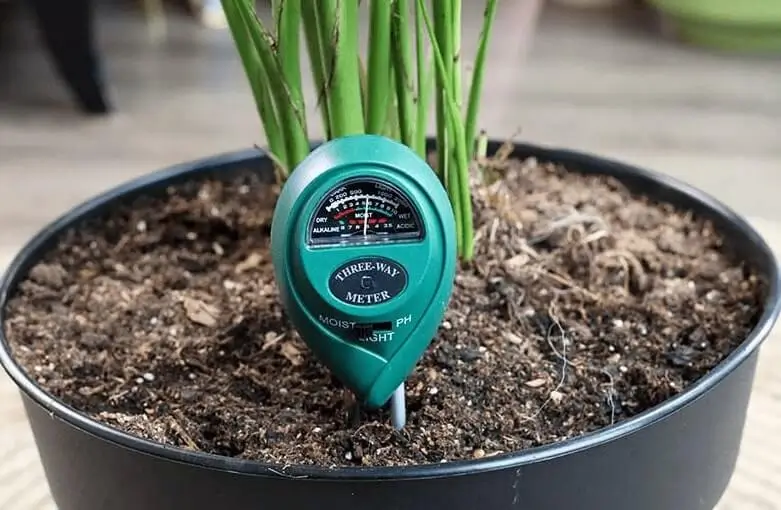
- Insert your finger 2–3 inches deep.
- Use a wooden stick or a moisture meter.
- Lift the pot—dry soil feels lighter.
If the soil below the surface is still damp, do not water.
Step 2: Choose the Right Time of Day
Watering timing matters more in winter.
✔ Best time:
- Late morning to early afternoon
✖ Avoid:
- Evening watering (risk of freezing roots)
- Early morning during frost
Step 3: Water Slowly and Evenly
When watering:
- Use room-temperature water
- Water until excess drains from the bottom
- Discard runoff—never let pots sit in water.
This protects roots while maintaining oxygen flow.
Step 4: Adjust Based on Location
Where your pots are kept makes a big difference:
| Location | Watering Frequency |
| Outdoors, exposed | Every 3–5 weeks |
| Outdoors, sheltered | Every 4–6 weeks |
| Garage / unheated greenhouse | Every 4–8 weeks |
| Indoors (bright, cool room) | Every 2–4 weeks |
For gardeners new to container fruit gardening, awareness of location is one of the most overlooked winter skills.
Best Practices for Winter Watering Success

Improve Drainage Before Winter
Healthy winter watering starts with soil structure. If your mix holds too much moisture, roots will suffer.
A well-draining mix—like the one explained in the best soil for fruit in pots—should include:
- Pine bark or coco coir
- Perlite or pumice
- Minimal garden soil
Mulch Lightly (But Don’t Overdo It)
Mulch helps:
- Reduce moisture loss
- Insulate roots
- Prevent freeze-thaw cycles
Use:
- Straw
- Bark chips
- Wood mulch (1–2 inches max)
Avoid piling mulch against the trunk.
Elevate Pots Off Cold Ground
Place containers on:
- Pot feet
- Bricks
- Wooden blocks
This improves drainage and reduces cold stress.
Common Winter Watering Mistakes (And How to Avoid Them)
❌ Overwatering Dormant Trees
This is the #1 killer of potted fruit trees in winter.
Signs:
- Mushy roots
- Foul-smelling soil
- Yellowing leaves on evergreens
Solution: Water only when the soil below the surface is dry.
❌ Watering on a Fixed Schedule
Calendars don’t account for:
- Rainfall
- Temperature swings
- Pot size
Always water based on soil condition, not dates.
❌ Ignoring Pot Size
Smaller pots:
- Dry faster indoors
- Freeze faster outdoors
Larger pots:
- Hold moisture longer
- Require fewer waterings
Adjust accordingly.
Winter Watering by Fruit Tree Type
Citrus Trees in Pots
Citrus remains semi-active in winter.
- Water slightly more often than dormant trees
- Soil should never fully dry out.
- Reduce watering gradually, not suddenly.
Apple, Pear, Peach (Deciduous)
- Minimal watering required
- Keep the soil barely moist.
- Too much water causes root rot.
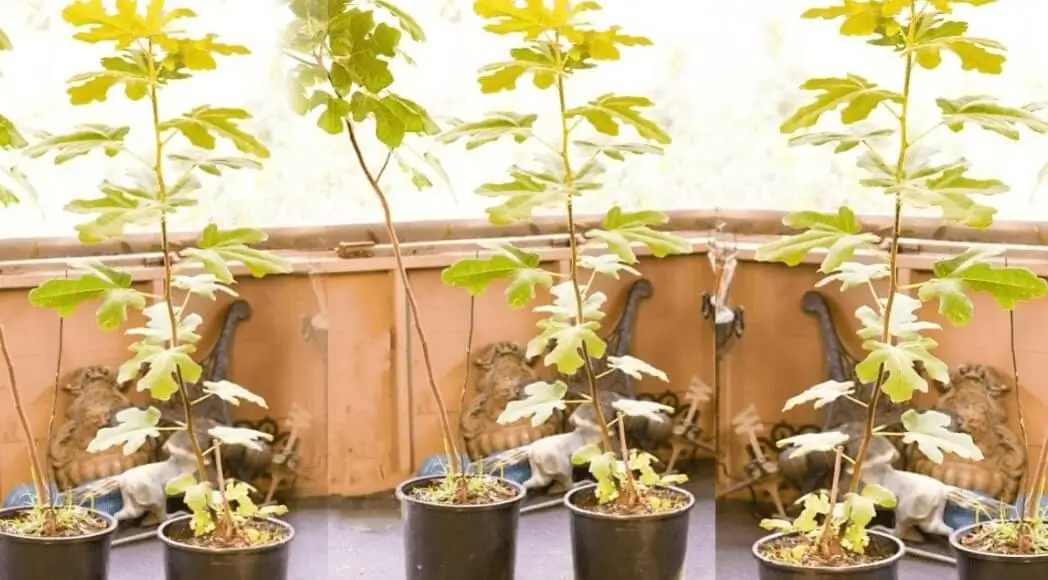
Fig Trees in Containers
- Fully dormant in cold climates
- Water lightly every 4–6 weeks
- Avoid soaking dry soil suddenly.
Should You Fertilize While Watering in Winter?
No. Winter watering is not feeding time.
Applying fertilizer during dormancy can:
- Burn roots
- Disrupt dormancy
- Promote weak growth
Resume feeding in early spring using proper methods outlined in fertilizing fruit trees in containers.
Outdoor vs Indoor Winter Watering
Outdoor Containers
- Rely partly on rainfall.
- Protect from excessive rain.
- Check drainage after storms.
Indoor Containers
- Dry air increases moisture loss.
- Monitor soil more frequently.
- Avoid placing near heaters.
FAQ: Watering Potted Fruit Trees in Winter
How often should I water potted fruit trees in winter?
Most trees need water every 3–6 weeks, depending on temperature, pot size, and location. Always check soil moisture first.
Can potted fruit trees survive winter without watering?
No. Even dormant trees need occasional moisture to keep roots alive.
Should I water potted fruit trees before a freeze?
Yes—but only if the soil is dry and temperatures are above freezing during the day.
Is rain enough for outdoor potted fruit trees?
Sometimes, but not always. Covered patios or overhangs may block rain entirely.
What’s worse in winter: overwatering or underwatering?
Overwatering is far more dangerous and causes most winter losses.
Conclusion: Keep Winter Watering Simple and Intentional
Watering potted fruit trees in winter doesn’t need to be complicated—but it does require awareness. By understanding dormancy, checking soil moisture, and adjusting for location and fruit type, you can protect your trees through the coldest months.
Remember:
- Water less often, but never ignore moisture completely.
- Prioritize drainage and soil health.
- Avoid fertilizers until spring.
As you prepare for the next growing season, explore more beginner-friendly guides on GrowFruitly to master container fruit care year-round 🌱