
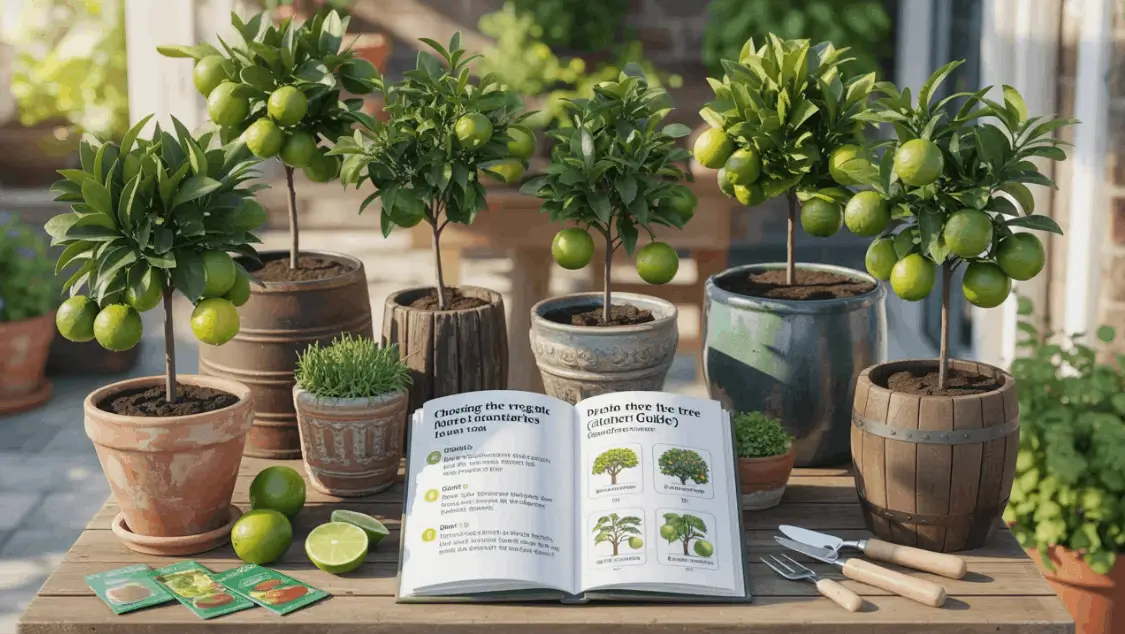
A helpful guide to picking the best lime tree for your space, climate, and gardening goals.
Not all lime tree varieties are suitable for container growing.
Choosing the wrong type can lead to:
- Poor fruit production
- Trees that outgrow their pots
- Difficult maintenance
- Disappointing harvests
The good news? Once you understand which lime varieties work best in pots—and why—you can pick a tree that thrives in small spaces and produces juicy fruit for years.
Let’s break it down step by step.
Why Choosing the Right Lime Variety Matters
When growing in containers, you’re working with limited space, soil, and nutrients. That means your lime tree must:
- Stay relatively compact
- Adapt well to restricted root space
- Produce fruit reliably in pots
- Be manageable for pruning and care
Some lime trees grow too large or need conditions that are hard to replicate in containers. Choosing the right variety from the start saves you years of frustration.
Best Lime Tree Varieties for Containers
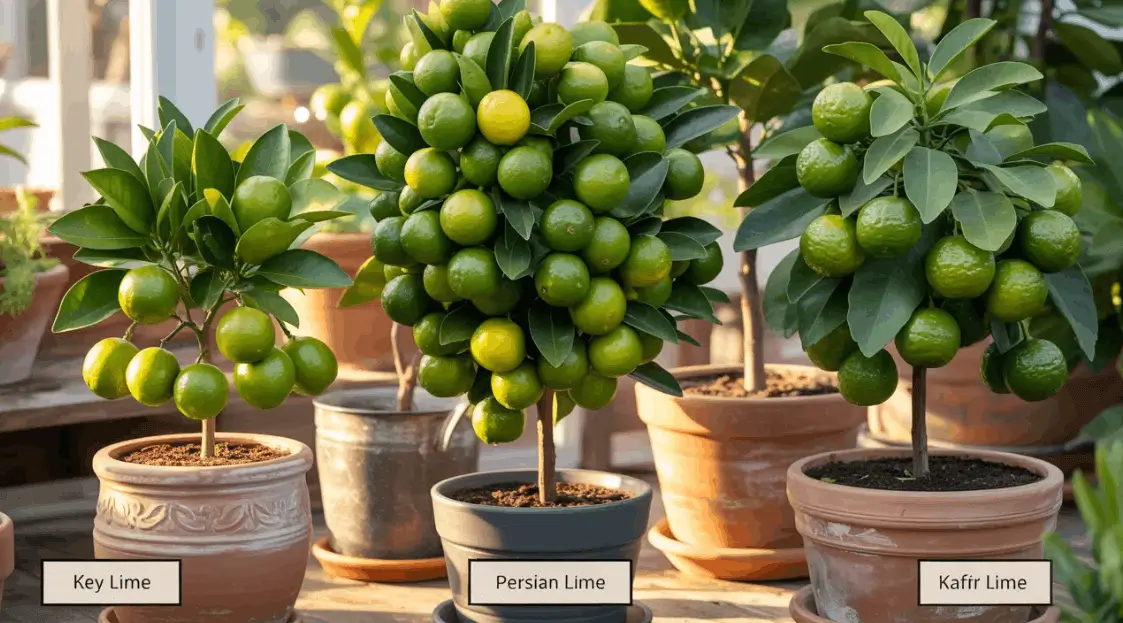
1. Dwarf Key Lime (Mexican Lime)
Why it’s great for containers
This is one of the most popular choices for beginners.
- Naturally smaller growth habit
- Produces fragrant, flavorful fruit
- Can adapt well to pots
Key characteristics
- Size: 6–10 feet (smaller in containers)
- Fruit: Small, very aromatic, slightly tart
- Growth: Bushy and compact
Things to watch
- Sensitive to cold
- Has thorns (handle carefully)
👉 Best for: Warm climates, patios, and indoor sunny spots
2. Dwarf Persian Lime (Tahiti Lime)
Why it’s a top choice
If you want a low-maintenance, beginner-friendly option, this is ideal.
- Thornless (or very few thorns)
- Larger fruit
- More tolerant of different conditions
Key characteristics
- Size: 8–12 feet (manageable in pots)
- Fruit: Larger, seedless, less acidic
- Growth: Upright and tidy
Things to watch
- Needs regular pruning to stay compact
👉 Best for: Beginners who want easy care and consistent harvests
3. Kaffir Lime (Makrut Lime)
Why it stands out
This variety is grown more for its leaves than its fruit.
- Leaves are widely used in cooking
- Unique double-leaf shape
- Compact growth
Key characteristics
- Size: 5–8 feet
- Fruit: Bumpy, less commonly used
- Leaves: Highly aromatic
Things to watch
- Slower growth compared to other lime trees
👉 Best for: Culinary gardeners and small-space herb + fruit setups
4. Australian Finger Lime
Why it’s interesting
A unique choice for container gardeners
- Produces “citrus caviar” fruit
- Compact and adaptable
- Great conversation piece
Key characteristics
- Size: 6–10 feet
- Fruit: Finger-shaped with bead-like pulp
- Growth: Dense and shrubby
Things to watch
- Needs good light to fruit well
- Slightly more advanced care
👉 Best for: Gardeners looking for something unique
Dwarf vs Standard Lime Trees: What You Need to Know
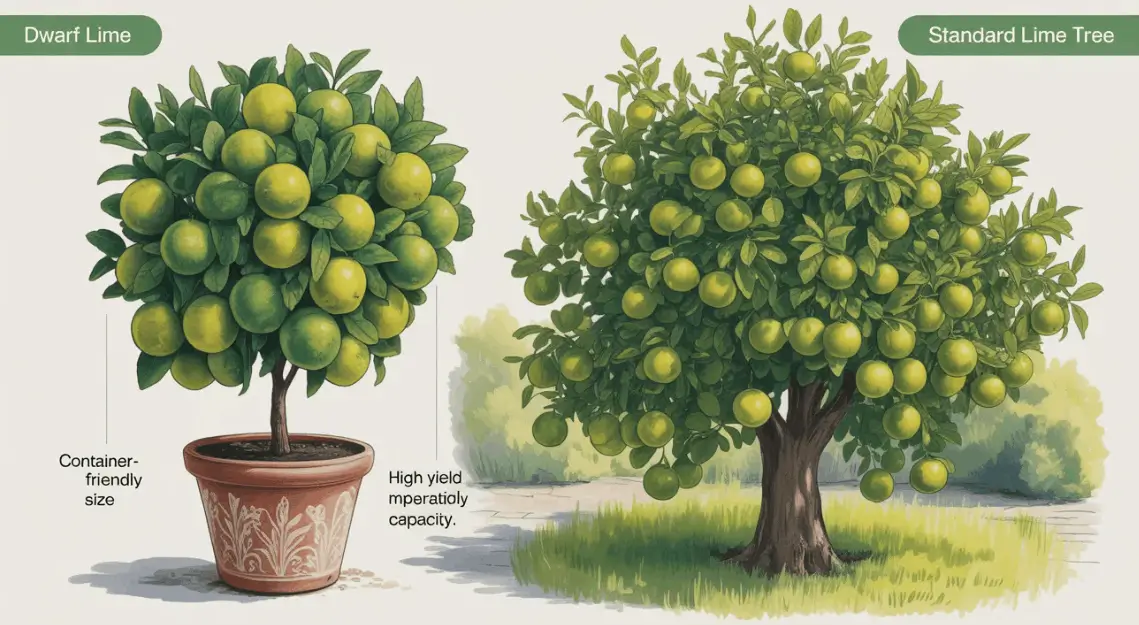
Why dwarf varieties are better for containers
Dwarf lime trees are grafted to stay smaller, making them perfect for pots.
Benefits of dwarf trees:
- Easier to manage and prune
- Better suited to limited soil space
- Start fruiting earlier
- Easier to move indoors if needed
Problems with standard trees in containers
- Outgrow pots quickly
- Require frequent repotting
- Harder to control size
- Less efficient fruit production in small spaces
👉 Rule of thumb: Always choose a dwarf or semi-dwarf variety for container gardening.
How to Choose the Right Lime Tree for Your Space
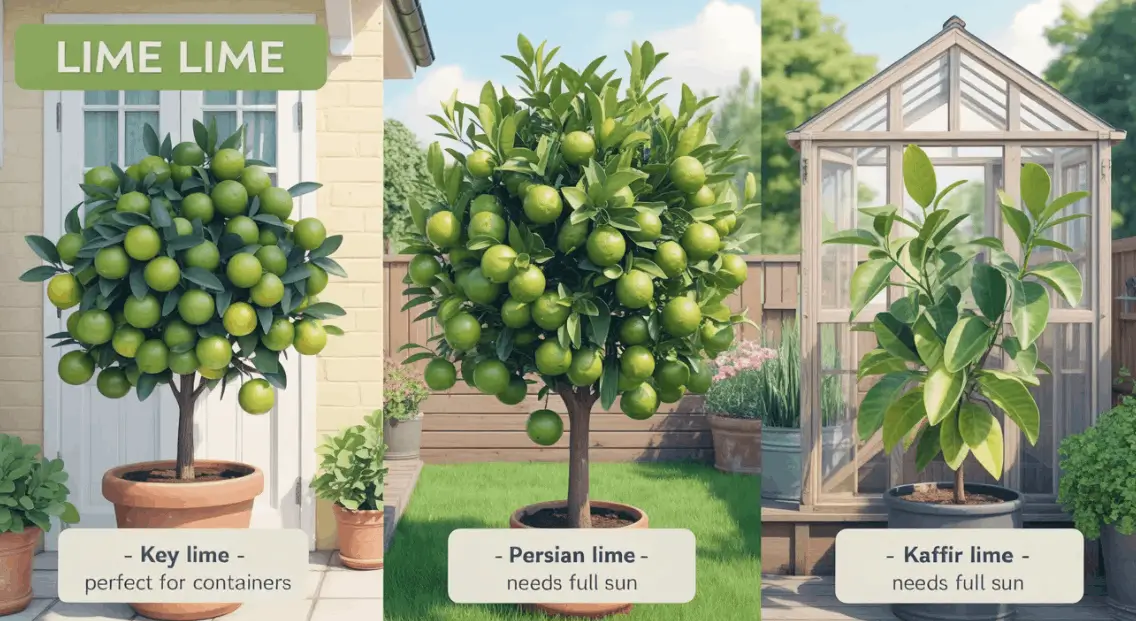
1. Consider Your Available Space
Ask yourself:
- Do you have a balcony, patio, or indoor area?
- How much sunlight do you get daily?
Recommendations:
- Small balcony → Dwarf Key Lime or Kaffir Lime
- Medium patio → Persian Lime
- Indoor growing → Dwarf varieties only
2. Think About Climate
Lime trees love warmth, but some are more sensitive than others.
If you live in a warm climate:
- Most varieties will thrive outdoors
If you have cooler winters:
- Choose a variety you can move indoors
- Persian lime is slightly more tolerant
3. Decide Your Purpose
Why are you growing a lime tree?
fresh juice:
- Persian Lime (bigger, seedless fruit)
strong flavor:
- Key Lime (more aromatic and tangy)
cooking leaves:
- Kaffir Lime
something unique:
- Finger Lime
Common Mistakes When Choosing a Lime Tree
1. Buying a Standard (Non-Dwarf) Tree
This is the most common beginner mistake.
Result:
- Tree becomes too large
- Difficult to manage in a container
2. Ignoring Climate Compatibility
Choosing a variety that doesn’t suit your temperature can lead to:
- Leaf drop
- Poor fruiting
- Slow growth
3. Choosing Based on Looks Only
Some trees look beautiful in nurseries but:
- Grow too fast
- Need more care than expected
Always prioritize function over appearance.
4. Not Checking Mature Size
Even dwarf trees can vary in size.
Tip: Always check:
- Mature height
- Spread
- Growth habit
Signs You Chose the Wrong Variety
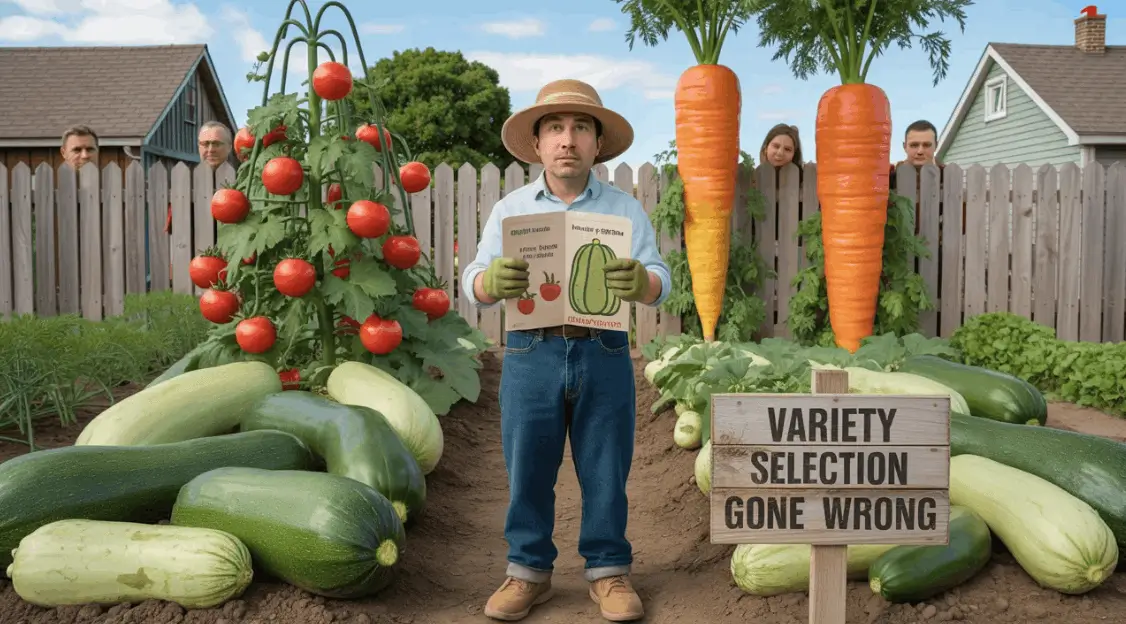
If you already have a lime tree, here are warning signs:
- Rapid growth that outpaces your pot
- Very few or no fruits
- Constant stress (yellowing leaves, weak growth)
- Difficulty pruning or managing size
If you notice these, you may need to:
- Repot into a larger container
- Prune more aggressively
- Or consider switching to a better-suited variety
Tips for Success After Choosing Your Lime Tree
Choose the Right Pot Size
- Start with at least a 10–15 gallon container
- Ensure proper drainage
Use Well-Draining Soil
Lime trees hate soggy roots. Use:
- Citrus potting mix
- Or a blend of soil + sand + compost
Provide Full Sunlight
- At least 6–8 hours of direct sun daily
- Indoors: place near the brightest window
Water Consistently
- Keep soil slightly moist, not wet
- Let the top inch dry between watering
Prune Regularly
- Maintain shape and size
- Encourage better airflow and fruiting
How Long Before Your Lime Tree Produces Fruit?
- Dwarf trees: 1–3 years
- Standard trees: 3–5 years
Factors that affect fruiting:
- Sunlight
- Watering consistency
- Proper variety selection
Choosing the right variety from the start speeds up success significantly.
Final Thoughts: Choosing the Best Lime Tree Variety
Selecting the right lime tree variety is the foundation of successful container gardening.
If you remember just a few key points, make it these:
Always choose a dwarf or semi-dwarf variety
Match the tree to your space and climate
Pick based on your goal (juice, flavor, leaves, or uniqueness)
Avoid varieties that grow too large for pots
For most beginners, the safest choices are:
Dwarf Persian Lime (easy and reliable)
Dwarf Key Lime (flavorful and compact)
Start with the right variety, and your container lime tree can reward you with fresh fruit, fragrant leaves, and a beautiful addition to your space for years to come.