
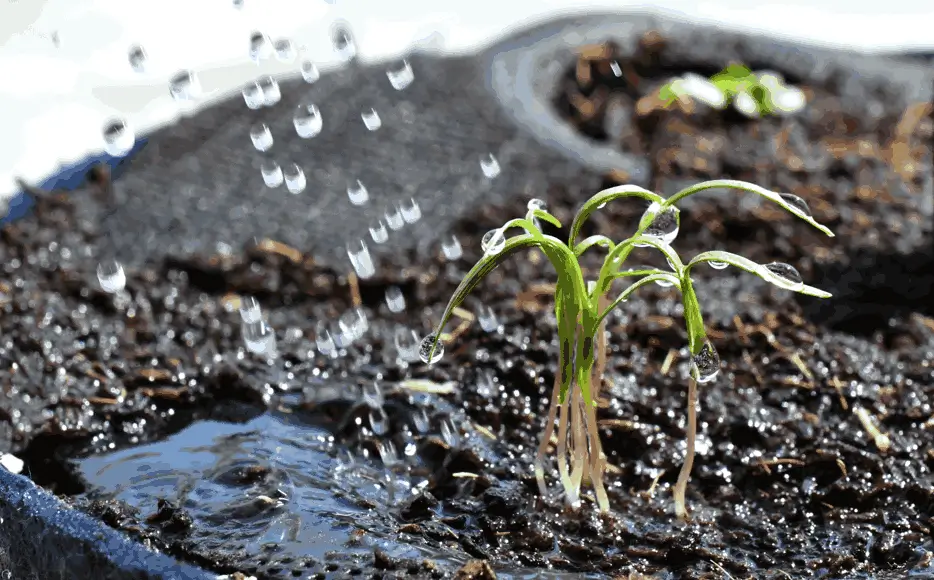
Self-watering pots are designed to simplify plant care, but they’re not always foolproof. From overwatering and root rot to dry soil and clogged systems, these containers can still cause challenges if not used correctly. Understanding the most common watering issues in self-watering pots—and how to fix them—can help you keep your plants healthy, balanced, and thriving with less guesswork.
But in reality, many gardeners run into watering issues self watering pots sooner than expected.
Plants may wilt, yellow, stop growing, or even die—despite the reservoir always being full. This can be confusing and frustrating, especially for beginners growing fruit plants, herbs, or vegetables in small spaces.
This guide is for:
- Beginner gardeners
- Balcony and container growers
- Anyone using self watering pots for fruit or edible plants
You’ll learn why these watering problems happen, how to fix them step by step, and how to use self watering pots correctly for long-term success.
What Causes Watering Issues in Self Watering Pots?
Self watering pots work differently than regular containers. When something is slightly off, problems appear quickly.
Here are the most common causes.
Poor Wicking Action
Self watering pots rely on a wick or soil contact to pull water upward.
Problems happen when:
- The soil is too compacted
- The wick is not touching moist soil
- The soil mix repels water
When wicking fails, roots stay dry even with water in the reservoir.
Incorrect Soil Mix
Regular garden soil is one of the biggest causes of failure.
Heavy soil:
- Blocks water movement
- Stays soggy at the bottom
- Suffocates roots
Light soil that drains too fast:
- Fails to wick water upward
- Leaves the top layer dry
Overfilling the Reservoir
More water does not mean better hydration.
Constantly full reservoirs can:
- Create waterlogged root zones
- Reduce oxygen availability
- Trigger root rot
This is especially dangerous for fruit plants.
Plants Not Suitable for Self Watering Pots
Not all plants like constant moisture.
Self watering pots struggle with:
- Drought-tolerant plants
- Young seedlings
- Plants with shallow root systems
Temperature and Evaporation Mismatch
Hot weather increases water use.
If the reservoir:
- Is too small
- Empties too fast
- Is shaded or overheated
Plants may still suffer from water stress.
Signs and Symptoms of Watering Problems
Self watering pots hide problems until plants show stress.
Watch for these warning signs.
Signs of Overwatering
- Yellowing leaves starting from the bottom
- Mushy or dark roots
- Slow growth
- Fungus gnats around the pot
- Sour or rotten smell from soil
Signs of Underwatering
- Wilting during the day
- Dry soil surface
- Leaf curling or crisp edges
- Dropping flowers or fruit
- Stunted growth
Mixed Symptoms (Most Common)
Sometimes plants show both signs.
This happens when:
- Bottom soil is soaked
- Top soil is dry
- Roots rot below but dry above
This is classic watering issues self watering pots behavior.
Step-by-Step Solutions
Follow these steps in order. Each one fixes a common failure point.
1. Empty and Inspect the Reservoir
Start by checking what’s happening below.
- Empty standing water
- Look for algae or slime
- Smell for rot
If it smells bad, roots are stressed.
2. Check Soil Moisture at Different Levels
Don’t judge by the surface alone.
- Insert a finger or wooden stick
- Check top, middle, and bottom soil
- Compare moisture levels
Even moisture is the goal.
3. Improve the Soil Mix
A proper mix is essential.
Use a blend that:
- Holds moisture
- Allows air flow
- Wicks water evenly
Good components include:
- Coco coir or peat
- Perlite or pumice
- Fine compost
Avoid heavy garden soil.
4. Prime the Soil Properly
Dry soil cannot wick water.
Before planting:
- Fully moisten soil mix
- Let excess drain
- Ensure wick is wet
This step is often skipped.
5. Adjust Watering Frequency
Self watering does not mean constant water.
Try this:
- Let reservoir empty occasionally
- Allow oxygen to reach roots
- Refill only when top soil feels slightly dry
Plants need air as much as water.
6. Elevate Young Plants Temporarily
Seedlings struggle with deep reservoirs.
For young plants:
- Water from the top initially
- Allow roots to grow downward
- Start reservoir watering later
This prevents early root rot.
7. Improve Airflow and Drainage
Roots suffocate without oxygen.
Helpful steps:
- Ensure overflow holes work
- Avoid blocking air gaps
- Use pots with ventilation slots
Healthy roots are white and firm.
Common Beginner Mistakes
Avoid these mistakes to prevent repeat problems.
Assuming Self Watering Pots Are “Set and Forget”
Plants still need monitoring.
Ignoring them leads to:
- Hidden root rot
- Nutrient imbalance
- Sudden plant collapse
Using the Wrong Pot Size
Small reservoirs dry fast.
Oversized pots:
- Hold too much water
- Increase rot risk
Match pot size to plant size.
Fertilizing Incorrectly
Nutrients behave differently in self watering pots.
Mistakes include:
- Overfeeding
- Salt buildup
- Feeding dry soil
Always fertilize lightly and evenly.
Never Flushing the Soil
Salts accumulate over time.
Without flushing:
- Roots burn
- Growth slows
- Leaves discolor
Occasionally water from the top until runoff.
Best Practices for Prevention
Prevention is easier than fixing damage.
Choose the Right Plants
Best plants for self watering pots:
- Strawberries
- Dwarf fruit trees
- Leafy greens
- Herbs with moderate water needs
Avoid plants that prefer dry soil.
Use the Correct Soil Every Time
Consistency matters.
Your soil should:
- Wick evenly
- Drain excess water
- Stay airy
Reuse only after refreshing it.
Monitor, Don’t Guess
Simple checks prevent failure.
- Lift the pot to feel weight
- Check reservoir weekly
- Observe leaf color and texture
Plants communicate clearly.
Adjust for Seasons
Water needs change.
- Summer: faster evaporation
- Winter: slower uptake
- Indoors: less water needed
Adapt your routine.
Clean Pots Between Plantings
Old residue causes problems.
Clean pots:
- Reduce disease
- Improve wicking
- Prevent salt buildup
A clean system works better.
Quick Fix Summary
If you’re short on time, start here:
- Empty standing water regularly
- Use a light, wicking soil mix
- Do not keep reservoirs constantly full
- Let soil breathe occasionally
- Flush soil from the top monthly
- Match plant type to pot design
These steps solve most watering issues self watering pots face.
Frequently Asked Questions
Are self watering pots good for fruit plants?
Yes, when used correctly.
They work best for:
- Strawberries
- Citrus in containers
- Small berry plants
Proper soil and airflow are critical.
Why is my plant wilting even though the reservoir is full?
Most likely causes:
- Soil not wicking water
- Roots rotting below
- Air-starved root zone
Check soil structure immediately.
Should I water from the top in self watering pots?
Yes, occasionally.
Top watering helps:
- Flush salts
- Rehydrate dry soil
- Encourage healthy roots
It improves long-term performance.
How often should I refill the reservoir?
There is no fixed schedule.
Refill when:
- Top soil feels slightly dry
- Pot feels lighter
- Plant shows active growth
Avoid constant saturation.
Can self watering pots cause root rot?
Yes, if misused.
Root rot happens when:
- Soil is too dense
- Oxygen is limited
- Water never drains
Correct setup prevents this.
Conclusion: How to Use Self Watering Pots the Right Way
Self watering pots are powerful tools—but only when understood.
Most problems come from:
- Wrong soil
- Too much water
- Poor airflow
To succeed:
- Use a proper wicking soil mix
- Allow occasional dry periods
- Monitor plant signals
- Adjust with seasons
- Maintain clean pots
When set up correctly, self watering pots can grow healthy, productive fruit and edible plants even in the smallest spaces.
Fix the system, not just the symptoms—and your plants will reward you. 🌱🍓