
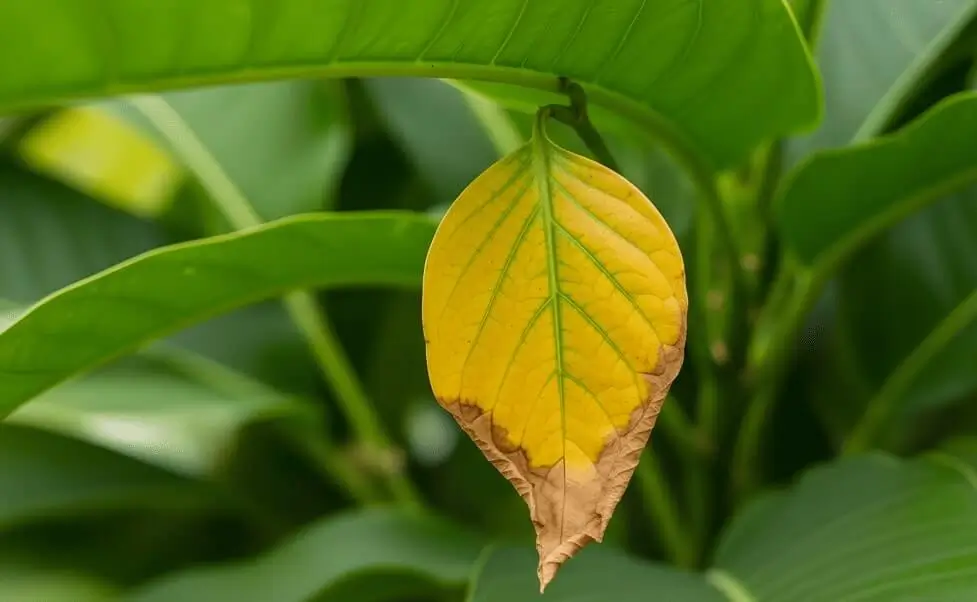
If your container-grown fruit trees are producing weak, small, or fewer fruits than expected, potassium deficiency could be the hidden cause. Potassium plays a crucial role in fruit development, overall plant strength, and disease resistance. When levels are too low, trees struggle to flower properly and fail to produce healthy, high-quality yields. In this guide, you’ll learn how to identify potassium deficiency in potted fruit trees, understand its causes, and apply proven solutions to restore strong growth and abundant fruiting.
By the end, you’ll know exactly what to feed your trees, how often, and how to avoid the mistakes that silently kill fruit harvests.
Why Potassium Deficiency Matters in Container Fruit Gardening
Potassium (K) is often called the “fruiting nutrient.” Unlike nitrogen, which drives leafy growth, potassium controls the processes that turn flowers into sweet, well-formed fruits.
In container-grown fruit trees, potassium deficiency is far more common than in ground-grown trees because:
- Containers hold limited nutrients
- Frequent watering washes potassium out
- Potting mixes degrade over time
- Roots cannot search for nutrients beyond the pot
Without enough potassium, fruit trees struggle with:
- Weak flowering and fruit set
- Poor sugar movement into fruit
- Thin skins and uneven ripening
- Reduced drought and disease resistance
If your tree looks green but produces disappointing harvests, potassium—not sunlight or pruning—is often the missing link. This issue is especially common when combined with watering problems in containers, which accelerate nutrient leaching and imbalance.
How Potassium Deficiency Causes Poor Fruiting
Potassium plays a behind-the-scenes role in nearly every stage of fruit development:
- Activates enzymes needed for sugar production
- Moves carbohydrates from leaves to developing fruit
- Regulates water balance inside plant cells
- Strengthens fruit structure and skin quality
When potassium is lacking, trees may still grow leaves and branches, but fruits fail to mature properly. This is why potassium deficiency often goes unnoticed until harvest time—when it’s already too late.
In container fruit trees, this problem worsens when combined with poor soil quality in pots, where nutrient-holding capacity is limited and fertilizers break down quickly.
Visual Signs of Potassium Deficiency in Fruit Trees
Learning to recognize potassium deficiency early can save an entire growing season.
Leaf Symptoms (Early to Advanced)
- Yellowing or browning along leaf edges
- Leaf tips appear scorched or burnt
- Older leaves affected first
- Leaves curl upward or become brittle
Fruit & Flower Symptoms
- Flowers drop before setting fruit
- Fruits remain small and poorly colored
- Low sugar content and bland taste
- Premature fruit drop
If these signs appear alongside nutrient deficiencies in potted fruit trees, potassium is often the primary culprit.
Step-by-Step Solutions to Fix Potassium Deficiency and Poor Fruiting
Step 1: Stop Overfeeding Nitrogen
Many beginners unknowingly worsen potassium deficiency by using high-nitrogen fertilizers.
Excess nitrogen causes:
- Excess leaf growth
- Nutrient competition that blocks potassium uptake
- Delayed or reduced fruiting
If your tree is lush but fruitless, pause nitrogen-heavy feeds and rebalance nutrients instead.
Step 2: Apply the Right Potassium Source
Choose potassium sources that work well in containers:
Fast-acting options
- Liquid fruit tree fertilizer with higher K
- Potassium sulfate (safer than potassium chloride)
Slow-release & organic options
- Sulfate of potash
- Wood ash (very small amounts only)
- Compost enriched with banana peels
Apply potassium during:
- Pre-flowering
- Early fruit development
- Mid-season fruit swelling
Avoid late-season feeding that can disrupt dormancy.
Step 3: Improve Soil’s Nutrient-Holding Ability
Potassium leaches quickly from lightweight potting mixes. Improve retention by:
- Adding compost or worm castings
- Mixing in coco coir or aged bark
- Avoiding pure peat-based mixes
Healthy soil structure supports long-term potassium availability and prevents repeated deficiencies. This is especially important if you’ve experienced poor soil causing weak fruit trees in containers.
Step 4: Optimize Watering Practices
Overwatering is one of the fastest ways to lose potassium from containers.
Best practices:
- Water deeply, not frequently
- Allow topsoil to dry slightly between watering
- Ensure excellent drainage holes
If your tree dries out quickly, review why fruit trees dry out in pots and adjust container size or soil mix accordingly.
Step 5: Use Balanced Fruiting Fertilizers
Once deficiency is corrected, switch to fertilizers designed for fruit production, typically labeled:
- 5-5-10
- 6-8-12
- “Bloom & fruit” blends
These maintain potassium levels without forcing excessive leaf growth.
Best Containers and Tools for Preventing Potassium Loss
Container Tips
- Use larger pots (minimum 15–20 gallons)
- Avoid shallow containers
- Dark pots warm soil but increase nutrient loss
Helpful Tools
- Soil moisture meter
- Slow-release fertilizer spikes
- Mulch to reduce evaporation
Proper container choice reduces stress and nutrient imbalance, minimizing potassium deficiency risk long-term.
Common Beginner Mistakes That Cause Poor Fruiting
Avoid these potassium-related mistakes:
- Feeding only nitrogen-rich fertilizers
- Using exhausted potting soil for years
- Overwatering during flowering
- Ignoring early leaf symptoms
- Applying too much wood ash
Many of these errors overlap with watering issues in small pots, making diagnosis tricky unless nutrients are considered.
Potassium Deficiency FAQ (People Also Ask)
Can potassium deficiency be fixed in one season?
Yes. Liquid potassium feeds can improve fruit quality within weeks if applied early enough.
Is banana peel fertilizer effective?
It helps mildly but is too slow and inconsistent as a primary potassium source for fruit trees.
Can too much potassium harm fruit trees?
Yes. Excess potassium can block magnesium and calcium uptake, causing new deficiencies.
Do all fruit trees need extra potassium?
Most fruiting trees benefit, especially citrus, figs, apples, peaches, and berries in containers.
Should I fertilize during fruiting?
Yes, but use low-nitrogen, potassium-rich fertilizers to support fruit development.
Conclusion: Restore Fruiting with Smart Potassium Management
Potassium deficiency and poor fruiting are among the most common problems in container-grown fruit trees—but they’re also among the easiest to fix. By recognizing early symptoms, choosing the right fertilizers, improving soil structure, and adjusting watering habits, you can dramatically improve fruit size, flavor, and yield.
Start by correcting nutrient imbalance, then maintain potassium levels consistently throughout the growing season. Pair this with proper container size and soil quality, and your fruit trees will reward you with healthier growth and reliable harvests—even in small spaces.
Your trees already want to fruit. Potassium simply gives them the tools to do it. 🌱🍎