
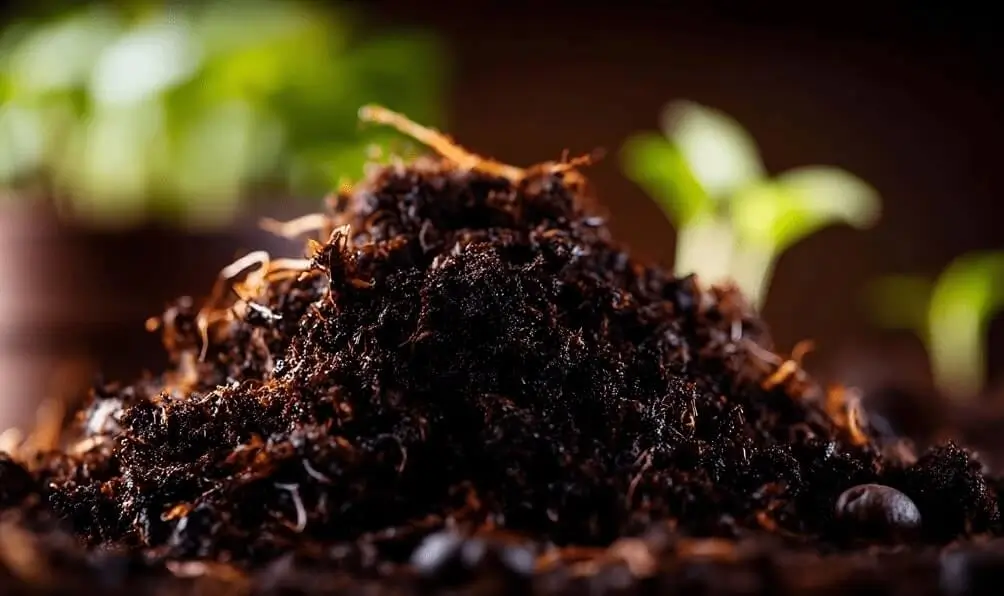
Over time, potting soil in containers loses its structure, nutrients, and ability to support healthy plant growth. This is a common issue for container fruit gardeners, as repeated watering and plant use gradually drain the soil of its vitality. Knowing how to refresh depleted potting soil is essential if you want your fruit plants to thrive, produce better yields, and stay disease-free. In this beginner-friendly guide, you’ll discover simple, practical steps to restore your soil’s health, improve its texture, and bring your container garden back to life without always needing to start from scratch.
Why Refreshing Depleted Potting Soil Matters for Container Fruit Gardening
Container-grown fruit plants depend entirely on the soil inside the pot. Unlike garden beds, containers don’t benefit from earthworms, natural soil layers, or slow nutrient cycling.
When potting soil becomes depleted, several problems appear at once:
- Nutrients wash out quickly due to frequent watering
- Organic matter breaks down, causing soil shrinkage
- Air pockets disappear, suffocating roots
- Beneficial microbes decline, reducing nutrient uptake
This is especially damaging for fruit plants, which are heavy feeders and long-term growers.
If you’ve noticed issues like soil pulling away from pot edges, poor drainage, or crusting on the surface, these are closely related to problems discussed in our guide on why potting soil shrinks in containers and causes of crusting soil in pots—both common signs of exhausted growing media.
Refreshing soil restores:
- Balanced nutrition
- Proper moisture retention
- Healthy root oxygen levels
- Long-term productivity for fruit plants
Signs Your Potting Soil Is Depleted
Before learning how to refresh depleted potting soil, confirm that your soil actually needs renewal. Look for these warning signs:
- Water drains too fast or pools on top
- Soil looks dusty, pale, or compacted
- Plant growth slows despite regular feeding
- Leaves yellow quickly after fertilizing
- Roots circle tightly at the bottom of the pot
If salts have built up from synthetic fertilizers, plants may also show leaf burn or stunted growth. This is explained in more detail in our article on excessive salts in container soil.
How to Refresh Depleted Potting Soil (Step-by-Step)
Refreshing soil doesn’t mean starting from scratch. Follow these steps to rebuild soil health effectively.
Step 1: Remove and Inspect the Old Soil
Start by gently removing the plant from its container.
- Shake off loose soil from the root ball
- Break up clumps with your hands
- Remove dead roots, pests, or moldy sections
If the soil smells sour or stays wet for days, drainage may be the real issue. Our guide on lack of drainage problems in pots explains when soil alone isn’t the problem.
Step 2: Rebuild Organic Matter (The Most Important Step)
Depleted potting soil lacks organic material. Replenish it with:
- Finished compost (20–30%)
- Worm castings (5–10%)
- Well-rotted leaf mold
These additions:
- Restore nutrients slowly
- Improve moisture retention
- Reintroduce beneficial microbes
Avoid raw manure or unfinished compost—they can burn roots or attract pests.
Step 3: Restore Soil Structure and Aeration
Over time, fine particles dominate potting soil, reducing airflow. To fix this, add:
- Perlite or pumice (10–20%)
- Coarse coco coir or bark fines
This step prevents root suffocation and reduces issues like soil overheating, which we cover in how soil temperature stress affects container roots.
Tip: Never add garden soil—it compacts quickly and ruins drainage.
Step 4: Recharge Nutrients the Right Way
Fruit plants need consistent feeding. Instead of quick-release fertilizers, use:
- Slow-release organic fertilizer
- Bone meal or rock phosphate (for fruiting)
- Kelp meal (trace minerals & stress resistance)
Mix thoroughly so nutrients distribute evenly.
This avoids salt buildup—a common beginner mistake discussed in why excessive fertilizer salts harm potted plants.
Step 5: Rehydrate and Condition the Soil
Old potting soil often becomes hydrophobic (water-repellent).
To fix this:
- Moisten the mix gradually
- Let it rest for 12–24 hours
- Mix again before repotting
This ensures even moisture distribution and prevents dry pockets.
Refreshing Soil Without Removing the Plant (Top-Dressing Method)
For large fruit trees or heavy pots, use top-dressing:
- Remove top 2–3 inches of old soil
- Add compost + worm castings
- Lightly scratch into surface
- Water deeply
This method works well for citrus, figs, and berries grown long-term in containers.
Common Mistakes Beginners Make When Refreshing Potting Soil
1. Reusing Soil Without Amending It
Old soil alone is nutritionally dead. Always rebuild it.
2. Adding Too Much Compost
Excess compost reduces drainage and causes root rot.
3. Using Chemical Fertilizers Only
They feed plants—but kill soil biology over time.
4. Ignoring Drainage Holes
No soil mix can compensate for poor drainage design.
5. Mixing In Garden Soil
This leads to compaction and oxygen loss, a mistake explained further in why mixing garden soil into pots causes problems.
Best Tools and Materials for Refreshing Potting Soil
Keep these essentials on hand:
- Large mixing tub or tarp
- Hand trowel
- Quality compost
- Perlite or pumice
- Organic slow-release fertilizer
Optional but helpful:
- Soil sieve
- Moisture meter
- Mycorrhizal inoculant
How Often Should You Refresh Potting Soil?
- Annual vegetables: Every season
- Berry bushes: Every 12–18 months
- Dwarf fruit trees: Top-dress yearly, full refresh every 2–3 years
Signs—not calendar dates—should guide you.
FAQ: Refreshing Depleted Potting Soil
Can I reuse old potting soil for fruit plants?
Yes, as long as you refresh it with organic matter, aeration materials, and nutrients.
Is it better to replace or refresh potting soil?
Refreshing is cheaper, more sustainable, and better for soil life.
Can I sterilize old soil instead?
Sterilization kills beneficial microbes. Refreshing is almost always better.
How do I know if salt buildup is a problem?
White crusts, leaf burn, and stunted growth are classic signs.
Should I add compost tea?
It’s helpful but optional. Solid organic matter matters more long-term.
Conclusion: Healthier Soil, Better Fruit Harvests
Learning how to refresh depleted potting soil is one of the smartest investments you can make as a container fruit gardener. Instead of constantly replacing soil, refreshing it builds long-term fertility, improves plant resilience, and boosts fruit production.
Your next steps:
- Inspect your containers today
- Refresh one pot as a test
- Observe plant response over 2–3 weeks
Healthy soil equals healthy roots—and healthy roots mean better harvests. 🌱🍓