
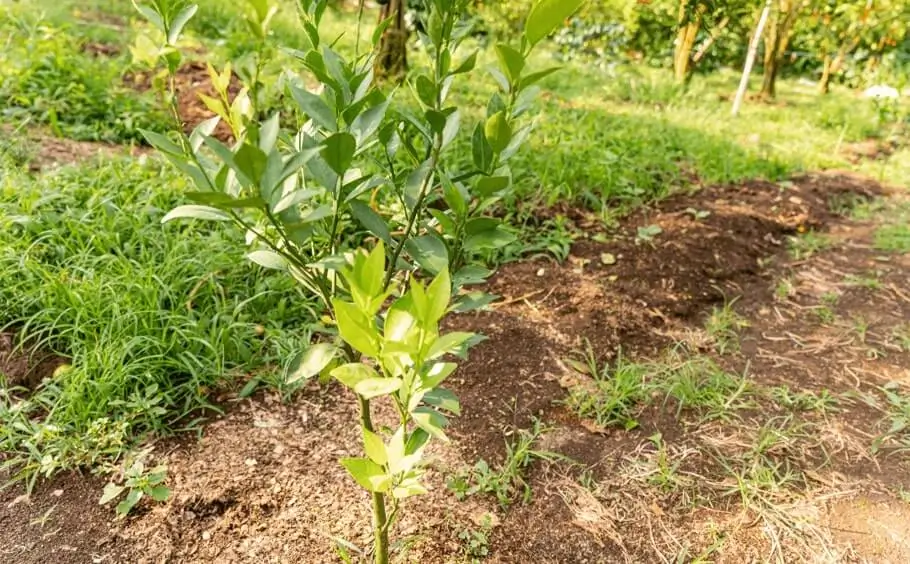
Many gardeners feel frustrated when young fruit trees grow well but fail to produce fruit. This is actually a very common issue—especially in container gardening. The good news? Most causes are completely fixable. Whether your tree is still maturing or facing hidden stress, understanding the real reasons behind delayed fruiting can help you speed up the process and enjoy harvests sooner.
Why Young Fruit Trees Not Producing Yet Matters in Container Gardening
Container fruit gardening offers incredible flexibility for balconies, patios, and small yards—but it also amplifies mistakes that slow fruiting.
When young fruit trees not producing yet are grown in pots, several factors become more critical than in-ground trees:
- Root space is limited
- Nutrients are depleted faster
- Water stress happens quickly
- Pruning errors have stronger effects
Many gardeners assume a lack of fruit means something is wrong. In reality, most young fruit trees are prioritizing root and branch development before reproduction. For container trees, this growth phase is essential for long-term productivity.
If you rush fruiting too early, you may end up with:
- Weak branches that snap under fruit weight
- Stunted root systems
- Poor yields for years afterward
Understanding this balance is key—especially if you’re also dealing with slow fruit tree growth, which we cover in detail in our guide on why fruit trees take longer to bear fruit.
How Long Young Fruit Trees Take to Produce (Realistic Timelines)
Before fixing anything, confirm whether your tree is actually late.
Typical Fruiting Timelines (After Planting)
- Dwarf apple & pear trees: 2–4 years
- Citrus (lemon, orange, lime): 2–3 years (sometimes longer in pots)
- Stone fruits (peach, plum, apricot): 3–4 years
- Fig trees: 1–3 years
- Avocado: 3–6+ years
⚠️ Trees grown from seed can take double or triple these times.
If your tree is within this window, patience—not fertilizer—is often the correct solution.
Main Reasons Young Fruit Trees Not Producing Yet
1. The Tree Is Still Juvenile (Most Common Cause)
Fruit trees must reach physiological maturity before they can flower. Even if your tree looks tall and leafy, it may not yet be hormonally ready to fruit.
Signs your tree is still juvenile:
- Strong leaf growth but no flower buds
- Long, upright shoots (vegetative growth)
- Thickening trunk year by year
➡️ This stage is essential. Forcing fruit too early weakens future yields.
2. Too Much Nitrogen, Not Enough Balance
One of the biggest beginner mistakes is overfeeding nitrogen.
Excess nitrogen causes:
- Lush green leaves
- Rapid shoot growth
- Delayed or absent flowering
This issue frequently appears in containers, where liquid fertilizers are applied too often.
What to do instead:
- Switch to a balanced or low-nitrogen fruit tree fertilizer
- Focus on phosphorus and potassium during pre-flowering
- Reduce feeding once the tree is established
3. Incorrect Pruning (Or No Pruning at All)
Pruning directly affects flowering—especially in young fruit trees not producing yet.
Common pruning errors:
- Heavy pruning every year
- Cutting fruiting wood unknowingly
- Removing flower buds in winter
Some trees (like apples and pears) fruit on older spurs, while others fruit on new growth. If this balance is wrong, fruiting stalls.
If your tree flowers but drops fruit early, pruning may still be part of the problem—often combined with pollination issues or stress.
4. Lack of Pollination (Critical in Small Spaces)
Many container gardeners overlook pollination.
Problems include:
- No pollinators on balconies
- Single tree varieties needing a partner
- Flowers appearing but fruit never forming
Solutions:
- Grow self-fertile varieties when possible
- Attract pollinators with companion plants
- Hand-pollinate flowers if needed
If your tree flowers but never sets fruit, read our complete guide on why fruit trees drop flowers and tiny fruit early—it explains this issue step by step.
5. Root Restriction or Wrong Container Size
Roots trigger fruiting hormones.
If roots are:
- Severely bound
- Constantly stressed
- Sitting in soggy soil
…the tree stays in survival mode instead of reproduction mode.
Best practices:
- Use containers at least 40–60 liters for dwarf trees
- Repot every 2–3 years
- Refresh soil even if size stays the same
For more on this, our article on choosing the right container size for fruit trees explains exactly how pot volume affects yield.
Step-by-Step: How to Encourage Fruiting in Young Trees (Safely)
Step 1: Confirm Age & Variety Expectations
Check:
- Grafted vs seed-grown
- Dwarf vs standard
- Expected fruiting age
Never force fruit before the tree is ready.
Step 2: Adjust Feeding Strategy
- Reduce nitrogen-heavy fertilizers
- Apply bloom-support fertilizer before spring
- Stop feeding mid-season once fruit sets
Step 3: Improve Sun Exposure
Most fruit trees require:
- 6–8 hours of direct sunlight daily
- Full sun, not bright shade
Move containers seasonally if needed.
Step 4: Manage Water Stress Properly
Inconsistent watering causes:
- Flower drop
- Fruit abortion
- Growth-only response
Water deeply, then allow partial drying—not extremes.
Step 5: Train Branches, Don’t Force Pruning
Branch angle matters.
- Upright branches favor leaf growth
- Horizontal branches favor fruiting
Use gentle branch bending instead of heavy cuts.
Common Beginner Mistakes That Delay Fruiting
- Expecting fruit in the first year
- Overfertilizing “to help”
- Using decorative pots without drainage
- Pruning without knowing fruiting habits
- Ignoring pollination needs
Many gardeners facing young fruit trees not producing yet are actually doing too much instead of letting the tree mature naturally.
Tools, Soil & Care Tips That Make a Difference
Best Soil for Fruiting
- Free-draining mix
- Added compost for microbial life
- Avoid compacted garden soil
Helpful Tools
- Moisture meter (prevents overwatering)
- Soft plant ties for branch training
- Hand pollination brush for balconies
Seasonal Care Tip
Avoid repotting, pruning, or heavy feeding during flowering—this stresses the tree and reduces fruit set.
FAQ: Young Fruit Trees Not Producing Yet
Why does my fruit tree grow leaves but no fruit?
Excess nitrogen, insufficient age, or incorrect pruning usually cause leafy growth without flowering.
Can I force a young fruit tree to fruit faster?
No—and trying often damages future yields. Focus on balanced care, not forcing.
How long should I wait before worrying?
Wait until the tree exceeds its normal fruiting age by at least one full season.
Do container fruit trees take longer to fruit?
Sometimes, yes—especially if root space, sunlight, or nutrients are limited.
Should I remove early fruit from young trees?
Yes. Removing early fruit helps the tree establish stronger roots and branches.
Conclusion: What to Do Next if Your Young Fruit Tree Isn’t Producing
If your young fruit trees not producing yet are healthy, green, and growing—that’s progress, not failure. Fruiting comes after structure, roots, and energy reserves are built.
Your next steps:
- Confirm the tree’s age and variety
- Reduce nitrogen-heavy feeding
- Improve sunlight and container size
- Review pruning and pollination needs
With patience and the right adjustments, most young fruit trees reward you with stronger harvests—not just sooner fruit. 🌱🍎