
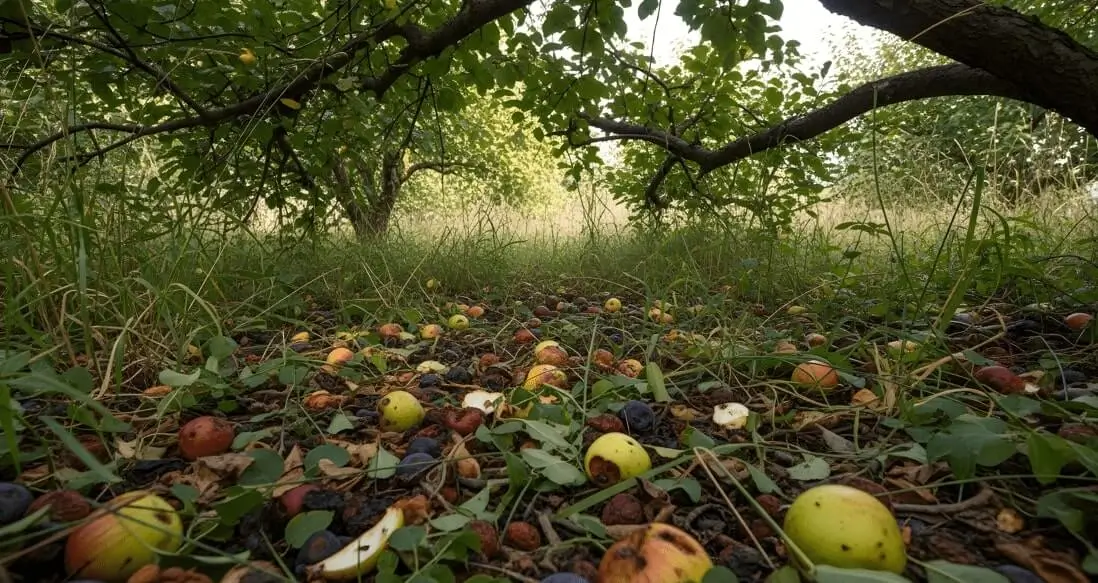
If your fruit trees start producing tiny fruits only to drop them before maturity, you’re not alone—this is one of the most frustrating issues for container gardeners. Known as early fruit drop, this problem often signals stress, imbalance, or environmental challenges rather than failure.
The good news? Most causes are fixable. Whether it’s inconsistent watering, nutrient deficiencies, poor pollination, or temperature stress, understanding why your tree is shedding small fruits is the key to turning things around.
In this guide, you’ll discover the most common reasons fruit trees drop immature fruits and proven solutions tailored specifically for container growing—so you can finally enjoy a healthy, abundant harvest.
Why Fruit Trees Dropping Small Fruits Is So Common in Containers
Fruit trees naturally shed some fruit, but excessive fruit drop is a stress signal. In containers, trees face challenges they rarely encounter in the ground.
Limited Root Space Increases Stress
Container roots can’t search for water or nutrients. If conditions fluctuate—even briefly—the tree may drop fruit to conserve energy.
Faster Drying and Overwatering Risks
Pots dry out faster, but they can also stay too wet if drainage is poor. Both extremes are major triggers for fruit drop. If you’ve noticed yellowing leaves along with fruit drop, review this guide on yellow leaves on container fruit trees to pinpoint watering-related stress.
Nutrients Wash Out Quickly
Frequent watering flushes nutrients from containers, leading to deficiencies right when fruits need energy to develop.
Pollination Is Less Reliable
Balconies, patios, and indoor spaces often have fewer pollinators, increasing the chance of early fruit drop.
The Most Common Causes of Fruit Trees Dropping Small Fruits
Understanding the cause is the key to fixing the problem.
1. Natural Fruit Thinning (Normal Drop)
Most fruit trees set more fruit than they can mature. Shedding excess fruit early is normal, especially:
- 2–4 weeks after flowering
- When fruits are pea-sized
✅ What to do:
If only some fruit drops and the rest looks healthy, do nothing.
2. Water Stress (Most Common Cause)
Inconsistent watering is the #1 reason fruit trees drop small fruits.
- Underwatering: Tree aborts fruit to survive drought
- Overwatering: Roots suffocate, limiting nutrient uptake
If you’re unsure which side you’re on, this detailed breakdown of signs of underwatering fruit trees can help you diagnose the issue accurately.
Fix:
- Water deeply until it drains from the bottom
- Allow the top 2–3 inches of soil to dry before watering again
- Use mulch on the soil surface to reduce moisture swings
3. Nutrient Imbalance (Too Much or Too Little)
Fruit development requires steady nutrition, especially potassium and phosphorus.
Common mistakes:
- Excess nitrogen → leafy growth but weak fruit retention
- No fertilization after flowering
If you’re fertilizing but still seeing problems, revisit your overall feeding strategy using this container fruit tree fertilizing guide.
Fix:
- Switch to a balanced or fruit-specific fertilizer after flowering
- Avoid high-nitrogen feeds once fruit sets
- Feed lightly but consistently during the growing season
4. Heat Stress and Sudden Weather Changes
Containers heat up quickly. Sudden heat waves can cause fruit to drop within days.
Signs include:
- Wilted leaves in the afternoon
- Fruit drop after hot, dry winds
Fix:
- Move pots to partial shade during extreme heat
- Use light-colored containers to reduce root heat
- Water early in the morning
5. Poor Pollination
Unpollinated or partially pollinated flowers often form tiny fruits that drop shortly after.
This is common in:
- Indoor-grown trees
- High-rise balconies
- Early spring blooms
Fix:
- Hand-pollinate using a soft brush
- Encourage pollinators with flowering companion plants
- Gently shake branches during bloom
Why This Problem Matters for Container Fruit Gardening Success
Fruit drop isn’t just about losing this year’s harvest—it affects long-term tree health.
- Repeated stress weakens the tree
- Energy is wasted on aborted fruit
- Next season’s flowering can be reduced
Many beginners think fruit drop means failure, but it’s usually a care adjustment issue, not a fatal problem. Understanding why it happens helps you grow stronger, more productive trees year after year.
Step-by-Step Solutions to Stop Fruit Trees Dropping Small Fruits
Follow these steps in order for the best results.
Step 1: Stabilize Your Watering Routine
Consistency matters more than frequency.
- Check moisture with your finger or a moisture meter
- Water thoroughly, not lightly
- Never let pots sit in standing water
If summer heat is intense, follow these summer watering tips for fruit trees to avoid stress-related drop.
Step 2: Feed for Fruit, Not Leaves
Once fruit sets:
- Stop high-nitrogen fertilizers
- Use a feed with potassium and micronutrients
- Apply at half strength every 2–3 weeks
Step 3: Thin Fruit Manually
It feels counterintuitive, but thinning prevents total fruit loss.
- Remove crowded or weak fruits
- Leave space between remaining fruits
- Focus the tree’s energy on fewer, better fruits
Step 4: Improve Container and Soil Conditions
Poor soil structure leads to root stress.
Best practices:
- Use well-draining potting mix (never garden soil)
- Ensure large drainage holes
- Repot rootbound trees every 2–3 years
Choosing the right pot size is critical—learn how in this guide on best containers for fruit trees.
Step 5: Reduce Environmental Stress
- Protect trees from strong winds
- Avoid moving pots frequently once fruit sets
- Provide afternoon shade during heat waves
Common Beginner Mistakes That Cause Fruit Drop
Avoid these frequent errors:
- ❌ Watering on a strict schedule instead of checking soil
- ❌ Over-fertilizing “to help fruit grow faster”
- ❌ Using small pots that restrict root growth
- ❌ Ignoring early warning signs like leaf curl or yellowing
- ❌ Assuming fruit drop always means disease
Many of these mistakes overlap with broader problems explained in why container fruit trees fail—a must-read for new growers.
Tools, Soil, and Care Tips That Make a Big Difference
Small upgrades can dramatically reduce fruit drop.
Helpful Tools
- Moisture meter
- Slow-release fertilizer
- Shade cloth (30–40%)
- Mulch (bark or straw)
Ideal Soil Mix
- Lightweight potting mix
- Added perlite or pumice for drainage
- Compost for slow nutrient release
Ongoing Care Tips
- Inspect trees weekly during fruit set
- Adjust watering during heat waves
- Keep a simple care log to track changes
FAQ: Fruit Trees Dropping Small Fruits
Why does my fruit tree flower but drop all the fruit?
Usually due to poor pollination, water stress, or excess nitrogen. Check watering consistency and fertilization timing.
Is fruit drop always a bad sign?
No. Light fruit drop is natural. Heavy or repeated drop signals stress that needs correction.
Can overwatering cause fruit trees to drop fruit?
Yes. Saturated roots can’t absorb nutrients, leading to fruit abortion.
Should I remove small fruits myself?
Yes. Manual thinning often prevents the tree from dropping all its fruit later.
Will fruit drop affect next year’s harvest?
If caused by stress, yes. Fixing the issue early protects future flowering and yield.
Conclusion: How to Keep Your Container Fruit Trees Productive
Fruit trees dropping small fruits is frustrating—but it’s also fixable. In container gardening, success comes from consistency: steady watering, balanced feeding, proper pot size, and stress management. Once those basics are dialed in, most trees naturally hold onto their fruit and reward you with a healthy harvest.
Next steps:
Review your watering routine, adjust fertilization for fruiting, and thin excess fruit early. With a few smart changes, your container fruit trees can thrive—and finally keep the fruit they work so hard to grow.