
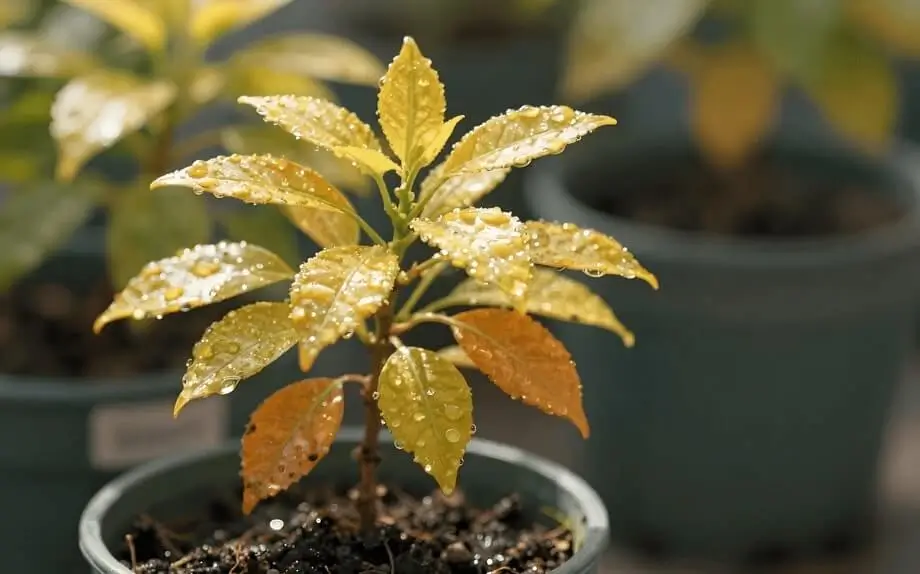
Leaf curling in container fruit trees is one of the most common warning signs that something isn’t right. Whether your citrus, apple, or fig tree is affected, curled leaves usually indicate stress from watering issues, pests, nutrient imbalances, or environmental changes. The good news? Most causes are easy to identify and fix once you know what to look for.
Why Curling Leaves Matter in Container Fruit Gardening
Container fruit trees live in a much more controlled—and fragile—environment than in-ground trees. Their roots are confined, moisture levels change quickly, and temperatures fluctuate faster. Leaf curl is one of the first visible signals that something in this mini-ecosystem is off.
Ignoring curling leaves can lead to:
- Reduced photosynthesis and slower growth
- Flower drop and poor fruit set
- Increased vulnerability to pests and disease
In containers, small problems escalate quickly. That’s why addressing curling leaves early is essential for healthy, productive potted fruit trees.
Understanding Curling Leaves on Potted Fruit Trees
Before fixing the problem, it’s important to observe the type of leaf curl. Different causes produce different symptoms.
Common Leaf Curl Patterns
- Edges curling upward → Heat stress or underwatering
- Leaves curling downward → Overwatering or root stress
- Tight, distorted new growth → Pest damage or nutrient imbalance
- Curling with discoloration or spots → Disease or salt buildup
Taking a few minutes to observe these details will save you weeks of trial and error.
Step-by-Step Diagnosis and Solutions
1. Watering Problems (The #1 Cause)
Improper watering is the most common reason for curling leaves on potted fruit trees.
Overwatering
Too much water suffocates roots, reducing oxygen uptake.
Symptoms:
- Downward-curling leaves
- Soft or yellowing foliage
- Constantly wet soil
Fix:
- Ensure your pot has drainage holes
- Let the top 2–3 inches of soil dry before watering
- Learn the signs of root stress in containers—similar issues are discussed in this guide on root rot in potted fruit trees.
Underwatering
Dry soil causes leaves to curl upward to conserve moisture.
Symptoms:
- Crispy edges
- Lightweight containers
- Rapid leaf drop
Fix:
- Water deeply until it drains from the bottom
- Check moisture daily in hot weather
- Use mulch to slow evaporation
2. Heat and Sun Stress
Containers heat up faster than garden soil. Roots can overheat even when leaves look fine.
Symptoms:
- Upward curling during midday
- Pale or scorched leaf edges
- Wilting despite moist soil
Fix:
- Provide afternoon shade in hot climates
- Use light-colored or insulated pots
- Elevate containers off hot surfaces like concrete
If your tree also shows slow growth, combine these steps with the strategies explained in why container fruit trees grow slowly.
3. Nutrient Imbalances and Fertilizer Stress
Both deficiency and excess nutrients can cause leaf curl.
Common Issues
- Nitrogen deficiency → Pale, curling older leaves
- Potassium deficiency → Curling leaf edges
- Overfertilization → Burned tips and distorted growth
Fix:
- Use a balanced, slow-release fertilizer
- Flush soil with plain water every 4–6 weeks
- Avoid feeding stressed or recently repotted trees
If leaf curl started after repotting, review best practices in how to repot fruit trees without shock.
4. Pest Infestations (Often Overlooked)
Tiny pests can cause dramatic leaf curling—especially on new growth.
Common Culprits:
- Aphids
- Spider mites
- Leaf miners
Fix:
- Inspect undersides of leaves weekly
- Rinse foliage with water
- Apply neem oil or insecticidal soap early
Pests often cause curling plus sticky residue or speckled leaves, so look closely.
5. Environmental Shock and Repotting Stress
Sudden changes can confuse your tree.
Triggers include:
- Moving from shade to full sun
- Temperature swings
- Recent repotting
Fix:
- Acclimate plants gradually
- Avoid heavy pruning during stress
- Maintain consistent care routines
Leaf curl caused by stress often resolves on its own once conditions stabilize.
Common Beginner Mistakes That Cause Leaf Curl
Many new container gardeners unintentionally create the problem.
Mistakes to Avoid
- Using garden soil instead of potting mix
- Choosing containers that are too small
- Watering on a fixed schedule instead of by soil moisture
- Fertilizing too frequently
- Ignoring early warning signs
If your tree also drops flowers or fruit, leaf curl may be part of a bigger issue—see why fruit trees drop flowers and fruit.
Best Tools, Soil, and Container Tips for Prevention
Ideal Potting Mix
- Well-draining
- Organic matter + perlite
- Slightly moisture-retentive, not soggy
Container Selection
- Size appropriate for tree age
- Multiple drainage holes
- Breathable materials in hot climates
Helpful Tools
- Moisture meter (used as a guide, not a rule)
- Mulch for temperature control
- Shade cloth for summer protection
Consistent care is easier when your setup supports healthy roots.
FAQ: Curling Leaves on Potted Fruit Trees
Why are my potted fruit tree leaves curling but still green?
This often indicates water stress or heat stress, not disease. Check soil moisture and root temperature.
Can curled leaves recover?
Yes. Existing curled leaves may not flatten, but new growth will be healthy once the issue is fixed.
Do curled leaves mean pests?
Not always. Inspect closely—pests usually cause distortion plus visible insects or residue.
Should I remove curled leaves?
Only remove severely damaged or diseased leaves. Healthy-but-curled leaves still photosynthesize.
How long does it take to see improvement?
You’ll usually see better new growth within 2–4 weeks after correcting the cause.
Conclusion: Restore Healthy Growth with the Right Fix
Curling leaves on potted fruit trees are a valuable early warning, not a failure. By observing leaf patterns, checking watering habits, managing heat, and avoiding common mistakes, you can quickly restore balance to your container garden.
Your next steps:
- Inspect soil moisture and drainage today
- Check for pests on new growth
- Adjust sun exposure and watering routines
- Review fertilizer practices
With consistent care and the right setup, your container fruit trees will reward you with healthy leaves, strong growth, and better harvests—right where you grow them.