
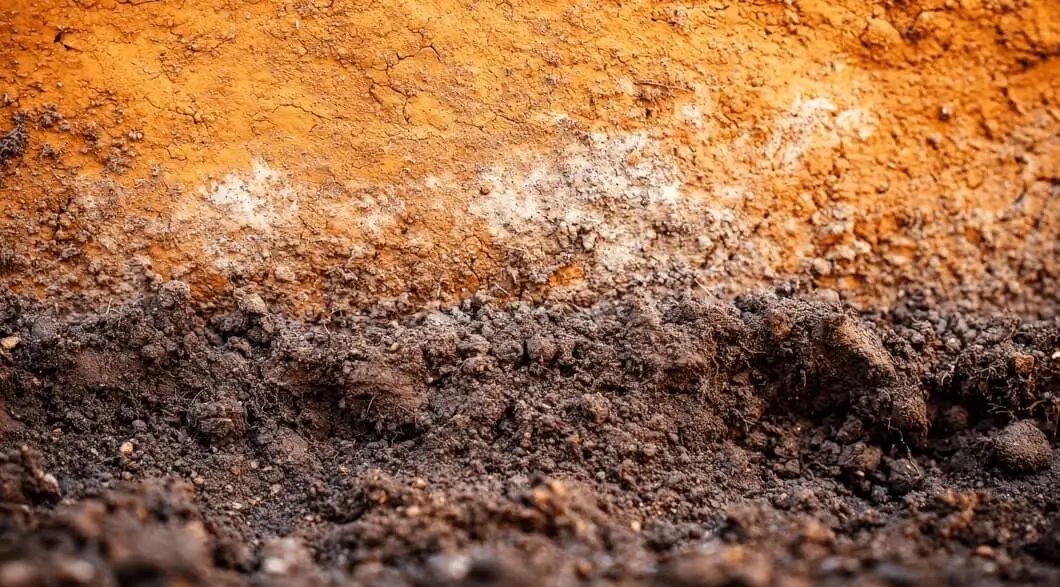
If you’ve noticed a fuzzy white or green layer forming on the surface of your container soil, you’re not alone. Mold on soil is a common issue for container gardeners, especially when growing fruit trees in pots. While it may look alarming, mold is often a sign of excess moisture, poor airflow, or organic matter breaking down—not always a serious threat. However, if left unchecked, it can lead to root problems, pest attraction, and weakened plant health.
In this guide, you’ll learn exactly why mold forms on soil, whether it’s harmful, and the most effective ways to eliminate it and prevent it from coming back—so your potted fruit plants stay healthy, productive, and mold-free.
Why Mold on Soil Surface in Containers Matters for Fruit Gardening
Container fruit gardening is different from growing in the ground. Pots hold moisture longer, have limited airflow, and rely entirely on you for balance. When mold appears on the soil surface, it’s often a warning sign that something in that balance is off.
What soil mold really means
Surface mold is usually a fungus feeding on:
- Constantly damp soil
- Undecomposed organic matter (compost, bark, peat)
- Poor air circulation
In most cases, this mold stays on the surface and does not infect plant roots. However, ignoring it can lead to conditions that do harm your fruit plants over time.
Potential risks if left untreated
- Increased chance of fungal root diseases
- Reduced oxygen around roots
- Fungus gnat infestations
- Slower growth in young or stressed fruit trees
If you’re also seeing issues like drooping or leaf problems, you may want to review this guide on why container fruit trees wilt even when watered to rule out deeper root stress.
What Causes Mold on Soil Surface in Containers?
Understanding the cause makes fixing the problem much easier.
1. Overwatering (most common cause)
Watering too frequently keeps the soil surface constantly damp—perfect conditions for mold. This is especially common in:
- Cool weather
- Shaded balconies or patios
- Large pots with small plants
Many beginners water on a schedule instead of checking soil moisture first.
2. Poor drainage
Even if you water correctly, mold can appear when:
- Pots lack drainage holes
- Drainage holes are blocked
- Soil is compacted and drains slowly
This problem is closely related to soil staying wet too long, which can also cause leaf yellowing and weak growth.
3. Low airflow and humidity
Indoor containers, greenhouses, or crowded patios often have:
- Still air
- High humidity
- Limited sun exposure
These conditions slow evaporation and encourage fungal growth.
4. Rich organic potting mixes
High-quality potting soil often contains compost, bark, or peat. These materials naturally decompose—and mold is part of that process. Fresh potting mixes are especially prone to surface mold during the first weeks.
Is Mold on Soil Dangerous to Fruit Plants?
In most cases, no—surface mold is not directly harmful. But context matters.
Generally harmless when:
- Mold stays only on the soil surface
- Plant leaves look healthy
- Growth is normal
Potentially harmful when:
- Soil smells sour or rotten
- Mold returns quickly after removal
- Leaves start yellowing or dropping
If your plant is also losing leaves, this article on leaf drop in potted fruit trees and how to fix it can help you diagnose whether the problem goes beyond surface mold.
Step-by-Step: How to Remove Mold from Soil Surface in Containers
Follow these steps in order for best results.
Step 1: Remove visible mold
- Use a spoon or small garden trowel
- Gently scrape off the top 1–2 cm (½–1 inch) of affected soil
- Dispose of it—do not compost it indoors
Step 2: Let the soil dry properly
- Move the container to a brighter, well-ventilated area
- Allow the top 5–7 cm (2–3 inches) of soil to dry before watering again
A moisture meter can help beginners avoid guessing.
Step 3: Improve airflow
- Space containers apart
- Open windows or vents if growing indoors
- Use a small fan on low setting for indoor plants
Step 4: Apply a natural antifungal (optional)
Lightly sprinkle one of the following on the soil surface:
- Cinnamon powder (natural antifungal)
- Baking soda solution (very diluted, occasional use)
- Neem oil soil drench (only if mold persists)
Long-Term Prevention: Stop Mold from Coming Back
Water smarter, not more
- Water only when the top layer feels dry
- Deep water, then allow proper drying
- Avoid frequent light watering
If you struggle with watering balance, this guide on container fruit tree watering mistakes beginners make is worth reviewing.
Upgrade your soil mix
Use a well-draining container mix that includes:
- Perlite or pumice
- Coco coir instead of heavy peat
- Minimal unfinished compost
Ensure proper drainage
- Always use pots with drainage holes
- Elevate pots slightly so water can escape
- Avoid decorative cache pots without drainage
Add a dry top layer
A thin top dressing helps keep the soil surface dry:
- Horticultural sand
- Fine gravel
- Pine bark fines
This reduces surface moisture where mold starts.
Common Mistakes Beginners Make
Mistake 1: Treating mold like a plant disease
Surface mold is usually environmental—not a disease attacking your plant.
Mistake 2: Replacing all the soil immediately
Full soil replacement is rarely necessary unless the soil smells bad or drainage is poor.
Mistake 3: Overusing fungicides
Chemical fungicides often make things worse by:
- Killing beneficial microbes
- Disrupting soil balance
- Not addressing the root cause
Mistake 4: Keeping containers in constant shade
Most fruit plants need light—not just for growth, but to help soil dry properly.
Best Containers, Tools, and Care Tips
Ideal containers
- Terracotta pots (breathe better than plastic)
- Fabric grow bags for fruit trees
- Pots sized correctly for plant roots
Helpful tools
- Moisture meter (great for beginners)
- Bottom watering trays (used carefully)
- Mulch materials for dry top layers
If your plant also shows weak stems or floppy growth, this article on why young fruit trees develop weak stems in pots may help identify related care issues.
FAQ: Mold on Soil Surface in Containers
Why does white mold keep coming back on potting soil?
Recurring mold usually means the soil stays too wet or airflow is poor. Adjust watering habits and improve ventilation.
Can moldy soil harm fruit roots?
Surface mold usually doesn’t harm roots, but consistently wet soil can eventually cause root rot.
Is mold more common indoors than outdoors?
Yes. Indoor environments often have less airflow and slower evaporation.
Should I repot my plant if soil has mold?
Only if mold persists despite corrections, or if the soil smells sour and drains poorly.
Does sunlight kill soil mold?
Indirect sunlight helps dry the soil, which discourages mold growth—but intense sun isn’t required.
Conclusion: Keep Mold Away with Better Balance
Mold on soil surface in containers is not a failure—it’s feedback. It tells you the soil is staying wet too long, airflow is limited, or organic matter is breaking down faster than conditions allow.
By adjusting watering habits, improving drainage, and allowing the soil surface to dry properly, you can eliminate mold and create a healthier environment for your container fruit plants. Start by scraping off visible mold, let the soil breathe, and focus on long-term prevention rather than quick chemical fixes.
With the right balance, your containers will stay clean, roots will stay healthy, and your fruit plants will grow stronger season after season.