
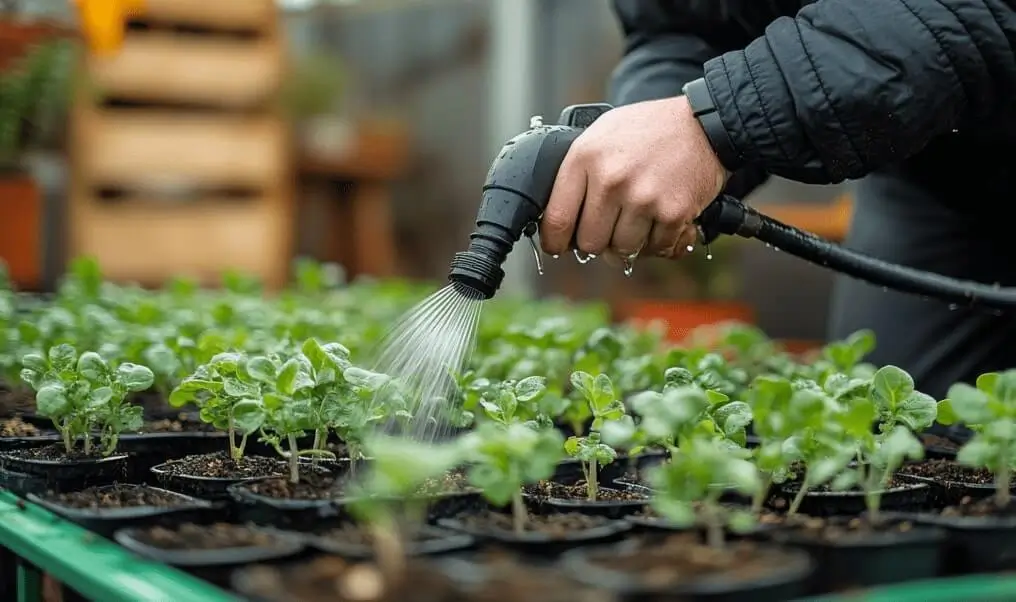
Repotting is one of the most important steps in growing healthy fruit trees in containers—but what you do after repotting matters just as much. Proper watering is critical during this transition period, as newly repotted fruit trees are more vulnerable to stress, root damage, and transplant shock. Too much water can suffocate roots, while too little can slow recovery and stunt growth.
In this beginner-friendly guide, you’ll learn exactly how to water newly repotted fruit trees, avoid common mistakes, and help your plants establish strong roots for healthy growth and better harvests.
Why Watering Newly Repotted Fruit Trees Matters in Containers
Container fruit trees depend entirely on you for water. Unlike in-ground trees, they can’t search deeper soil layers when moisture is scarce—or escape waterlogged conditions.
After repotting, several things happen at once:
- Root hairs are damaged or lost, reducing water uptake.
- Fresh potting mix drains differently than old soil.
- The tree experiences transplant shock, increasing stress.
Proper watering helps by:
- Settling soil around roots and removing air pockets
- Supporting new root growth
- Reducing leaf drop and wilting
- Preventing root rot during recovery
If you grow fruit trees on balconies, patios, or rooftops, mastering this stage is essential. It’s also closely linked to container size, drainage, and seasonal conditions—topics covered in our guide on choosing the right container size for fruit trees, which helps prevent overwatering issues from the start.
When to Water After Repotting a Fruit Tree
Water Immediately After Repotting
The first watering is non-negotiable. As soon as repotting is complete:
- Water slowly and deeply
- Continue until water flows freely from drainage holes
- Pause, then water again after a few minutes
This initial soak:
- Eliminates air gaps
- Brings roots into direct contact with soil
- Activates microbial life in fresh potting mix
Skipping this step is one of the most common beginner mistakes.
The First 7–14 Days: The Critical Window
During the first two weeks:
- Roots are fragile and inefficient
- The tree relies on consistent moisture—not extremes
Check moisture daily, especially in warm or windy weather. Instead of watering on a fixed schedule, use the soil’s condition as your guide (more on that below).
How Much Water Does a Newly Repotted Fruit Tree Need?
There is no universal amount, but there is a correct approach.
The Right Way to Judge Water Needs
Use the finger test:
- Insert your finger 2–3 inches into the soil
- If it feels dry → water
- If it feels slightly moist → wait
- If it feels wet or soggy → do not water
For more precision, see our in-depth guide on checking soil moisture for container fruit trees, which explains simple tools and visual signs beginners can trust.
Signs You’re Watering Correctly
- Leaves remain firm and upright
- New growth appears after 2–3 weeks
- No sour smell from soil
- Water drains freely from the pot
Step-by-Step: How to Water Newly Repotted Fruit Trees Correctly
Step 1: Use the Right Watering Method
Avoid dumping water all at once. Instead:
- Water slowly using a watering can or hose with a gentle flow
- Allow water to soak in gradually
- Repeat until runoff appears
Slow watering ensures moisture reaches the entire root zone.
Step 2: Water Around the Root Zone, Not the Trunk
Direct water evenly across the soil surface. Avoid concentrating water directly against the trunk, which can encourage rot and fungal issues.
Step 3: Observe Drainage
If water pools on the surface or drains very slowly:
- Soil may be compacted
- Drainage holes may be blocked
Good drainage is essential after repotting. If this is a recurring issue, review your soil mix and container setup.
Step 4: Adjust for Weather and Location
- Hot, sunny balconies → more frequent checks
- Shaded patios → slower drying
- Windy locations → increased water loss
If you use automated systems, our article on drip irrigation for balconies and small spaces explains how to fine-tune flow for newly repotted trees.
Best Soil and Containers for Easier Watering
Ideal Potting Mix for Newly Repotted Fruit Trees
Choose or create a mix that:
- Drains well but holds some moisture
- Contains organic matter (compost or coco coir)
- Includes perlite or pumice for aeration
Avoid garden soil—it compacts easily and holds too much water in containers.
Container Features That Help Prevent Overwatering
- Multiple drainage holes
- Elevated feet or pot risers
- Light-colored pots in hot climates
The right container makes watering more forgiving, especially during recovery.
Common Mistakes Beginners Make (And How to Avoid Them)
1. Watering on a Fixed Schedule
Watering every day “just in case” often leads to root rot. Always check soil moisture first.
2. Panic-Watering a Wilting Tree
Wilting after repotting doesn’t always mean thirst—it can also signal root stress. Overwatering makes the problem worse.
3. Ignoring Seasonal Differences
Newly repotted trees need less water in cool weather. If repotting happens near winter, review our seasonal advice in watering fruit trees during winter in containers to avoid cold, wet roots.
4. Poor Drainage
No amount of correct watering can compensate for bad drainage. Fix the container setup first.
Special Care Tips for the First Month After Repotting
- Keep the tree out of harsh midday sun for 7–10 days
- Avoid fertilizing immediately (wait 3–4 weeks)
- Mulch lightly with bark or straw to stabilize moisture
- Watch leaves closely—yellowing often signals excess water
Patience is key. Healthy recovery is slow but steady.
FAQ: Watering Newly Repotted Fruit Trees
How often should I water a newly repotted fruit tree?
Water when the top 2–3 inches of soil are dry. This may be every 2–3 days in warm weather or once a week in cool conditions.
Can I overwater a newly repotted fruit tree?
Yes. Overwatering is one of the most common causes of transplant failure in container fruit trees.
Should I mist the leaves after repotting?
Light misting can help reduce stress in dry climates, but it does not replace proper root watering.
Is rain enough for newly repotted fruit trees outdoors?
Sometimes. Always check soil moisture after rain—light showers often don’t penetrate deeply enough.
When can I return to normal watering routines?
After 3–4 weeks, once you see new growth and stable leaf health.
Conclusion: Set the Foundation for Healthy Growth
Watering newly repotted fruit trees isn’t about guessing—it’s about observing, adjusting, and responding to your tree’s real needs. By watering deeply, checking soil moisture, ensuring good drainage, and avoiding common mistakes, you give your tree the best chance to recover quickly.
Your next steps:
- Check drainage and soil mix
- Monitor moisture daily for two weeks
- Adjust watering based on weather and location
Master this stage, and you’ll see stronger roots, healthier leaves, and better fruiting in the seasons ahead.