
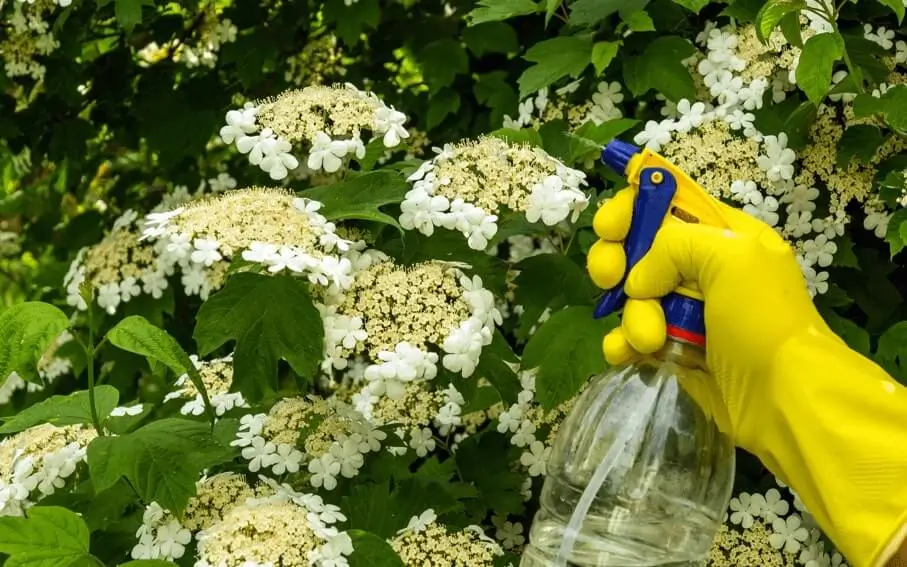
Watering fruit trees during flowering is one of the most important steps for ensuring healthy blooms, strong fruit set, and a productive harvest. During this delicate stage, fruit trees need consistent moisture to support flower development without causing stress or disease problems. Too little water can lead to flower drop and poor fruit production, while overwatering may damage roots and reduce pollination success. In this guide, you’ll learn how to water fruit trees correctly during flowering, avoid common mistakes, and keep your container or backyard trees healthy for a better harvest season.
Why Watering Fruit Trees During Flowering Matters (Especially in Containers)
Flowering is the bridge between growth and fruiting. During this short but critical period, fruit trees shift energy from leaves and branches into blossoms—and that process demands stable moisture.
For container fruit gardening, the stakes are even higher:
- Pots dry out faster than ground soil
- Roots are confined and more sensitive to mistakes
- Temperature swings affect moisture levels quickly
When watering fruit trees during flowering is inconsistent, trees respond by:
- Dropping flowers (poor fruit set)
- Producing weak or misshapen fruit
- Becoming stressed and vulnerable to pests
Unlike leaf growth, flowering cannot recover once damaged. Miss this window, and the season’s harvest suffers no matter how well you care for the tree later.
How Much Water Do Fruit Trees Need During Flowering?
There’s no single number—but there is a reliable method.
The Golden Rule
During flowering, soil should be consistently moist but never soggy.
- Water deeply until excess drains from the bottom
- Wait until the top 2–3 cm (1 inch) of soil dries before watering again
This usually means:
- Every 1–2 days in warm, dry weather
- Every 2–4 days in mild or humid conditions
If you’re unsure, use the finger test or a moisture meter rather than sticking to a schedule.
For a deeper understanding of overall water quantities, see our guide on how much water fruit trees actually need in pots, which explains volume by container size and tree age.
Step-by-Step: Correct Way to Water Fruit Trees During Flowering
Step 1: Water Slowly and Deeply
Avoid quick splashes. Slow watering allows moisture to reach the full root zone and prevents dry pockets.
Best methods:
- Watering can with a rose head
- Drip irrigation on low flow
Step 2: Water Early in the Day
Morning watering:
- Reduces evaporation
- Prevents fungal problems on flowers
- Supports pollination activity
Evening watering during flowering increases disease risk, especially in humid climates.
Step 3: Ensure Proper Drainage
Flowering trees are extremely sensitive to waterlogged roots. Containers must have:
- Drainage holes
- Free-flowing soil (not compacted)
If water pools on the surface, stop immediately and reassess your soil mix.
To avoid common drainage issues, read our beginner-friendly guide on preventing root rot in container fruit trees.
Adjusting Watering by Weather and Climate
Hot & Dry Conditions
- Check soil daily
- Use mulch to slow evaporation
- Consider moving pots to light afternoon shade
Cool or Rainy Weather
- Reduce watering frequency
- Ensure pots are not collecting rainwater
- Elevate containers slightly for airflow
Rain can be deceptive. Even after rainfall, containers may stay waterlogged while surface soil looks dry.
Common Mistakes When Watering Fruit Trees During Flowering
1. Overwatering “to Be Safe”
This is the most damaging mistake. Overwatering during flowering leads to:
- Flower drop
- Oxygen-starved roots
- Reduced fruit set
2. Letting Soil Fully Dry Out
Even one severe dry spell during flowering can cause irreversible blossom loss.
3. Watering the Leaves and Flowers
Always water at soil level. Wet blossoms:
- Attract fungal diseases
- Interfere with pollination
4. Ignoring Tree Age
Young and mature trees have different needs. If you’re growing both, review our article on watering young vs mature fruit trees in containers to avoid under- or overwatering.
Soil, Mulch, and Containers: Hidden Factors That Affect Watering
Best Soil for Flowering Fruit Trees
Use a well-draining mix:
- Quality potting soil
- Compost (20–30%)
- Perlite or sand for aeration
Avoid heavy garden soil—it compacts easily and holds too much water.
Mulching During Flowering
Mulch stabilizes moisture and temperature. Apply:
- 3–5 cm (1–2 inches) of organic mulch
- Keep mulch away from the trunk
Learn more in our complete guide to mulching container fruit trees for better water control.
Container Size Matters
Small pots dry faster and stress flowering trees. If roots are crowded, flowering will suffer no matter how well you water.
Water Quality During Flowering: Does It Matter?
Yes—especially for potted fruit trees.
- Hard tap water can raise soil pH
- Chlorine buildup stresses roots over time
If possible, alternate with rainwater or let tap water sit overnight before use. Our comparison of rainwater vs tap water for fruit trees explains when and why it makes a difference.
FAQ: Watering Fruit Trees During Flowering
Should I water fruit trees every day during flowering?
Only if soil dries quickly. Check moisture first—daily watering isn’t always necessary and can be harmful.
Can overwatering cause flowers to fall off?
Yes. Overwatering is one of the main causes of blossom drop in container fruit trees.
Is it safe to fertilize while flowering?
Light feeding is fine, but excessive nitrogen during flowering encourages leaf growth at the expense of fruit.
Should I reduce watering after flowering ends?
Gradually, yes. Once fruit sets, adjust watering based on fruit size and weather rather than flowering needs.
Do all fruit trees need the same watering during bloom?
No. Citrus, stone fruits, and apples all differ slightly, but the principle of consistent moisture applies to all.
Conclusion: Consistent Watering Is the Key to Flower-to-Fruit Success
Watering fruit trees during flowering isn’t about more water—it’s about better timing, consistency, and observation. For container-grown trees, small mistakes have big consequences, but with the right habits, you can protect blossoms, support pollination, and set the stage for a healthy harvest.
Your next steps:
- Check soil moisture daily during flowering
- Improve drainage and soil structure if needed
- Mulch to stabilize moisture
- Adjust watering based on weather, not habit
Master this stage, and you’ll see the results in stronger fruit set, healthier trees, and better yields—season after season.