
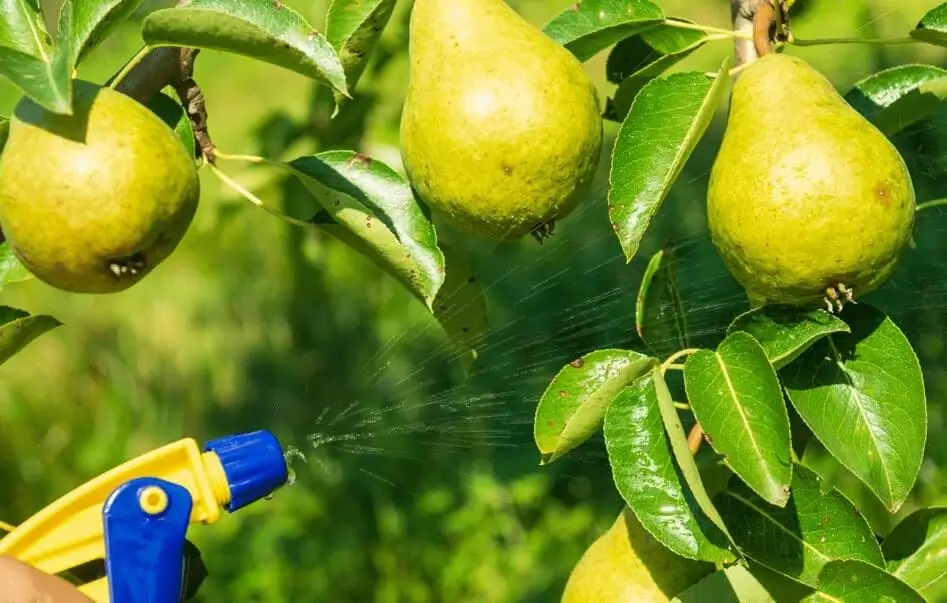
Watering fruit trees during the fruiting stage is one of the most important factors for producing larger, sweeter, and juicier harvests. At this stage, trees need consistent moisture to support fruit development, prevent fruit drop, and maintain healthy growth. However, too much water can cause root problems, cracked fruits, and bland flavor. Learning how to water properly during fruiting helps container gardeners and home growers achieve healthier trees and higher-quality harvests without the risk of overwatering.
Why Watering Fruit Trees During Fruiting Matters (Especially in Containers)
During fruiting, a tree shifts its energy from leaf and root growth to fruit development. That fruit is mostly water. If moisture levels fluctuate too much, the tree responds by dropping fruit or producing poor-quality harvests.
For container fruit gardening, the challenge is bigger because:
- Pots dry out faster than garden soil
- Roots are confined and stress easily
- Heat builds up quickly in containers
- Overwatering risks are higher without good drainage
Consistent watering during fruiting directly affects:
- Fruit size – steady moisture = plumper fruit
- Flavor & sweetness – stress reduces sugar accumulation
- Fruit retention – drought causes fruit drop
- Tree health – stressed roots invite disease
If you’ve struggled with dropped fruit or bland harvests, improving watering during fruiting is often the missing piece.
How Fruit Trees’ Water Needs Change During Fruiting
Before fruiting, trees tolerate slight drying between waterings. Once fruit sets, that changes.
Key shifts during fruiting:
- Water demand increases steadily, not suddenly
- Roots need oxygen and moisture
- Inconsistent watering causes stress faster
A common beginner mistake is watering heavily one day, then letting the pot dry completely the next. This swing stresses the tree and damages fruit quality.
For a deeper understanding of how water quality affects uptake and nutrient availability, see this guide on water quality for fruit trees and how minerals and salts influence root health.
Step-by-Step: How to Water Fruit Trees During Fruiting (Best Practices)
Step 1: Check Moisture the Right Way
Forget surface dryness. During fruiting, always check below the top layer.
Best methods:
- Finger test: insert finger 5–7 cm deep
- Wooden stick test: dry stick = water needed
- Moisture meter (optional but helpful)
Soil should feel slightly moist, never soggy or bone-dry.
Step 2: Water Deeply, Not Frequently
Light, shallow watering encourages weak surface roots.
Correct technique:
- Water slowly until water drains from the bottom
- Pause, then water again lightly
- Empty saucers after 10–15 minutes
Deep watering ensures moisture reaches the full root zone.
If you grow indoors or in sheltered spaces, this guide on watering indoor fruit trees correctly explains how to adjust watering without causing root problems.
Step 3: Adjust Frequency Based on Conditions
There’s no universal schedule. During fruiting, frequency depends on:
- Pot size
- Temperature
- Wind exposure
- Tree size and fruit load
General container guidelines:
- Small pots (10–15 L): daily in hot weather
- Medium pots (20–40 L): every 1–2 days
- Large tubs (50 L+): every 2–4 days
Young trees and mature fruiting trees behave differently—this comparison of watering young vs mature fruit trees helps fine-tune your approach.
Step 4: Maintain Consistency Above All
Consistency matters more than volume.
- Avoid letting soil dry completely
- Avoid soaking already-wet soil
- Keep a regular rhythm
Sudden drought followed by heavy watering is a common cause of fruit splitting, especially in citrus, tomatoes (yes, fruit!), and stone fruits.
Container-Specific Tips for Watering During Fruiting
Use the Right Container
Choose pots with:
- Multiple drainage holes
- Light-colored exteriors (less heat buildup)
- Enough volume for root stability
If drainage is poor, fruiting stress increases dramatically. Learn how to avoid root rot in container fruit trees before fruiting problems appear.
Optimize Your Soil Mix
Ideal fruiting soil should:
- Drain well
- Retain moisture evenly
- Stay airy even when wet
Avoid heavy garden soil. A good mix usually includes:
- Quality potting soil
- Compost (20–30%)
- Perlite or coarse sand
Mulch the Soil Surface
Mulching is one of the easiest ways to stabilize moisture.
Benefits during fruiting:
- Reduces evaporation
- Keeps roots cooler
- Prevents sudden drying
Organic mulches work best. This guide on mulching for container fruit gardening explains exactly how much to use and which materials work best.
Common Watering Mistakes During Fruiting (And How to Fix Them)
1. Overwatering Out of Fear
Symptoms:
- Yellowing leaves
- Wilting despite wet soil
- Sour-smelling soil
Fix: Let soil dry slightly between deep waterings.
2. Letting Soil Dry Completely
Symptoms:
- Fruit drop
- Leaf curl
- Bitter or undersized fruit
Fix: Increase frequency, not volume.
3. Watering Only the Surface
Symptoms:
- Weak growth
- Shallow roots
- Rapid drying
Fix: Slow, deep watering every time.
4. Ignoring Weather Changes
Heat waves increase water needs overnight.
Fix: Check moisture daily during extreme weather.
Best Water Sources for Fruiting Trees
Water quality affects nutrient absorption and fruit taste.
Best options:
- Rainwater (ideal balance)
- Filtered tap water
- Dechlorinated tap water
If you’re choosing between sources, this comparison of rainwater vs tap water for fruit trees explains which works best during fruiting and why.
Tools That Make Watering During Fruiting Easier
- Moisture meters – prevent guesswork
- Self-watering containers – stabilize moisture
- Drip irrigation kits – consistent delivery
- Mulch – simplest moisture regulator
You don’t need all of them—just one or two can dramatically improve results.
FAQ: Watering Fruit Trees During Fruiting
How often should I water fruit trees during fruiting?
Most container fruit trees need watering every 1–3 days during fruiting, depending on pot size, heat, and fruit load.
Can overwatering reduce fruit quality?
Yes. Overwatering reduces oxygen in the root zone, leading to bland flavor, weak growth, and disease risk.
Should I reduce watering once fruit starts ripening?
Slightly reducing water near final ripening can improve sweetness, but never let soil dry completely.
Why is my fruit splitting even though I water regularly?
Fruit splitting is often caused by inconsistent watering, not lack of water.
Is morning or evening watering better during fruiting?
Early morning is best. It reduces evaporation and allows roots to absorb moisture before heat stress.
Conclusion: Water Smarter for Better Fruit
Watering fruit trees during fruiting is all about consistency, depth, and balance—especially in containers. When you maintain steady moisture, use proper soil and drainage, and adapt to weather conditions, your trees reward you with larger, sweeter, healthier fruit.
Next steps:
- Check your container drainage today
- Add mulch if soil dries quickly
- Track moisture for one full week
- Adjust watering before fruit problems appear
Master this stage, and fruiting becomes the most rewarding part of growing fruit at home. 🍎🌱