
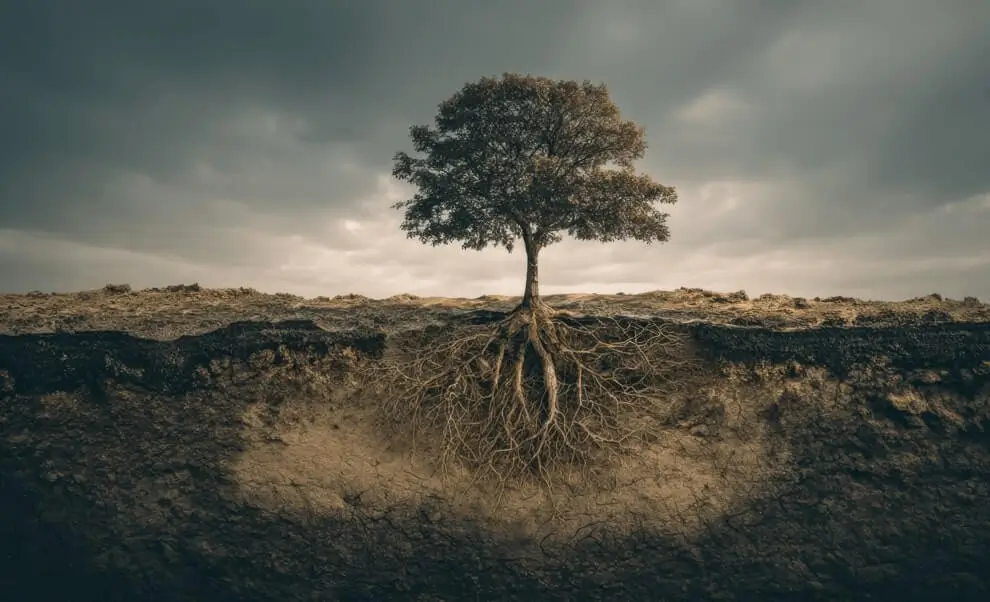
Choosing the right soil depth is one of the most important factors for growing healthy fruit trees in containers and small spaces. Different fruit trees need different root space to grow properly, produce fruit, and stay healthy over time. If the soil is too shallow, trees may struggle with weak growth, poor fruit production, and frequent watering problems. In this complete beginner-friendly guide, you’ll learn how deep soil should be for popular container fruit trees, why soil depth matters, and how to create the ideal growing environment for strong roots and productive plants.
Why Soil Depth Matters for Container Fruit Gardening
Soil depth isn’t just about “giving roots room.” In container fruit gardening, it directly affects:
1. Root Development & Tree Stability
Fruit trees rely on deep, well-structured soil to anchor themselves. Shallow soil forces roots to circle the pot, leading to root binding and unstable trees that are prone to tipping over.
2. Water & Drainage Balance
Deeper soil holds moisture more evenly. Shallow containers dry out quickly, while poorly designed deep pots can trap water. Proper depth allows excess water to drain while retaining enough moisture for feeder roots.
If you’ve struggled with soggy soil before, review this guide on preventing soil compaction in containers for drainage-focused solutions.
3. Nutrient Availability
Fruit trees are long-term plants. Limited soil depth means limited nutrient availability, requiring constant fertilization and increasing the risk of deficiencies.
4. Temperature Regulation
Deeper soil buffers roots from heat and cold. Shallow containers overheat in summer and chill quickly in winter—both stress fruit trees.
How Deep Should Soil Be for Fruit Trees? (Exact Guidelines)
Here’s a practical breakdown based on fruit tree type:
Minimum Soil Depth by Tree Size
| Fruit Tree Type | Ideal Soil Depth | Container Volume |
| Strawberries & berries | 8–12 inches (20–30 cm) | 3–5 gallons |
| Dwarf fruit trees | 16–20 inches (40–50 cm) | 10–15 gallons |
| Semi-dwarf fruit trees | 20–24 inches (50–60 cm) | 20–25 gallons |
| Full-size trees (pots only) | 24–30 inches (60–75 cm) | 30+ gallons |
Rule of thumb: Soil depth should be at least 1.5× the root ball height at planting time.
Soil Depth for Popular Container Fruit Trees
- Citrus (lemon, orange, lime): 18–24 inches
- Fig trees: 20–24 inches (see best soil for fig trees in pots)
- Apple & pear (dwarf): 18–22 inches
- Peach & nectarine (dwarf): 20–24 inches
- Avocado (container-grown): 24+ inches
Step-by-Step: Setting the Correct Soil Depth in Containers
Step 1: Measure the Root Ball
Before choosing a pot, measure:
- Root ball height
- Root ball width
Add 6–10 inches (15–25 cm) of extra soil depth below the root ball.
Step 2: Choose the Right Container Shape
- Tall pots are better than wide, shallow ones.
- Avoid decorative pots with narrow bases.
- Ensure multiple drainage holes.
If you’re unsure which soil works best once depth is correct, see how to improve poor potting soil.
Step 3: Skip the “Rock Layer” Myth
Do not add gravel or rocks at the bottom. This raises the water table and reduces usable soil depth. Instead, rely on:
- Proper drainage holes
- Well-aerated potting mix
Step 4: Use a High-Quality, Deep-Root Mix
A good container fruit tree soil should include:
- 40–50% organic matter
- 20–30% aeration material (perlite, bark)
- 20–30% water-retentive base
For DIY options, refer to organic soil recipes for containers.
Common Soil Depth Mistakes Beginners Make
1. Choosing Pots Based on Width Only
Wide but shallow containers restrict taproots and reduce drought resistance.
2. Underestimating Future Growth
That small sapling will outgrow shallow soil within a single season.
3. Overfilling Without Drainage
Deeper soil without drainage equals root rot.
If your tree shows stress symptoms, compare them with this guide on soil problems in container gardening.
4. Compacting Soil to “Fit More.”
Pressed-down soil removes air pockets, suffocating roots.
Soil, Containers & Care Tips for Deep-Rooted Success
Best Containers for Proper Soil Depth
- Fabric grow bags (excellent aeration)
- Heavy-duty plastic planters
- Glazed ceramic pots (with drainage)
Avoid thin decorative pots that crack under the weight of deep soil.
Watering Adjustments for Deeper Soil
- Water slowly and deeply
- Check moisture 4–6 inches below the surface.
- Reduce watering frequency, not volume.
Fertilizing Deep Containers
Deeper soil dilutes nutrients over time. Use:
- Slow-release organic fertilizers
- Compost top-dressing every 6–8 weeks.
If you’re unsure when to stop feeding, read when to stop fertilizing fruit trees.
Frequently Asked Questions (FAQ)
How deep should the soil be for fruit trees in pots?
Most fruit trees need 16–24 inches of soil depth in containers, depending on size and root system.
Can fruit trees grow in shallow containers?
Only small berries and temporary young trees. Long-term fruit trees will decline in shallow soil.
Is deeper soil always better?
No. Excess depth without drainage causes waterlogging. Depth must match container design and soil mix.
How often should I repot as soil depth increases?
Every 2–3 years, or when roots circle the pot.
Can I grow fruit trees in raised beds instead of pots?
Yes, as long as the soil depth is at least 18–24 inches and the subsoil is loose.
Conclusion: The Right Soil Depth Makes or Breaks Container Fruit Trees
Understanding how deep the soil should be for fruit trees is one of the most important decisions you’ll make in container gardening. Proper soil depth supports healthy roots, stable growth, efficient watering, and long-term fruit production.
Next steps:
- Measure your current containers.
- Upgrade shallow pots if needed.
- Improve soil structure and drainage.
- Repot before growth stalls
With the right depth and care, even small-space gardeners can enjoy strong, productive fruit trees year after year. 🍎🌿