
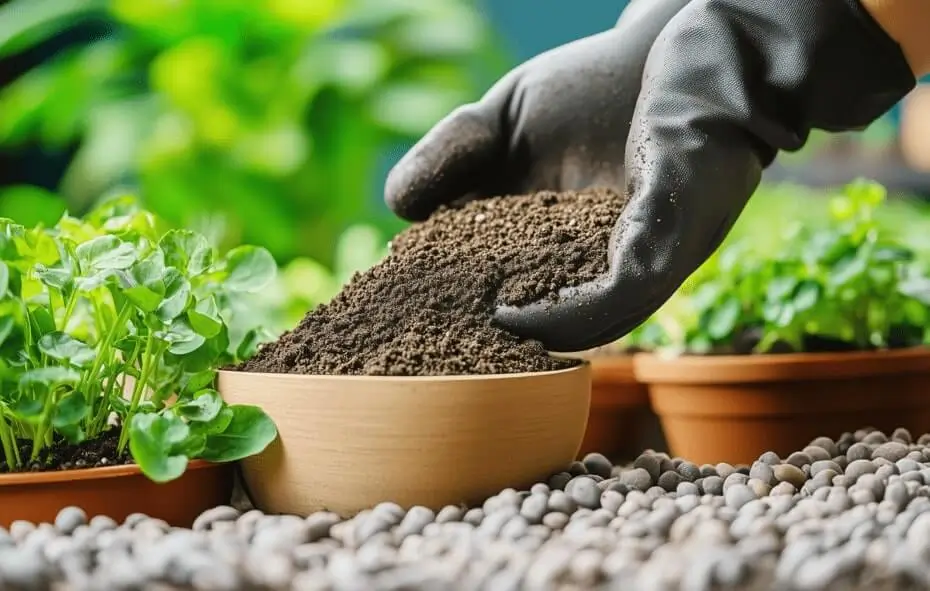
Creating the perfect soil mix is one of the most important steps for successful container fruit gardening. A healthy soil blend provides proper drainage, moisture retention, nutrients, and airflow for strong root growth. Whether you are growing lemons, strawberries, blueberries, or dwarf fruit trees, using the right soil formula can dramatically improve plant health and fruit production. In this guide, you will learn an easy beginner-friendly soil mix formula that helps container fruit plants thrive in small spaces and home gardens.
Why a Beginner-Friendly Soil Mix Formula Matters for Container Fruit Gardening
Container fruit plants live in a closed environment. Unlike garden beds, they rely entirely on the soil inside the pot for:
- Oxygen to roots
- Water storage and drainage
- Nutrient availability
- Beneficial microbial activity
If the soil is too dense, roots suffocate. If it drains too fast, plants dry out and starve. A well-balanced soil mix is the foundation of healthy root systems, steady growth, and consistent fruiting.
For beginners, a reliable soil formula helps you avoid:
- Root rot caused by waterlogged soil
- Nutrient burn from over-fertilizing
- Stunted growth due to compacted mixes
If you’re unsure whether your current soil is helping or hurting, our guide to improving poor potting soil explains the warning signs and quick fixes.
The Beginner-Friendly Soil Mix Formula (Simple & Proven)
This formula works for most container fruit plants, especially in small-space gardening.
The Core Soil Mix Ratio
- 40% high-quality potting soil or coco coir
- 30% compost (well-aged)
- 20% aeration material
- 10% moisture-balancing amendment
Let’s break down each component and why it matters.
Step-by-Step: How to Make the Soil Mix
Step 1: Choose the Base (40%)
Your base provides structure and holds nutrients.
Best options for beginners:
- Organic potting soil (peat-free if possible)
- Coco coir-based potting mix.
Avoid using garden soil—it compacts easily and restricts root growth. If you’re growing indoors, pairing this mix with guidance from the best soil for indoor fruit trees ensures stable moisture and airflow.
Step 2: Add Compost for Nutrition (30%)
Compost feeds plants slowly and supports beneficial microbes.
Use:
- Fully finished compost
- Vermicompost (worm castings) – replace up to 10% of compost.
Benefits:
- Improves nutrient retention
- Buffers pH
- Encourages healthy root development
If you’re unsure how much compost is too much, our article on soil additives for healthy roots explains safe ratios in detail.
Step 3: Improve Aeration (20%)
Aeration prevents compaction and root suffocation.
Good choices:
- Perlite (lightweight, excellent drainage)
- Pumice (long-lasting structure)
- Rice hulls (eco-friendly alternative)
Never skip this step—many beginner soil failures happen here. Poor aeration is one of the leading causes of root problems discussed in ” How to fix poor root growth.
Step 4: Balance Moisture (10%)
This final component stabilizes watering.
Options:
- Coco chips
- Pine bark fines
- A small amount of vermiculite (for dry climates)
This step helps maintain consistent moisture without waterlogging, which is especially important when learning to balance drainage and moisture in containers.
Optional Boosters (Beginner-Safe)
Use these only if needed—keep it simple at first.
- Mycorrhizal fungi improve nutrient uptake.
- Slow-release organic fertilizer – prevents nutrient spikes.
- Biochar (pre-charged) – enhances microbial activity.
Avoid adding multiple fertilizers at once. Overloading soil is a common beginner mistake.
Adjusting the Formula for Different Fruit Plants
Strawberries & Shallow-Rooted Fruits
- Increase compost to 35%
- Slightly reduce the aeration material.
Citrus & Figs
- Increase aeration to 25%
- Use bark fines for long-term structure.
Dwarf Fruit Trees
- Maintain the full formula.
- Use deeper containers and monitor soil depth (see how deep soil should be for fruit trees)
Common Mistakes Beginners Make with Soil Mixes
1. Using Garden Soil in Containers
Garden soil compacts quickly and drains poorly—leading to root rot.
2. Skipping Aeration Materials
Dense soil = oxygen-starved roots.
3. Overusing Compost
Too much compost can retain excess water, leading to a nutrient imbalance.
4. Constantly Changing Soil Mixes
Frequent repotting disrupts roots and microbial stability. Learn the signs your soil needs changing before replacing it.
5. Ignoring Seasonal Soil Care
Soil behaves differently in hot vs. cool months. A seasonal soil care guide helps prevent summer water stress and winter root damage.
Tools, Containers, and Care Tips for Best Results
Recommended Containers
- Fabric grow bags (excellent airflow)
- Plastic pots with multiple drainage holes
- Glazed ceramic pots (for hot climates)
Avoid shallow decorative pots without drainage.
Mixing Tools
- Large bucket or tarp
- Garden trowel
- Measuring container (consistency matters)
Ongoing Care Tips
- Water deeply, then allow partial drying.
- Top-dress with compost every 2–3 months.
- Refresh aeration material annually if needed.
If you notice leaf burn or salt buildup, review nutrient burn in potted fruit trees before adding more fertilizer.
FAQ: Beginner-Friendly Soil Mix Formula
What is the best soil mix for beginners growing fruit in pots?
A balanced mix of potting soil, compost, aeration material, and moisture stabilizers is the safest and most effective option.
Can I use store-bought potting mix alone?
You can, but most benefit from added compost and aeration to support fruiting plants in the long term.
How often should I replace container soil?
Every 12–24 months, depending on plant health and soil structure.
Is this soil mix suitable for indoor fruit plants?
Yes, especially when paired with proper drainage and light management.
Do I need fertilizer if I use compost?
Compost provides a baseline of nutrients, but fruiting plants often need supplemental feeding after several months.
Conclusion: Your Next Steps to Healthier Container Fruit Plants
A beginner-friendly soil mix formula removes confusion and sets your plants up for success from day one. By focusing on structure, aeration, nutrition, and moisture balance, you create an environment where roots thrive—and healthy roots mean better growth and fruiting.
Next steps:
- Mix a small batch using the core formula.
- Test it with one or two container fruit plants.
- Observe drainage, moisture, and growth over 2–3 weeks.
- Adjust slightly based on plant response.
Once you master this soil mix, container fruit gardening becomes simpler, more predictable, and far more rewarding. 🌱