
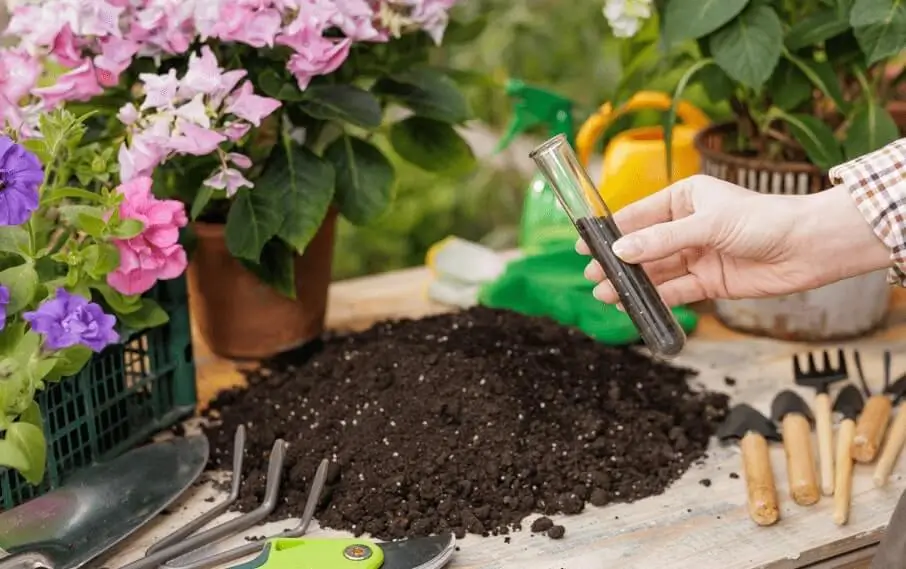
Healthy soil is the foundation of successful container fruit gardening. Even the best fruit plants struggle if the soil lacks proper drainage, nutrients, airflow, or moisture balance. For beginners, understanding what makes good container soil can feel confusing, especially with so many potting mixes and soil additives available.
This beginner-friendly guide provides a complete soil checklist for container fruit gardening so you can confidently create the ideal growing environment for your plants. From drainage and pH levels to organic matter and watering balance, you’ll learn the essential soil factors that help container fruit trees grow stronger roots, healthier leaves, and better harvests.
Why Soil Matters So Much for Container Fruit Gardening
In containers, soil is more than a growing medium—it’s the entire ecosystem for your fruit tree.
Unlike garden soil in the ground, container soil must:
- Drain excess water quickly.
- Hold enough moisture between waterings.
- Provide oxygen to the roots.
- Supply nutrients in a controlled way.
Fruit trees are especially sensitive because they stay in containers for years, not weeks. Poor soil leads to compacted roots, nutrient lockout, and disease. If you’ve ever struggled with soggy pots or slow growth, the issue often stems from an imbalance between drainage and moisture. This is why understanding how to balance drainage and moisture in containers is foundational before planting fruit trees.
Healthy soil creates strong roots. Strong roots create healthy trees. Healthy trees produce fruit. Everything starts below the surface.
The Complete Soil Checklist for Container Fruit Gardening
Use this checklist before planting—and revisit it once or twice per year to keep your containers productive.
1. Use a True Container Soil (Never Garden Soil)
❌ Avoid: Native garden soil or topsoil
✅ Choose: Lightweight potting mix designed for containers
✅ Choose: Lightweight potting mix designed for containers
Garden soil compacts quickly in pots, cutting off oxygen to roots. This is one of the fastest ways to trigger root diseases. If you’re unsure which type to buy, this guide on the best soil for indoor fruit trees explains which labels actually matter and which are just marketing.
Quick check: Pick up the bag—if it feels heavy when dry, it’s likely too dense.
2. Check Drainage First (Before Anything Else)
Drainage is non-negotiable for container fruit trees.
Your soil should:
- Let excess water run out within seconds.
- Never stay soggy for hours.
- Feel moist, not muddy.
Good drainage is the number one defence against root rot. If you’ve lost plants to mushy roots before, reviewing how to avoid root rot in container fruit trees will help you recognize early warning signs.
Checklist tip:
Water the empty pot filled with soil. If water pools on top, fix drainage before planting.
Water the empty pot filled with soil. If water pools on top, fix drainage before planting.
3. Balance Moisture Retention
While drainage is critical, soil that dries out too fast causes stress, leaf drop, and poor fruiting.
Ideal container soil should:
- Hold moisture for 1–3 days (depending on climate)
- Rehydrate easily after drying.
- Do not shrink away from the pot edges.
Ingredients like coco coir or fine compost help with moisture control. This balance is especially important in hot or windy locations where containers dry quickly.
4. Ensure Proper Aeration for Roots
Fruit tree roots need oxygen just as much as water.
Well-aerated soil:
- Feels fluffy, not compacted
- Contains visible particles (perlite, bark, pumice)
- Doesn’t form hard clumps when squeezed
Poor aeration is often mistaken for nutrient deficiency, even when plants are fertilized. If roots can’t breathe, they can’t absorb nutrients effectively.
5. Start with Gentle, Balanced Nutrition
Container soil should provide a mild nutrient base—not a heavy fertilizer load.
Look for:
- Compost or worm castings (slow-release nutrition)
- No strong chemical fertilizer smell
- Neutral to slightly acidic pH (most fruit trees prefer this)
Over-fertilized soil is a common beginner mistake and can burn roots early. If you like mixing your own blends, these organic soil recipes for containers offer safe, beginner-friendly formulas.
6. Match Soil to Tree Size and Pot Depth
Small pots dry faster and need better moisture retention. Large pots drain more slowly and need extra aeration.
Adjust soil structure based on:
- Container size
- Tree age
- Climate (hot vs. cool)
This step is often overlooked but makes a huge difference in the long term, especially for dwarf fruit trees grown for several seasons.
Step-by-Step: How to Prepare Soil Before Planting
Follow this simple process every time you plant a fruit tree in a container:
- Choose a pot with multiple drainage holes.
- Add soil mix—do not layer gravel at the bottom.
- Water the soil fully and let it drain.
- Check texture (moist, airy, not compacted)
- Adjust if needed (add aeration or moisture-retaining material)
- Plant the tree at the same depth as its nursery pot.
Taking 10 extra minutes here can save months of frustration later.
Common Soil Mistakes Beginners Make
Using “All-Purpose” Soil Without Checking Drainage
Not all potting mixes are equal. Many are designed for houseplants, not fruit trees.
Overwatering Dense Soil
Even good soil becomes dangerous when watered too often. Always check the moisture before watering.
Reusing Old, Depleted Soil
Old container soil often lacks structure and nutrients. If you notice slow growth, it’s a clear sign your soil needs changing.
Chasing Problems with Fertilizer
If growth is poor, fix soil structure first—fertilizer won’t help unhealthy roots.
Tools and Materials That Make Soil Management Easier
You don’t need much, but these tools help maintain soil quality:
- Moisture meter (optional but useful)
- Hand trowel for mixing and inspection
- Mulch (pine bark, straw, or coconut husk)
- Quality compost or worm castings
Mulching the soil surface reduces evaporation, stabilizes temperature, and supports beneficial microbes over time.
FAQ: Soil Checklist for Container Fruit Gardening
What is the best soil mix for container fruit trees?
A lightweight, well-draining potting mix with compost and aeration materials like perlite or bark works best.
How often should I change the container soil?
Every 1–2 years for fruit trees, or sooner if drainage worsens or growth declines.
Can I use compost alone in containers?
No. Compost is too dense on its own and must be blended with aeration materials.
Should I add sand to improve drainage?
Avoid sand—it often makes soil heavier. Use perlite or bark instead.
Do fruit trees need special soil indoors?
Yes. Indoor conditions require excellent drainage and careful moisture control to prevent root issues.
Conclusion: Your Practical Next Steps
Successful container fruit gardening starts with soil—not fertilizer, not pruning, not even watering schedules. This soil checklist for container fruit gardening provides a reliable system for evaluating and improving your setup before problems arise. Start by checking drainage, adjusting moisture balance, and choosing soil that supports roots in the long term. If your trees are already planted, review the checklist and make small corrections—soil improvements compound over time. Healthy soil means stronger roots, fewer diseases, and better harvests, even in the smallest growing spaces.