
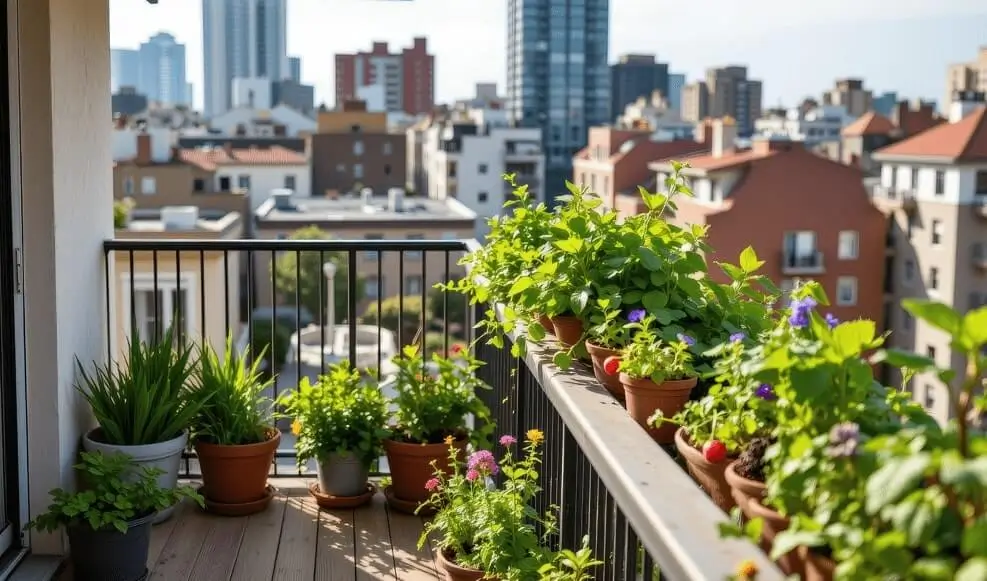
Growing fruit on a balcony is exciting, rewarding, and perfect for small-space gardeners. However, safety should always come first when arranging pots, hanging baskets, tools, and watering systems in elevated spaces. Heavy containers, slippery surfaces, poor weight distribution, and strong winds can all create risks if not managed properly. With the right precautions, you can enjoy a thriving balcony fruit garden that stays safe for you, your family, neighbors, and your plants. This guide covers the most important balcony fruit gardening safety tips to help you grow securely and confidently in any urban space.
Why Balcony Fruit Gardening Safety Tips Matter
Balconies are not designed like garden beds. They face structural limitations, exposure to wind, and strict safety requirements—especially in apartment buildings. Ignoring safety can lead to:
- Cracked tiles or structural stress from excess weight
- Pots tipping or falling during storms
- Water damage to lower floors
- Complaints from neighbors or landlords
- Injury to people below
Fruit plants amplify these risks. Containers for citrus, figs, apples, or berries often require deep pots, moisture-retentive soil, and frequent watering—all of which increase total weight.
If you’re new to container growing, it’s worth first understanding the fundamentals in this beginner-friendly container fruit gardening guide, then layering safety practices on top. Safety doesn’t limit what you can grow—it ensures you can keep growing long-term without problems.
Step-by-Step Balcony Fruit Gardening Safety Tips
1. Check Balcony Load Capacity Before You Plant
One of the most important—and most ignored—balcony fruit gardening safety tips is awareness of weight.
A single large container can weigh:
- 20–30 kg (45–65 lb) dry
- 40–60 kg (90–130 lb) when fully watered
Multiply that by several pots, and you may exceed safe limits.
Best practices:
- Place heavy containers close to walls or corners (the strongest points)
- Avoid clustering all pots in one area.
- Use pot risers to evenly distribute pressure.
- When in doubt, choose dwarf fruit varieties
If you’re unsure which containers are safest, this guide to lightweight pots for apartment gardening explains materials that reduce risk without sacrificing root space.
2. Choose Containers That Won’t Tip or Crack
Container choice is critical for balcony safety.
Avoid:
- Tall, narrow pots
- Cheap plastic that becomes brittle in the sun
- Unglazed ceramic that cracks under freeze–thaw cycles
Safer container options:
- Wide-bottom resin or fibreglass planters
- Fabric grow bags with sturdy bases.
- Reinforced plastic with UV protection
Always make sure containers have proper drainage. Poor drainage not only harms roots—it increases water weight and overflow risk. For more details, see these drainage tips for container fruit trees to balance safety and plant health.
3. Secure Pots Against Wind and Movement
Balconies often create wind tunnels, especially on higher floors. Top-heavy fruit plants can easily tip.
How to prevent tipping:
- Use wide, low-profile containers.
- Add gravel only at the bottom if structurally safe.
- Place pots inside corner brackets or railing guards
- Group plants together to block wind (without overcrowding)
Avoid attaching pots directly to railings unless they’re designed for load-bearing use. Falling objects are one of the biggest balcony gardening hazards.
4. Manage Watering to Prevent Slips and Leaks
Overwatering is both a plant problem and a safety problem.
Risks include:
- Slippery balcony floors
- Water dripping onto neighbours.
- Mould and algae buildup
Smart watering safety tips:
- Use saucers with overflow channels.
- Empty excess water after heavy irrigation
- Water early in the morning to reduce runoff
- Elevate pots slightly to allow controlled drainage.
A consistent watering routine also improves plant health. If you struggle with timing, this watering schedule for potted fruit plants helps avoid excess moisture and safety issues.
5. Use Balcony-Friendly Fruit Plants
Not all fruit plants are equally safe for balconies.
Best choices for safety:
- Dwarf citrus
- Strawberries
- Blueberries
- Figs on dwarf rootstock
- Columnar apple trees
These plants stay compact, require smaller containers, and are easier to secure. If you’re deciding what to grow, compare options using this guide on the best fruit trees for small containers to match safety with productivity.
Common Balcony Fruit Gardening Safety Mistakes Beginners Make
Using Oversized Pots “Just in Case”
Bigger isn’t always better. Oversized containers add unnecessary weight, making plants harder to stabilize.
Ignoring Seasonal Changes
Wet winter soil weighs more. Windstorms are stronger in colder months. Always reassess placement seasonally.
Placing Pots on Balcony Edges
This increases fall risk and exposes plants to extreme wind. Keep containers set back from railings.
Blocking Drainage Outlets
Standing water damages surfaces and creates slipping hazards. Always keep balcony drains clear.
Forgetting Long-Term Growth
Fruit trees grow heavier each year. Plan space and support from the beginning.
Tools, Containers, and Setup Tips for Balcony Safety
Helpful safety-focused tools:
- Pot trolleys with locking wheels
- Anti-slip balcony mats
- Windbreak screens (mesh, not solid panels)
- Moisture meters to prevent overwatering
Soil tips:
- Use high-quality potting mix (lighter than garden soil)
- Avoid dense clay-based mixes.
- Refresh soil annually to maintain structure and drainage.
If you’re growing organically, lighter mixes also help reduce compaction. Learn more in this guide on growing organic fruit in pots while keeping containers manageable.
FAQ: Balcony Fruit Gardening Safety Tips
Is it safe to grow fruit trees on an apartment balcony?
Yes, if you use dwarf varieties, lightweight containers, and follow weight and wind safety guidelines.
How much weight can a balcony safely hold?
It varies by building. Spread weight evenly, avoid clustering pots, and consult building guidelines if available.
Are hanging fruit planters safe?
Only for very light plants like strawberries, and only when hooks are rated for outdoor load-bearing use.
How do I stop pots from falling during storms?
Use wide containers, place them away from edges, group plants together, and add wind barriers.
Can watering damage my balcony or my neighbours’ space?
Yes. Always control runoff with saucers and avoid overwatering, especially on upper floors.
Conclusion: Grow Fruit Safely and Confidently on Your Balcony
Balcony fruit gardening is incredibly rewarding—but safety must come first. By managing weight, choosing the right containers, securing plants against wind, and controlling water runoff, you protect your home, your neighbours, and your garden investment. These balcony fruit gardening safety tips don’t restrict your creativity—they empower you to grow confidently and sustainably.
Next steps:
- Audit your current containers for weight and stability.
- Swap unsafe pots for lighter, wider alternatives.
- Reposition plants away from edges and drains
- Choose compact fruit varieties designed for
With the right setup, your balcony can be both productive and safe—season after season. 🌱