
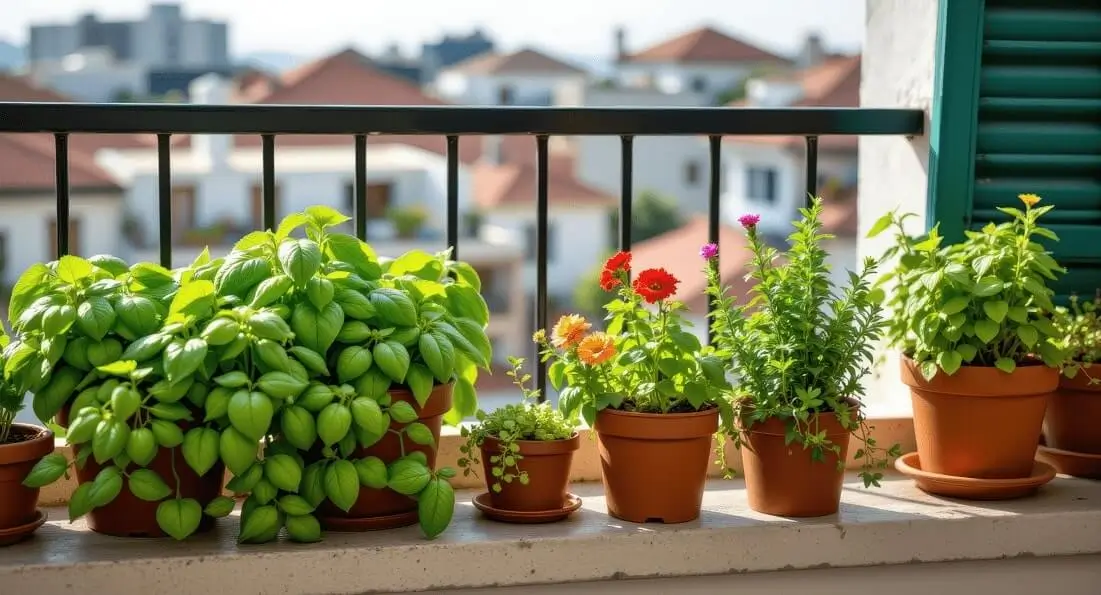
Balcony fruit gardening is one of the easiest and most rewarding ways to grow fresh food in small spaces. Whether you live in an apartment or have only a tiny outdoor area, you can still enjoy growing fruits like strawberries, lemons, figs, blueberries, and even dwarf apple trees right at home. With the right containers, sunlight, soil, and care routine, beginners can successfully create a productive balcony garden without needing a backyard. This complete guide will walk you through every step to help you start growing healthy fruit plants on your balcony with confidence.
Why Fruit Gardening on a Balcony Matters
Fruit gardening on a balcony matters because it solves three common problems at once: lack of space, rising food costs, and limited access to fresh produce. Balcony gardening allows beginners to grow fruit in a controlled environment, making it easier to manage soil quality, watering, and pests compared to open-ground gardens.
For small-space gardeners, containers are a major advantage. They let you:
- Grow fruit where traditional gardening isn’t possible.
- Move plants to follow the sunlight or protect them from harsh weather.
- Control soil conditions for healthier roots and better yields
If you’re new to container fruit gardening, starting on a balcony is often easier than starting in a yard. You can begin small, learn quickly, and expand over time. Many home gardeners even combine this guide with resources like container fruit gardening for balconies to build a complete, long-term setup.
Fruit Gardening on a Balcony Step by Step
Step 1: Evaluate Your Balcony Space
Before buying plants or containers, take time to understand your balcony’s conditions.
Check sunlight exposure
- 6–8 hours of sun: ideal for most fruit trees and berries
- 4–6 hours: suitable for strawberries, figs, and some citrus
- Less than 4 hours: focus on leafy edibles or movable pots
Measure available space
- Floor space for large containers
- Railings or walls for vertical planters
- Weight limits (important for apartments)
Knowing your balcony’s limitations will help you avoid common beginner mistakes later.
Step 2: Choose the Right Fruits for Balcony Growing
Not all fruits are suitable for containers, so selection is critical.
Best fruits for beginners
- Strawberries
- Dwarf citrus (lemon, lime, orange)
- Figs
- Blueberries
- Dwarf apple or peach trees
These options are proven performers in small spaces. If you want a detailed breakdown, see our guide on the best fruits to grow on balconies, which compares yield, size, and care needs.
Step 3: Pick the Best Containers
Containers are the foundation of successful fruit gardening on a balcony.
Container size guidelines
- Strawberries: 20–25 cm deep
- Blueberries: 30–40 litres
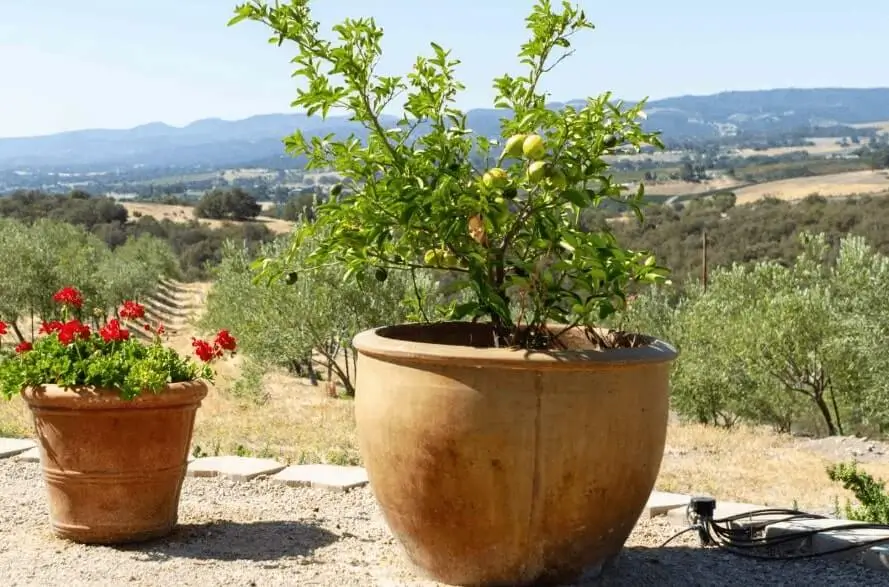
- Dwarf fruit trees: 40–60 litres or more
Best container materials
- Plastic: lightweight and affordable
- Fabric grow bags: excellent drainage.
- Terracotta: breathable but heavier
Always ensure containers have drainage holes. Without drainage, roots can rot quickly. Beginners often underestimate this step, but choosing the right pot makes plant care much easier. You can explore more options in our article on choosing the best containers for balcony fruit trees.
Step 4: Use the Right Soil Mix
Regular garden soil is too dense for containers. For balcony fruit gardening, you need a light, well-draining mix.
Ideal container fruit soil
- High-quality potting mix
- Added compost for nutrients
- Perlite or sand for drainage
Avoid cheap soil that compacts over time. Healthy roots need oxygen as much as water. If you want to go deeper, our guide on the best soil for fruit trees in balcony containers explains how to build or choose the perfect mix.
Step 5: Planting Your Fruit Correctly
Planting technique directly affects long-term growth.
How to plant
- Add a drainage layer if needed.
- Fill the container halfway with soil.
- Place the plant at the same depth it was growing before
- Fill around the roots and gently firm the soil.
- Water thoroughly
Never bury the trunk or crown too deeply. This is a common beginner error that leads to slow growth or disease.
Step 6: Watering Fruit Plants on a Balcony
Balcony containers dry out faster than garden soil, especially in warm climates.
General watering tips
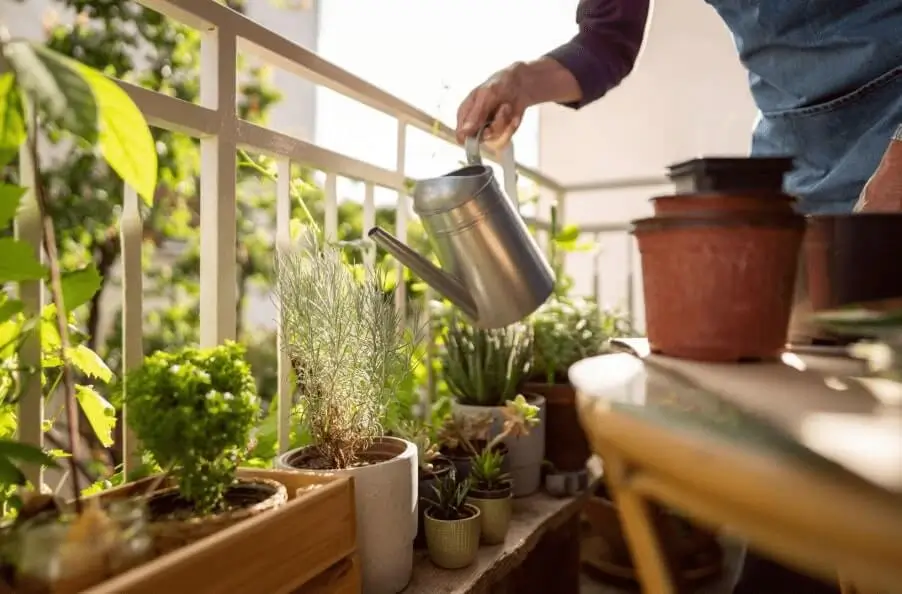
- Water when the top 2–3 cm of soil feels dry
- Water deeply until the excess drains out
- Reduce watering in cooler seasons.
Overwatering is just as harmful as underwatering. To master this balance, many beginners rely on our detailed guide on how often to water fruit trees in containers, which includes seasonal schedules.
Step 7: Feeding and Fertilizing
Fruit plants need a consistent supply of nutrients to produce flowers and fruit.
Fertilizer basics
- Use slow-release fertilizer for beginners.
- Supplement with liquid feed during flowering.
- Avoid overfeeding (leads to leaf growth, not fruit)
Organic fertilizers are often safer and improve soil health over time.
Step 8: Pruning and Ongoing Care
Pruning keeps balcony fruit plants compact and productive.
Why pruning matters
- Controls size
- Improves airflow
- Encourages fruiting
Light pruning once or twice a year is usually enough for container fruit trees.
Common Mistakes Beginners Make
Even with a step-by-step plan, beginners often repeat the same errors.
Top mistakes to avoid
- Using containers that are too small
- Choosing fruit varieties that grow too large
- Poor drainage or heavy soil
- Inconsistent watering
- Ignoring sunlight requirements
Most of these mistakes are easy to fix once you know what to watch for. Starting small and learning from each season is the fastest way to improve.
Tools and Supplies You’ll Need
You don’t need expensive tools to start fruit gardening on a balcony.
Essential items
- Pruning shears
- Watering can or hose with a gentle spray
- Quality potting mix
- Fertilizer suitable for fruit plants
- Mulch to retain moisture
Simple tools are enough to maintain a healthy balcony fruit garden year-round.
FAQ: Fruit Gardening on a Balcony
Can I grow fruit on a small apartment balcony?
Yes. Many fruits thrive in containers and need far less space than traditional gardens.
How much sunlight do balcony fruit plants need?
Most fruits need at least 6 hours of sunlight, but some tolerate partial shade.
What fruit grows best in containers for beginners?
Strawberries, dwarf citrus, figs, and blueberries are excellent beginner choices.
How long does it take to get fruit?
Some fruits, like strawberries, are produced in the first season, while dwarf trees may take 1–2 years.
Do balcony fruit trees need pollination?
Some are self-pollinating, while others may benefit from hand pollination.
Conclusion: Your Next Steps
Fruit gardening on a balcony step by step is achievable for anyone willing to start small and follow proven practices. By choosing the right fruits, containers, soil, and care routine, you can turn even a modest balcony into a productive fruit garden. Start with one or two plants, observe how they respond, and build confidence over time. As your skills grow, expand your setup and explore more advanced techniques. With patience and consistency, your balcony can provide fresh, homegrown fruit season after season.