
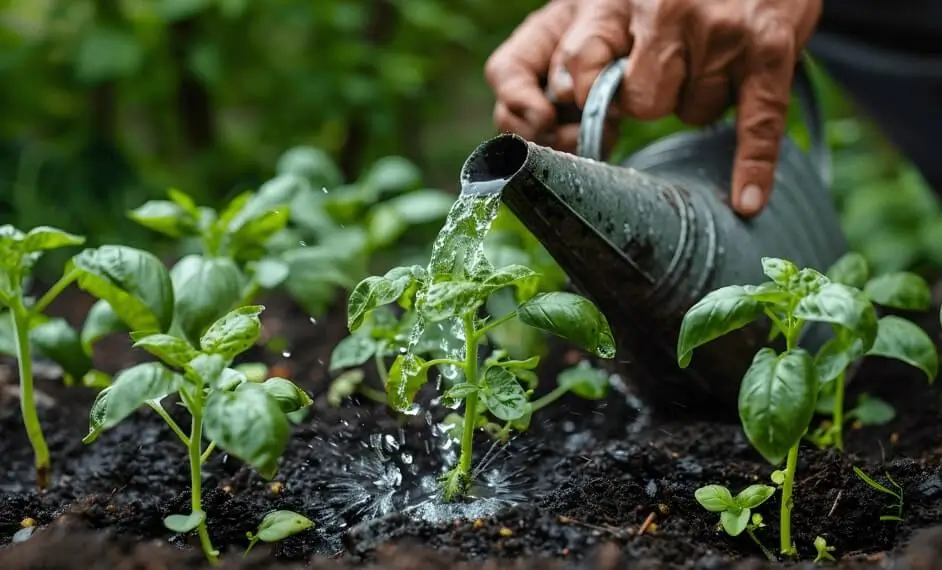
Choosing the right container size is one of the most important decisions when growing fruit trees in pots. Many beginners focus only on soil or sunlight, but container size directly affects how often you need to water, how healthy the roots become, and how productive your fruit tree will be. Small pots dry out quickly and may stress the tree, while oversized containers can hold too much moisture and increase the risk of root problems.
In this beginner-friendly guide, you’ll learn how container size changes watering needs, how to choose the best pot size for fruit trees, and practical watering tips to keep your container garden healthy and thriving.
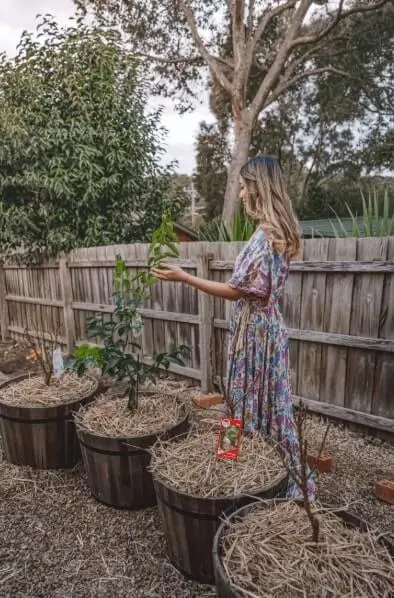
Why Container Size Matters for Watering Fruit Trees
Container size directly controls how water behaves around your fruit tree’s roots. Unlike trees planted in the ground, container-grown trees depend entirely on the limited volume of soil inside the pot.
The Relationship Between Pot Size and Water Retention
- Small containers dry out quickly because they hold less soil and less moisture.
- Large containers retain water longer and buffer roots against temperature swings.
- Soil volume determines how long water stays available to the roots.
In short, the smaller the container, the more frequently you’ll need to water—and the less forgiving mistakes become.
Root Space, Moisture, and Oxygen Balance
Healthy roots need:
- Water
- Oxygen
- Space to grow
When containers are too small:
- Roots crowd together
- Water drains too fast or unevenly.
- Roots dry out between waterings.
When containers are properly sized:
- Water distributes evenly
- Roots stay hydrated without suffocating.
- Trees grow steadily and predictably.
How Container Size Affects Watering Fruit Trees at Each Stage
Small Containers (3–7 Gallons)
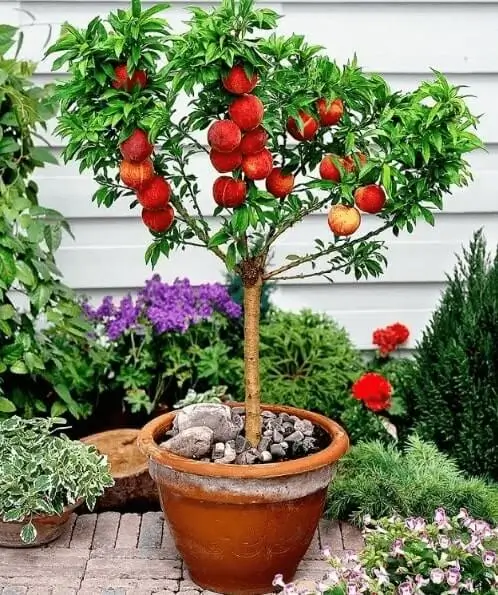
Best for: Seedlings, newly grafted trees, short-term growing
Watering impact:
- Soil dries out rapidly.
- May need watering daily in warm weather
- Very sensitive to heat and wind
Risks:
- Underwatering stress
- Sudden wilting
- Salt buildup from frequent fertilizing
Small containers are manageable in the short term but challenging for beginners. If you’re practicing container fruit gardening for beginners, upgrading quickly to a larger pot is strongly recommended.
Medium Containers (10–15 Gallons)
Best for: Young to semi-mature fruit trees
Watering impact:
- Balanced moisture retention
- Typically watered every 2–4 days.
- Easier to correct mistakes
Advantages:
- Roots have room to expand.
- Soil stays moist longer.
- Better temperature stability
This is the sweet spot for most home gardeners growing citrus, figs, apples, or stone fruit in containers.
Large Containers (20–30+ Gallons)
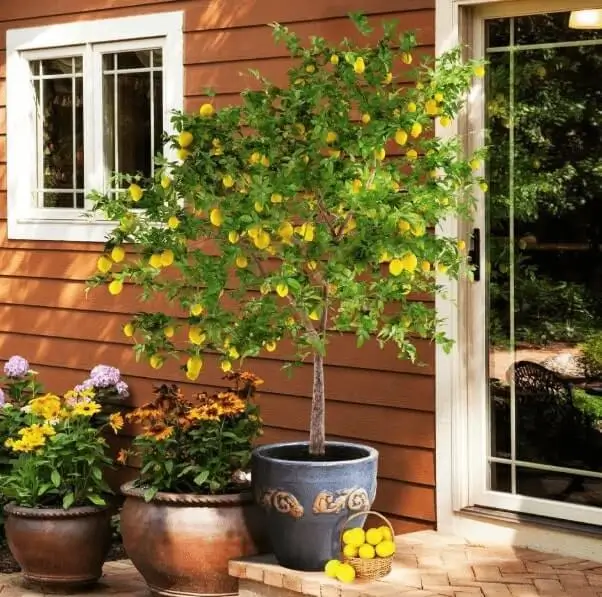
Best for: Mature dwarf or semi-dwarf fruit trees
Watering impact:
- Water penetrates deeper
- Slower drying time
- Watering every 4–7 days, depending on the climate
Key benefit:
Large containers closely mimic in-ground conditions, making watering more forgiving and consistent.
Large containers closely mimic in-ground conditions, making watering more forgiving and consistent.
Step-by-Step: Adjusting Watering Based on Container Size
Step 1: Check Soil Moisture the Right Way
Forget fixed schedules. Always check soil moisture first:
- Insert your finger 2–3 inches deep.
- Use a moisture meter if unsure.
- Water only when the top layer feels dry
Step 2: Water Deeply, Not Frequently
Regardless of pot size:
- Water until it drains from the bottom
- Avoid shallow watering
- Encourage deep root growth.
To maintain consistency, follow a proven watering schedule for potted fruit that accounts for seasonal changes.
Step 3: Match Pot Size to Tree Size
If your tree dries out too fast:
- Increase container size
- Improve soil structure
- Add mulch on top
If the soil stays wet too long:
- Improve drainage
- Reduce watering frequency
- Check the pot drainage holes.
Best Soil Makes Container Size Work Better
Container size and soil quality work together. Even large pots fail if the soil holds too much water or drains too quickly.
Use a mix designed specifically as the best soil for fruit in pots, which should include:
- Organic matter for moisture retention
- Perlite or pumice for drainage
- Balanced nutrients
Avoid garden soil—it compacts and disrupts water flow.
Common Watering Mistakes Linked to Container Size
1. Using Small Pots for Large Trees
- Leads to constant underwatering
- Causes root binding
- Reduces fruit production
2. Overwatering Large Containers
- Soil stays wet longer than expected.
- Roots suffocate
- Encourages fungal diseases
3. Ignoring Seasonal Changes
- Large containers need less water in winter.
- Small containers dry fast in summer.
4. Poor Drainage
- Container size doesn’t matter without drainage holes.
- Standing water leads to root rot.
Best Practices for Success
- Size up containers gradually as trees grow.
- Mulch the soil surface to slow evaporation.
- Elevate pots slightly for better drainage.
- Use light-colored containers in hot climates.
- Combine proper watering with fertilizing fruit trees in containers for optimal growth.
For climate-specific guidance, consider checking recommendations from an authoritative source, such as a university extension service (e.g., UC Cooperative Extension).
FAQ: Container Size & Watering Fruit Trees
How often should I water fruit trees in small containers?
Usually every 1–2 days in warm weather. Always check soil moisture first.
Can a container be too big for a fruit tree?
Rarely. Large containers are safer, but ensure good drainage to prevent overwatering.
Does container depth matter more than width?
Depth is critical for root development, but overall soil volume matters most for watering.
Should I water large containers less frequently?
Yes—but water deeply. Large containers retain moisture longer.
Can container size affect fruit quality?
Absolutely. Consistent moisture from properly sized containers improves fruit size and flavour.
Conclusion: Choose the Right Container, Fix Most Watering Problems
Understanding how container size affects watering fruit trees eliminates much of the confusion around container gardening. When pot size matches tree size, watering becomes easier, roots stay healthy, and fruit trees thrive—even in small spaces.
If your tree constantly struggles with watering issues, the solution may not be more water—it may be a better container.
👉 Continue learning with our in-depth guides on GrowFruitly.com and build a container fruit garden that works with nature, not against it.