
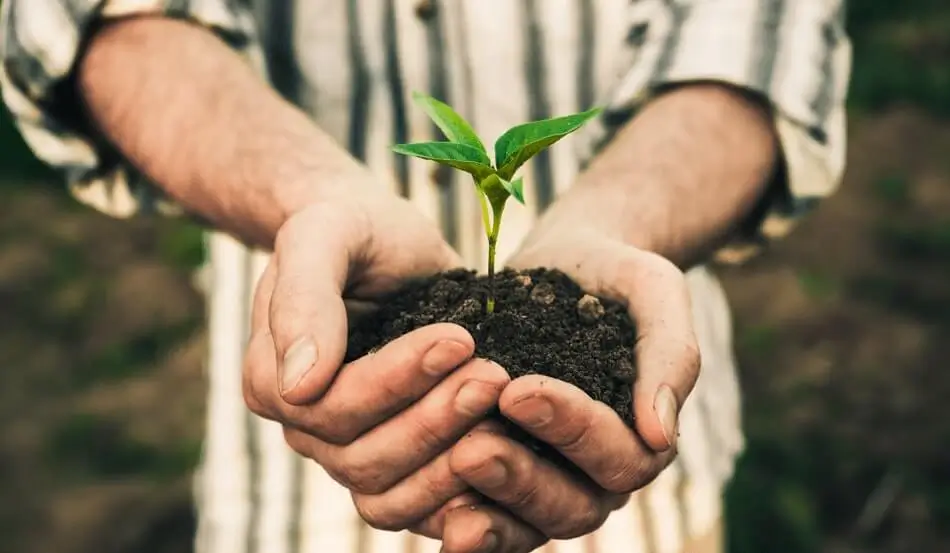
Choosing the best soil for fruit in pots is one of the most important steps for growing healthy, productive plants in containers. Unlike garden soil, potted fruit plants depend entirely on the potting mix you provide for nutrients, drainage, moisture retention, and root support. Whether you’re growing strawberries, blueberries, dwarf citrus trees, or small fruit bushes, the right soil mix can make the difference between weak plants and abundant harvests. In this beginner-friendly guide, you’ll discover what makes a great potting mix for fruit plants, the best ingredients to use, and how to keep your container fruit garden thriving year-round.
What Makes Soil in Pots Different From Garden Soil?
Container soil behaves very differently from ground soil. In the ground, roots can spread outward and downward to find air, water, and nutrients. In pots, roots are confined—and the soil must do all the work.
Key Differences You Need to Know
Soil used for fruit in pots must:
- Drain excess water quickly
- Retain enough moisture between waterings.
- Stay loose and airy over time.
- Provide balanced nutrition
Garden soil fails at most of these. It becomes dense in containers, leading to root rot and poor oxygen flow.
👉 This is especially important if you’re new to container fruit gardening for beginners, where soil mistakes are the #1 cause of failure.
The Ideal Soil Requirements for Fruit in Pots
Before choosing or mixing soil, understand the four essential characteristics fruit plants need in containers.
1. Excellent Drainage
Fruit roots hate sitting in water. Poor drainage causes:
- Root rot
- Fungal diseases
- Stunted growth
The soil must allow water to flow freely while still holding some moisture.
2. Good Moisture Retention
Fast-draining soil alone isn’t enough. Fruit plants need consistent moisture to support flowering and fruiting. A quality potting mix balances drainage with water-holding capacity.
3. Proper Aeration
Roots need oxygen. Compacted soil suffocates roots and slows nutrient uptake. Air pockets in soil keep roots healthy and active.
4. Balanced Nutrients
Container-grown fruit relies entirely on soil for nutrition. Unlike garden soil, nutrients wash out quickly from pots, so the soil must be nutrient-rich but not overly concentrated.
Best Soil Types for Growing Fruit in Pots
Not all potting mixes are created equal. Below are the most effective soil options for container fruit gardening.
High-Quality Potting Mix (Best Overall Choice)
A premium potting mix designed for containers is the safest and most reliable option.
Look for mixes that contain:
- Coco coir or peat moss (moisture retention)
- Perlite or pumice (drainage and aeration)
- Compost or worm castings (nutrients)
Avoid mixes labelled “topsoil” or “garden soil.”
DIY Soil Mix for Fruit in Pots
If you want control and better long-term performance, a DIY mix works extremely well.
Simple DIY recipe:
- 40% coco coir or peat moss
- 30% compost or aged manure
- 20% perlite or pumice
- 10% coarse sand or pine bark fines
This blend offers excellent drainage, airflow, and fertility.
Specialized Mixes (When to Use Them)
Some fruits benefit from soil tweaks:
- Citrus: Slightly acidic mix
- Berries: Acid-loving soil blend
- Tropical fruits: Extra organic matter for moisture
Best Soil by Fruit Type
Different fruits have slightly different soil preferences. Matching soil to fruit type improves yields and reduces problems.
Citrus Trees (Lemon, Orange, Lime)
- Well-draining, slightly acidic soil
- Extra perlite or sand
- Avoid heavy compost
Berry Plants (Strawberries, Blueberries)
- Light, airy soil
- Blueberries need acidic soil.
- Strawberries prefer rich but loose mixes.
Dwarf Fruit Trees (Apple, Fig, Peach)
- Nutrient-rich potting mix
- Excellent drainage
- Larger particles for long-term structure
If you’re feeding regularly, pair good soil with a proper guide on fertilizing fruit trees in containers to maintain consistent nutrition.
Step-by-Step: How to Prepare Soil for Fruit in Pots
Follow this simple process to get perfect soil every time.
Step 1: Choose the Right Container
- Use pots with drainage holes.
- Avoid shallow containers for trees.
- Bigger pots = more stable soil moisture
Step 2: Pre-Moisten the Soil
Dry potting mix repels water. Lightly moisten the soil before planting to ensure even hydration.
Step 3: Add Drainage Support (Optional)
For large pots:
- Add a thin layer of coarse material (pine bark or gravel)
- Do NOT block drainage holes.
Step 4: Fill and Plant Correctly
- Fill the pot halfway.
- Place the plant at the correct depth.
- Backfill gently—do not compact.
Step 5: Water Thoroughly
Water until excess drains out the bottom. This settles soil and removes air pockets.
Best Practices for Maintaining Healthy Soil in Pots
Soil care doesn’t stop after planting.
Refresh Soil Regularly
Over time, potting soil breaks down.
- Top up soil annually.
- Replace soil around trees every 2–3 years.
Water Properly
Overwatering ruins even the best soil. Always adjust watering based on:
- Pot size
- Weather
- Plant growth stage
A structured watering schedule for potted fruit prevents root problems and nutrient loss.
Mulch the Soil Surface
Mulch helps:
- Reduce moisture loss
- Regulate soil temperature
- Improve soil structure over time.
Use bark chips, straw, or compost.
Common Soil Mistakes to Avoid
Many beginners unknowingly sabotage their plants.
Using Garden Soil in Pots
This causes:
- Compaction
- Poor drainage
- Root suffocation
Overloading with Compost
Too much compost leads to:
- Waterlogged soil
- Excess nitrogen
- Weak fruiting
Ignoring pH Needs
Some fruits fail simply due to incorrect soil pH, especially blueberries and citrus.
Never Replacing Old Soil
Old soil becomes depleted and compacted—even with fertilizer.
Tips for Long-Term Success With Container Soil
- Choose pots one size larger than the recommended size.
- Use slow-release organic fertilizers.
- Flush soil with plain water every few months to remove salt buildup
- Elevate pots slightly to improve drainage.
Healthy soil is the foundation of every successful container fruit garden.
Should You Buy or Make Soil for Fruit in Pots?
Both options work—choose based on your situation.
Buy soil if:
- You’re a beginner
- You want convenience
- You grow only a few plants.
Make your own soil if:
- You grow many containers.
- You want a better long-term structure.
- You prefer organic control.
Either way, soil quality matters more than brand names.
Frequently Asked Questions (FAQ)
What is the best soil mix for fruit trees in pots?
A high-quality potting mix with compost and perlite is ideal. It provides drainage, nutrients, and aeration needed for fruit trees in containers.
Can I use regular potting soil for fruit plants?
Yes, as long as it’s designed for containers and not labelled as garden soil or topsoil.
How often should I change the soil in fruit pots?
Replace soil every 2–3 years for fruit trees, and refresh the top layer annually for smaller plants.
Do fruit plants need special soil?
Some fruits like blueberries and citrus benefit from soil with specific pH levels, but most fruits grow well in balanced container mixes.
Is compost alone good for growing fruit in pots?
No. Compost alone holds too much moisture and lacks structure. It should be mixed with aeration materials.
Conclusion: Build Your Success From the Soil Up
Choosing the best soil for fruit in pots is the single most important decision you’ll make in container fruit gardening. Great soil supports healthy roots, steady growth, and reliable harvests—while poor soil leads to endless problems no fertilizer can fix.
By using a well-draining, nutrient-rich potting mix, adjusting the soil for specific fruit types, and properly maintaining it over time, you set yourself up for long-term success. If you’re serious about growing fruit in small spaces, start with the soil—and everything else becomes easier.
👉 Ready to go deeper? Explore more practical guides on GrowFruitly.com and build a thriving container fruit garden, one pot at a time.