
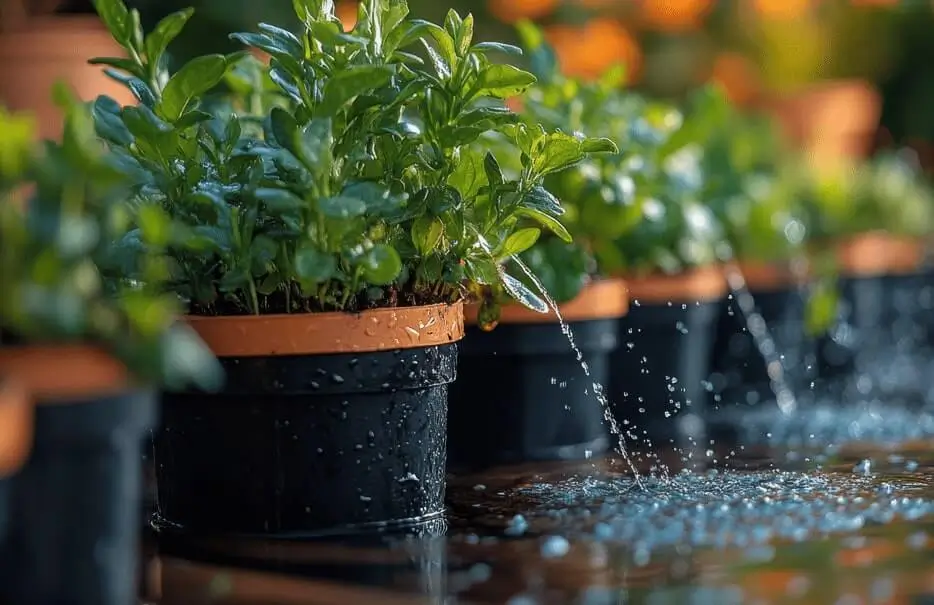
Waterlogged soil is one of the most common problems gardeners face when growing fruit plants in containers. When excess water builds up and drainage is poor, roots struggle to breathe, leading to weak growth, yellowing leaves, and even plant death. Understanding how to quickly fix soggy soil and prevent it from happening again is essential for maintaining healthy, productive potted fruit plants.
Why Waterlogged Soil Is a Serious Problem for Container Fruit Gardening
Fruit plants grown in pots rely entirely on you for water, soil structure, and drainage. Unlike garden soil, containers don’t have earthworms, deep soil layers, or natural runoff to correct mistakes.
When potting soil stays waterlogged:
- Roots can’t access oxygen
- Beneficial microbes die
- Harmful fungi thrive
- Nutrient uptake becomes blocked
Over time, this leads to root rot, leaf yellowing, flower drop, and eventually plant death. Many gardeners assume the plant needs more water, which makes things worse. This is why waterlogged soil is closely linked to problems like overwatering fruit trees in containers and unexplained poor growth.
For container fruit trees—such as citrus, figs, apples, or berries—healthy drainage isn’t optional. It’s essential.
How to Tell If Soil in Your Pots Is Waterlogged
Before fixing the issue, confirm that excess water is truly the problem.
Common signs of waterlogged soil
- Soil stays wet 3–5 days after watering
- A sour or rotten smell from the pot
- Yellowing lower leaves
- Slow or stunted growth
- Fungus gnats hovering around soil
- Water pooling on the surface
If your fruit plant also shows pale leaves and weak growth, waterlogging may be contributing to nutrient lockout. This often overlaps with issues discussed in why container fruit trees grow slowly.
Step-by-Step: How to Fix Waterlogged Soil in Pots
Step 1: Stop Watering Immediately
The first and most important step is to pause watering. Adding more water—no matter how dry the plant looks—will worsen root stress.
Let the pot dry until:
- The top 5–7 cm (2–3 inches) feels dry
- The pot feels noticeably lighter when lifted
Only proceed once excess surface moisture has reduced.
Step 2: Check Drainage Holes (Non-Negotiable)
No amount of soil improvement can fix a pot without drainage holes.
- Ensure at least one large hole (not pin-sized)
- Multiple holes are better for fruit trees
- Remove saucers that trap runoff water
If water cannot exit the pot freely, waterlogged soil will always return—no matter how careful you are.
Step 3: Improve Airflow and Drying Conditions
Environmental conditions strongly affect how fast pots dry.
- Move containers to brighter light (without scorching)
- Increase airflow around pots
- Elevate pots slightly off the ground
In cool or humid weather, soil dries slowly. This explains why fruit trees often struggle during transitional seasons, leading to symptoms like those covered in yellow leaves on container fruit trees.
Step 4: Replace or Fix the Soil (Most Important Long-Term Solution)
Many “potting soils” hold too much water—especially cheap or garden-based mixes.
Ideal soil structure for container fruit plants:
- Loose and airy
- Drains quickly but retains light moisture
- Does not compact when wet
Quick soil fix (for mildly waterlogged pots):
- Gently poke holes into soil with a stick
- Mix perlite or coarse sand into the top layer
Best solution (for severe waterlogging):
- Remove plant from pot
- Trim black, mushy roots
- Repot using a fast-draining mix
Recommended mix for fruit trees in pots:
- 50% quality potting mix
- 30% compost or coco coir
- 20% perlite or pumice
Step 5: Resize the Pot If Necessary
Oversized pots are a hidden cause of waterlogged soil.
- Too much soil = too much water retention
- Roots can’t absorb moisture fast enough
Choose a pot that’s:
- Just 5–8 cm (2–3 inches) wider than the root ball
- Deep enough for root growth, but not excessive
Right-sized containers dry evenly and reduce rot risk.
Step 6: Adjust Your Watering Technique
Proper watering prevents future waterlogging.
Best practices:
- Water deeply, then wait
- Never water on a schedule
- Check soil moisture before watering
Insert your finger or a wooden stick into the soil. If it comes out damp, wait.
This habit also helps prevent stress-related issues like fruit trees dropping flowers or fruits.
Tools and Materials That Prevent Waterlogged Soil
Using the right tools makes prevention easy.
Essential items for container fruit gardening
- Pots with large drainage holes
- Perlite, pumice, or coarse sand
- Moisture meter (optional but helpful)
- Pot feet or risers
- Breathable fabric pots (excellent drainage)
Fabric grow bags are especially useful for beginners because they naturally prevent soggy soil.
Common Mistakes Beginners Make (and How to Avoid Them)
Mistake 1: Adding gravel at the bottom
This does not improve drainage. It raises the water table and worsens waterlogging.
Mistake 2: Reusing old compacted soil
Old soil loses structure and airflow.
Mistake 3: Watering because the surface looks dry
Always check deeper layers.
Mistake 4: Leaving pots in trays of water
Roots sitting in water suffocate quickly.
Avoiding these mistakes alone can dramatically improve plant health.
FAQ: Fixing Waterlogged Soil in Pots
How long does it take for waterlogged soil to dry?
It depends on pot size, soil type, temperature, and airflow. Small pots may dry in 2–3 days, large pots can take over a week.
Can plants recover from waterlogged soil?
Yes—if roots are still mostly white and firm. Early action greatly improves recovery chances.
Should I repot immediately if soil is waterlogged?
If roots smell rotten or soil stays wet for many days, repotting is the best option.
Is sand good for improving drainage?
Only coarse sand works. Fine sand makes soil denser and worse.
How often should I water fruit plants in pots?
Only when the top few inches of soil are dry. There is no universal schedule.
Conclusion: Restore Healthy Roots and Prevent Waterlogging for Good
Fixing waterlogged soil in pots is less about watering less—and more about drainage, soil structure, and observation. Once you improve airflow, choose the right soil mix, and adjust your watering habits, container fruit plants recover quickly.
Start today by checking drainage holes, letting pots dry properly, and upgrading your soil mix if needed. Healthy roots mean stronger growth, better flowering, and more reliable fruit harvests—no matter how small your space is.
Your fruit plants don’t need more water.
They need better conditions.