
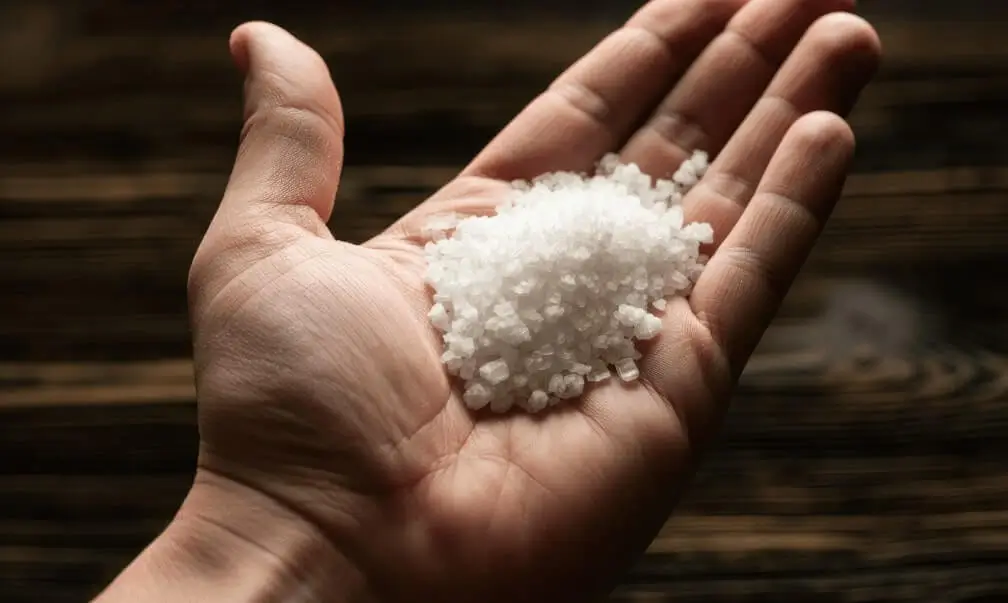
Salt buildup from tap water is a hidden but serious problem for container-grown fruit trees, gradually affecting soil quality and plant health. Over time, dissolved minerals accumulate in pots, leading to poor nutrient absorption, leaf burn, and reduced growth. Understanding the causes, early signs, and effective solutions will help you protect your fruit trees, flush excess salts, and restore a balanced, thriving growing environment.
Why Salt Buildup From Tap Water Matters in Container Fruit Gardening
Salt buildup from tap water is far more common in containers than in garden beds. That’s because pots create a closed system where minerals have nowhere to go.
What causes salt buildup in containers?
Most tap water contains dissolved salts and minerals such as:
- Calcium
- Magnesium
- Sodium
- Chlorine compounds
Each time you water, plants absorb moisture—but salts stay behind. Over weeks and months, these residues accumulate in the soil.
Why container fruit trees are especially sensitive
Fruit trees grown in pots:
- Have limited soil volume
- Rely entirely on you for water and nutrients
- Can’t dilute salts naturally like in-ground trees
As salt concentration rises, it creates osmotic stress, making it harder for roots to absorb water—even when soil looks moist.
Early warning signs to watch for
Salt buildup from tap water often mimics other problems, including:
- Leaf tip burn or browning edges
- Wilting during warm days
- White crust on soil surface or pot rim
- Slowed growth or poor fruiting
These symptoms are often confused with watering mistakes or disease, delaying proper treatment.
How Salt Buildup From Tap Water Damages Soil and Roots
Understanding the damage helps you fix the problem correctly.
1. Root dehydration
High salt levels pull moisture away from roots, causing dehydration even in damp soil. This is why trees may wilt shortly after watering.
2. Nutrient lockout
Excess salts interfere with uptake of:
- Potassium
- Calcium
- Magnesium
This imbalance weakens fruit trees and increases susceptibility to pests and stress.
3. Compacted, lifeless soil
Salt buildup degrades soil structure, reducing:
- Drainage
- Oxygen flow
- Beneficial microbial activity
If your containers already struggle with drainage, this issue becomes even worse. Many gardeners mistake salt damage for drainage failure—especially when dealing with waterlogged pots. Improving soil structure is essential in both cases, as explained in this guide on improving poor drainage in potted fruit trees:
how poor drainage affects potted fruit trees
Step-by-Step: How to Fix Salt Buildup From Tap Water
Step 1: Flush the soil properly (leaching method)
This is the fastest and most effective solution.
How to do it:
- Move the pot outdoors or to a sink/drain area
- Slowly pour distilled, rain, or filtered water through the soil
- Use 2–3 times the container’s volume
- Let water drain freely for 30–60 minutes
This process dissolves and washes excess salts out of the root zone.
Tip: Never flush dry soil—pre-moisten it first to avoid root shock.
Step 2: Check container drainage holes
If water pools or drains slowly, salts remain trapped. Make sure:
- Pots have multiple drainage holes
- Holes are not blocked by compacted soil
- Containers sit slightly elevated
If your tree has been sitting in soggy soil, it may already show stress symptoms similar to salt damage. Learn how to tell the difference by reading about signs of root rot in container fruit trees:
early signs of root rot in container fruit trees
Step 3: Remove surface salt crusts
Visible white deposits should be:
- Scraped off gently
- Discarded (do not mix back into soil)
This prevents salts from re-dissolving during watering.
Step 4: Refresh the topsoil
Replace the top 2–3 inches with:
- Fresh, well-draining potting mix
- Compost blended with coco coir
This restores microbial life and improves moisture balance.
Best Watering Practices to Prevent Salt Buildup Long-Term
Use better water when possible
Ideal options include:
- Rainwater
- Filtered tap water
- Reverse-osmosis water (best for sensitive trees)
If tap water is your only option, allow it to sit overnight before use. This helps chlorine dissipate, though salts remain.
Water deeply, not lightly
Shallow watering concentrates salts near the surface. Instead:
- Water until excess drains out
- Avoid frequent small sips
This also reduces drought stress. If your trees wilt even with frequent watering, salt buildup may be the reason—especially during heat. See how water stress behaves differently in containers here:
understanding water stress in potted fruit trees
Flush soil periodically
Make soil flushing part of routine care:
- Every 4–6 weeks during active growth
- After heavy fertilization
- Before flowering and fruiting stages
Fertilizers and Salt Buildup: What Beginners Get Wrong
Many fertilizers contain salts—especially synthetic ones.
Common mistakes
- Overfertilizing “to boost growth”
- Using liquid feeds too frequently
- Never flushing soil after feeding
Safer alternatives
- Slow-release organic fertilizers
- Worm castings
- Compost tea (lightly diluted)
Excess fertilizer combined with tap water salts creates a double-salt problem, leading to rapid decline.
Soil and Container Choices That Reduce Salt Problems
Choose the right potting mix
Avoid mixes with:
- High peat content only
- Poor drainage additives
Look for blends containing:
- Perlite or pumice
- Coco coir
- Compost
Use breathable containers
Best options include:
- Fabric grow bags
- Unglazed terracotta
- Air-pruning pots
These allow moisture and salts to escape more easily than plastic.
Elevate containers
Lifting pots improves:
- Drainage efficiency
- Salt leaching
- Root oxygenation
If your containers stay wet for days, salt buildup becomes inevitable. Addressing drainage first prevents multiple problems at once, including nutrient imbalance and root disease.
Common Beginner Mistakes That Make Salt Buildup Worse
- Watering without drainage runoff
- Using softened water (high sodium content)
- Ignoring white soil crusts
- Confusing salt damage with nutrient deficiency
- Never replacing old potting soil
One overlooked habit is watering frequency. Many gardeners water too often but not deeply, increasing salt concentration. Improving technique alone can restore struggling trees—especially when combined with better soil practices.
FAQ: Salt Buildup From Tap Water in Container Fruit Trees
Can salt buildup kill container fruit trees?
Yes. Severe salt accumulation can permanently damage roots and lead to tree death if untreated.
How often should I flush container soil?
Every 4–6 weeks during the growing season, or immediately if symptoms appear.
Is rainwater really better than tap water?
Absolutely. Rainwater contains minimal dissolved salts and helps prevent long-term buildup.
Does salt buildup affect fruit taste?
Indirectly. Stressed trees produce smaller, lower-quality fruit due to nutrient imbalance.
Can I reuse salty potting soil?
Not recommended unless thoroughly flushed and amended. Severely affected soil should be replaced.
Conclusion: Restore Balance and Protect Your Container Fruit Trees
Salt buildup from tap water is a silent but serious issue in container fruit gardening. Fortunately, it’s also one of the easiest problems to fix and prevent once you know what to look for. By flushing soil regularly, improving drainage, choosing better water sources, and adjusting fertilization habits, you can restore healthy root function and boost fruit production.
Your next steps:
- Inspect soil surfaces for white residue
- Flush affected containers this week
- Improve watering and drainage habits
- Switch to low-salt water when possible
With consistent care, your container fruit trees will recover—and thrive—for years to come.