
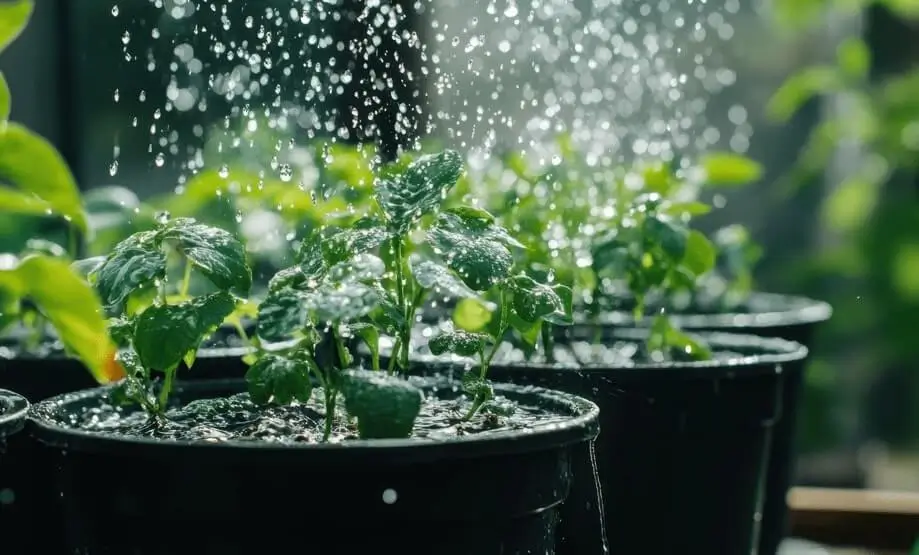
Struggling with soil that refuses to absorb water properly can quietly damage your container fruit plants. When water runs off too quickly or fails to penetrate the root zone, your plants miss out on essential moisture and nutrients. This guide explores the common causes behind poor water absorption in pots and provides practical, proven solutions to restore healthy hydration and support strong, productive fruit growth.
Why Poor Water Absorption in Pots Matters for Container Fruit Gardening
In container fruit gardening, water management is everything. Unlike in-ground trees, potted fruit plants depend entirely on you for consistent moisture and oxygen balance.
When poor water absorption in pots occurs, several problems follow:
- Roots stay dry even after watering
- Nutrients fail to dissolve and move through the soil
- Salt buildup worsens near the root zone
- Roots may die back or stop growing altogether
Fruit trees and edible plants are particularly sensitive because they need stable moisture to support flowering, fruit set, and fruit development. If water cannot penetrate the soil evenly, roots cluster near the surface or drainage holes, leading to weak, unstable plants.
If you’ve noticed symptoms like leaf drop, dry soil pockets, or water rushing out of the pot immediately, you may also want to review proper watering techniques for container-grown fruit trees to rule out technique-related issues.
What Causes Poor Water Absorption in Pots?
Understanding the cause is essential before applying a fix. Poor water absorption in pots usually comes from one (or more) of the following factors.
1. Hydrophobic (Water-Repellent) Potting Mix
Over time, many potting mixes dry out so completely that they become hydrophobic. When this happens, water beads on the surface or runs down the sides without soaking in.
Common triggers include:
- Letting pots dry out too often
- Peat-heavy potting mixes
- Hot, windy conditions
2. Compacted or Degraded Soil Structure
As potting soil ages, fine particles settle and compact. This reduces pore space, preventing water from moving evenly through the mix.
Signs of compaction:
- Hard soil surface
- Slow absorption followed by sudden runoff
- Roots circling tightly at the pot edges
If your soil hasn’t been refreshed in over a year, compaction is a likely culprit.
3. Root Bound Containers
When roots fill the entire pot, water has nowhere to go. Instead of soaking into the soil, water follows the fastest path straight out of the drainage holes.
This is common in fast-growing fruit trees and long-term container plants.
4. Poor Container Design or Drainage Issues
Ironically, both too much and too little drainage can cause poor water absorption in pots.
- Tiny or clogged drainage holes cause surface pooling
- Oversized holes allow water to escape before absorption
- Shallow pots dry out unevenly
Choosing the right pot is just as important as choosing the right soil.
Step-by-Step Solutions to Fix Poor Water Absorption in Pots
Step 1: Rehydrate Hydrophobic Soil Properly
If water runs straight through your pot, don’t just keep pouring more water.
Instead:
- Place the pot in a tray or bucket of water
- Let it soak from the bottom for 20–40 minutes
- Remove and allow excess water to drain
This bottom-watering method allows dry soil to absorb moisture gradually. If this problem happens often, consider adjusting how you water container fruit trees during hot or dry periods.Step 2: Break Surface Tension and Improve Penetration
For stubborn soil:
- Gently loosen the top 2–3 cm of soil with a hand fork
- Water slowly in stages rather than all at once
- Pause between pours to allow absorption
Avoid aggressive digging, which can damage feeder roots.
Step 3: Refresh or Replace Old Potting Mix
If poor water absorption in pots persists, the soil may be past saving.
A high-quality fruit-friendly potting mix should:
- Drain well but retain moisture
- Contain organic matter (compost, coir, bark fines)
- Stay loose and airy after watering
Refreshing the top third of the soil annually can prevent many water absorption problems before they start.
Step 4: Address Root Bound Plants
If roots are tightly packed:
- Remove the plant from the pot
- Gently loosen or trim circling roots
- Repot into a slightly larger container with fresh soil
This improves water flow and encourages new root growth.
Step 5: Adjust Your Watering Technique
Fast watering causes runoff and poor absorption.
Better practice:
- Water slowly
- Apply half the water, wait 5–10 minutes, then water again
- Ensure water reaches the entire root zone
If you’re unsure whether your watering habits are helping or hurting, reviewing common container watering mistakes can be eye-opening.
Common Mistakes Beginners Make
Many beginner gardeners unintentionally worsen poor water absorption in pots. Avoid these common errors:
- Watering too quickly and assuming runoff means saturation
- Using garden soil instead of potting mix
- Ignoring root growth and delaying repotting
- Letting soil dry out completely between waterings
- Using decorative pots without drainage holes
Each of these mistakes disrupts the delicate balance containers require.
Tools, Soil, and Container Tips for Better Water Absorption
Best Soil Characteristics for Container Fruit Plants
Look for mixes that include:
- Coconut coir or compost (moisture retention)
- Perlite or pumice (aeration)
- Bark fines (structure)
Avoid overly fine or peat-heavy mixes unless you monitor moisture closely.
Ideal Containers
Choose containers that:
- Match the plant’s root size
- Have multiple drainage holes
- Are deep enough for fruit tree roots
Self-watering pots can help, but only if you understand how to manage moisture properly to avoid uneven saturation.
Helpful Tools
- Moisture meter (for beginners)
- Watering can with a fine rose
- Mulch (to reduce surface drying)
Mulching the soil surface alone can dramatically reduce recurring poor water absorption in pots.
FAQ: Poor Water Absorption in Pots
Why does water run straight through my pot?
This usually means the soil has become hydrophobic or roots are blocking proper absorption.
Can dry potting soil be fixed, or should I replace it?
Mild cases can be fixed with soaking and slow watering. Severely degraded soil should be replaced.
Is poor water absorption bad for fruit production?
Yes. Inconsistent moisture stresses plants, leading to poor flowering and reduced fruit quality.
How often should I water to prevent this problem?
Water before soil dries out completely. Consistency matters more than frequency.
Do self-watering pots prevent poor water absorption?
They can help, but only if soil structure and root health are maintained.
Conclusion: Fix Poor Water Absorption in Pots for Healthier Fruit Plants
Poor water absorption in pots is a common but solvable problem in container fruit gardening. By understanding the real causes—hydrophobic soil, compaction, root binding, and poor watering habits—you can take targeted action instead of guessing. Start by rehydrating dry soil properly, improve your watering technique, refresh old potting mix, and upgrade containers when needed. These small adjustments make a huge difference in root health, nutrient uptake, and fruit production. Take action today, and your potted fruit plants will reward you with stronger growth and better harvests.