
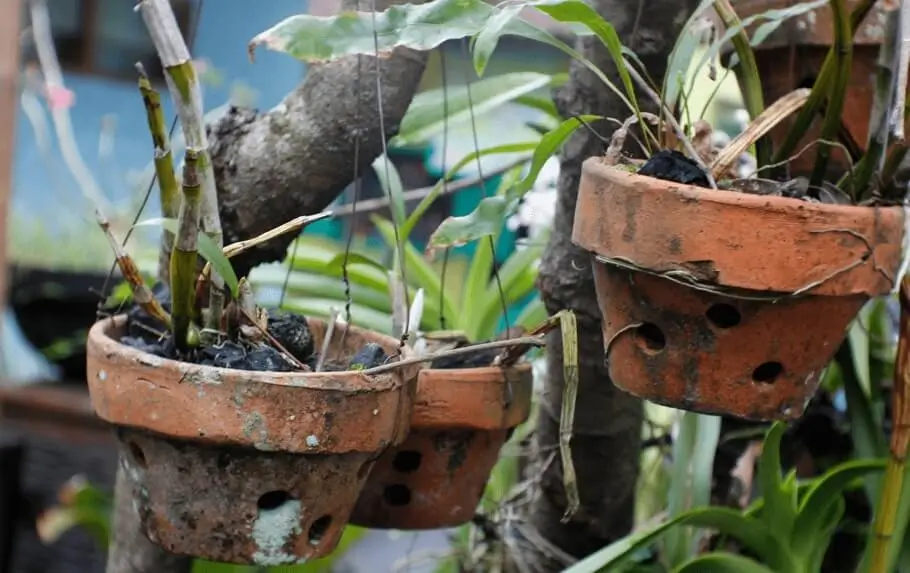
Cold weather can be especially harsh on container-grown fruit trees, where roots and branches are more exposed to freezing temperatures than those planted in the ground. Sudden drops in temperature, frost, and icy winds can lead to damaged roots, cracked bark, and reduced fruit production. Understanding how cold stress affects potted fruit trees—and knowing how to protect, repair, and prevent damage—can help you maintain healthy, productive plants throughout the winter season.
Why Cold Damage Matters for Container Fruit Gardening
Growing fruit trees in pots offers flexibility, but it also comes with unique risks — especially in winter.
Containers Expose Roots to Extreme Cold
In-ground soil stays several degrees warmer than air temperatures. Pots, however:
- Freeze faster
- Thaw repeatedly (causing root damage)
- Offer little insulation to fine feeder roots
Once roots freeze, they cannot absorb water — even if the soil looks moist.
Buds and Flowers Are Highly Vulnerable
Cold damage on fruit trees in pots often shows up as:
- Flower buds turning brown or black
- Blossoms dropping before pollination
- Reduced or zero fruit set in spring
This is especially common for early bloomers like apricot, peach, and citrus.
Urban & Balcony Gardeners Face Extra Challenges
If you garden in small spaces, wind exposure and shade patterns matter. A north-facing or windy balcony can stay colder for longer periods, increasing risk. If you grow fruit trees in low-light areas, understanding how exposure affects plant stress is essential — see our guide on fruit trees growing in shade for related challenges.
How Cold Damage Affects Potted Fruit Trees
1. Root Damage (Most Dangerous)
Roots are the first and most critical part affected by cold.
Symptoms include:
- Tree doesn’t leaf out in spring
- Sudden wilting despite watering
- Black, mushy roots when inspected
Root damage is often fatal if severe.
2. Trunk and Branch Injury
Rapid freezing and thawing can cause:
- Bark splitting
- Sunscald on exposed trunks
- Dieback of young branches
3. Leaf and Bud Damage
Visible signs:
- Leaves turning brown or translucent
- Buds drying out and falling off
- Delayed spring growth
Cold-stressed trees often become more vulnerable to pests and disease later in the season.
Step-by-Step: How to Protect Fruit Trees in Pots from Cold Damage
Step 1: Choose the Right Pot and Insulation Strategy
The container itself plays a major role in winter survival.
Best practices:
- Use thick plastic, wood, or ceramic pots (avoid thin terracotta)
- Wrap pots with:
- Burlap
- Bubble wrap
- Frost blankets
- Elevate pots slightly to prevent freezing from the ground
Avoid sealing drainage holes — roots still need airflow.
Step 2: Move Pots to a Protected Location
One advantage of container gardening is mobility — use it.
Ideal winter locations:
- Against a south-facing wall
- Inside an unheated garage or shed
- Covered patios or balconies
If your space receives limited sun, our article on north-facing balcony gardening explains how to manage light and temperature more effectively in tight spaces.
Step 3: Mulch the Soil Surface Heavily
Mulching is one of the simplest and most effective cold protections.
Use:
- Straw
- Wood chips
- Pine needles
- Shredded leaves
Apply a 5–8 cm (2–3 inch) layer on top of the soil to slow temperature fluctuations.
Step 4: Reduce Watering — But Don’t Let Soil Dry Out
Cold + wet soil = root rot.
Cold + dry soil = root death.
Winter watering rules:
- Water only when soil is dry 3–5 cm deep
- Water earlier in the day
- Never water right before a hard freeze
If you’re unsure when soil renewal or drainage problems may be contributing, see our guide on when to change potting soil for fruit trees.
Step 5: Use Frost Covers on Cold Nights
On nights below 0°C (32°F):
- Cover trees with:
- Garden fleece
- Old blankets or sheets
- Secure covers to trap warm air
- Remove during the day to prevent moisture buildup
Never use plastic directly on leaves.
Step 6: Stop Fertilizing Before Winter
Late-season fertilizing encourages tender new growth — the first thing cold will kill.
Best practice:
- Stop fertilizing 6–8 weeks before expected frost
- Resume feeding only after active spring growth begins
Common Mistakes Beginners Make
❌ Leaving Pots Exposed All Winter
Wind chill dramatically lowers root temperature. Even hardy trees suffer when left unprotected.
❌ Assuming Hardy Trees Don’t Need Protection
A tree hardy to -10°C in-ground may only tolerate -2°C in a pot.
❌ Overwatering in Cold Weather
Cold, wet roots rot quickly. This is one of the most common silent killers.
❌ Ignoring Microclimates
Balconies, corners, and shaded spots stay colder. If your tree already struggles with light, review our solutions for not enough sunlight for fruit trees to avoid compounding stress.
Tools, Containers, and Winter Care Essentials
Recommended winter supplies:
- Frost cloth or fleece
- Mulch materials
- Insulating wraps
- Pot feet or risers
- Moisture meter (optional)
Best container size for cold resistance:
- Minimum 40–50 liters for fruit trees
- Larger soil volume = better thermal stability
How to Tell If a Potted Fruit Tree Has Cold Damage
Check in early spring:
- Scratch test: green under bark = alive
- Bud swelling = healthy
- Brittle branches = dead wood
Prune damaged wood gradually — don’t rush.
FAQ: Cold Damage on Fruit Trees in Pots
Can fruit trees recover from cold damage?
Yes, if roots survive. Leaf and branch damage is often temporary.
What temperature kills potted fruit trees?
It varies, but many roots die below -3°C (27°F) in containers.
Should I bring fruit trees indoors in winter?
Only into unheated, bright spaces. Warm indoor air can confuse dormancy.
Is frost or prolonged cold more dangerous?
Prolonged cold is worse — it penetrates soil and damages roots.
Can I use cardboard or plastic for insulation?
Cardboard works temporarily. Plastic should never touch foliage.
Conclusion: Protect Now, Harvest Later
Cold damage on fruit trees in pots is not a matter of bad luck — it’s usually a matter of preparation. By insulating containers, managing water carefully, choosing protected locations, and responding quickly to frost warnings, you can dramatically reduce winter losses and protect next season’s harvest.
Your next steps:
- Inspect your pots and insulation today
- Relocate trees before the next cold spell
- Mulch, cover, and monitor moisture regularly
With the right winter care, your container fruit trees won’t just survive — they’ll thrive when spring returns. 🌱🍎