
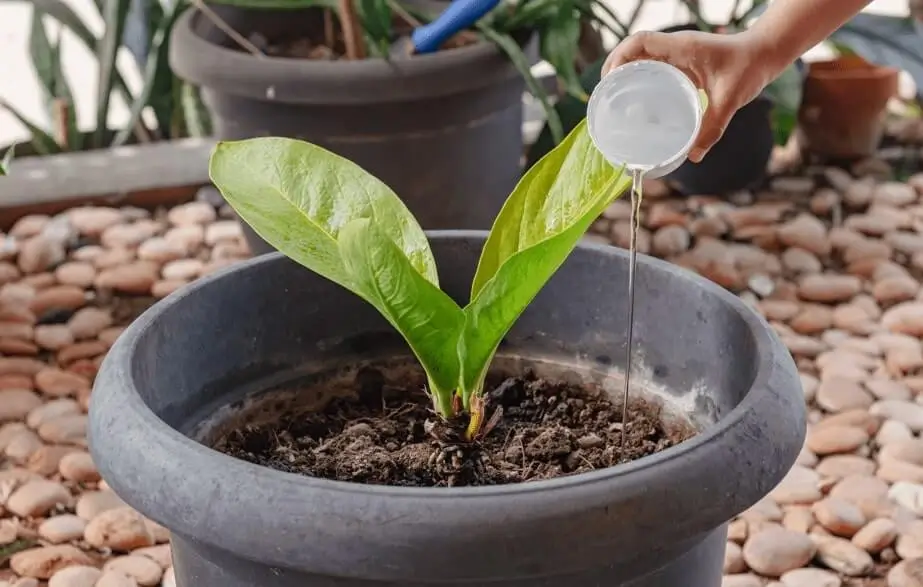
Neem oil is one of the most popular organic solutions for protecting container fruit plants from pests and diseases. It’s widely used by home gardeners because it’s natural, effective, and versatile. However, improper use can lead to problems like leaf burn, plant stress, or reduced effectiveness. Understanding the common issues associated with neem oil—and how to avoid them—will help you use it safely while keeping your potted fruit trees healthy and productive.
Why Neem Oil Problems Matter in Container Fruit Gardening
Container fruit trees live in a more controlled—but also more fragile—environment than in-ground plants. When something goes wrong, the impact is faster and more severe.
Neem oil problems matter more in containers because:
- Roots are confined, so stressed leaves directly affect fruiting
- Soil dries unevenly, increasing the risk of leaf burn
- Air circulation is limited on balconies and patios
- Beginners often overapply treatments, thinking “more is better”
If you’ve dealt with pest pressure before, you may have already tried neem oil after reading about natural pest control for fruit trees on GrowFruitly. While neem oil can be effective, improper use can worsen problems like sticky leaves, leaf drop, or reduced flowering—especially in pots.
Understanding how neem oil works (and how it fails) is essential before spraying your container fruit plants again.
What Neem Oil Does (and What It Doesn’t)
Neem oil is extracted from neem tree seeds and works in three main ways:
- Disrupts insect feeding and reproduction
- Suffocates soft-bodied pests (aphids, whiteflies, mites)
- Acts as a mild antifungal when used correctly
However, neem oil is not:
- A fast-acting insecticide
- Effective against all pests
- Safe to use at any time of day or temperature
- Harmless when overused
Many gardeners notice problems like sticky residue and insects returning shortly after treatment—similar to issues discussed in guides about sticky leaves on fruit trees. These symptoms often come from misuse, not from neem oil itself.
Common Neem Oil Problems (and Why They Happen)
1. Leaf Burn After Spraying
Leaf scorch is the most common neem oil complaint in container fruit plants.
Why it happens:
- Spraying during hot weather
- Applying in direct sunlight
- Using a mixture that’s too strong
Container plants heat up faster than garden soil, making leaves more vulnerable.
2. Sticky or Shiny Leaves That Attract Dust
Many gardeners confuse neem oil residue with honeydew from pests.
Why it happens:
- Too much oil in the spray
- Poor emulsification
- Repeated applications without rinsing
This can worsen airflow issues and contribute to fungal problems similar to those seen with mold on fruit tree soil.
3. Pests Keep Coming Back
Neem oil does not kill instantly.
Why it happens:
- Spraying adult insects only
- Inconsistent application timing
- Heavy infestations beyond neem’s capacity
In advanced cases, neem oil should be part of a broader integrated pest strategy.
4. Flowers Drop or Fruit Set Fails
Neem oil can interfere with pollination if misused.
Why it happens:
- Spraying during bloom
- Applying too frequently
- Contact with beneficial insects
For fruit trees in pots, one poor flowering cycle can mean an entire lost harvest.
Step-by-Step: How to Use Neem Oil Correctly in Containers
Step 1: Mix the Correct Dilution
For container fruit trees:
- 1 teaspoon neem oil per 1 liter (or quart) of water
- Add a few drops of mild liquid soap as an emulsifier
- Shake well before and during use
Never exceed recommended strength—stronger does not mean more effective.
Step 2: Choose the Right Time
Best conditions:
- Early morning or evening
- Temperatures below 27°C / 80°F
- No direct sunlight
- No rain expected for 24 hours
This reduces leaf burn and improves effectiveness.
Step 3: Test Before Full Application
Spray one or two leaves and wait 24 hours. If there’s no damage, proceed.
This simple step prevents serious setbacks in container-grown trees.
Step 4: Apply Evenly, Not Excessively
- Spray leaf undersides first
- Lightly coat, do not drench
- Avoid dripping oil into soil
Overapplication can worsen root and soil issues, similar to early symptoms discussed in root diseases in potted fruit trees.
Step 5: Repeat Strategically
- Every 7–10 days during infestations
- Stop once pests are under control
- Do not spray continuously as a “preventative”
Neem oil works best as a targeted solution, not a routine habit.
Neem Oil Best Practices for Container Fruit Trees
Clean Leaves Occasionally
Rinse leaves with plain water a few days after spraying to remove residue buildup.
Rotate Treatments
Alternate neem oil with other mild controls like insecticidal soap to prevent pest resistance.
Support Plant Health
Healthy plants resist pests better. Ensure:
- Proper drainage
- Balanced fertilization
- Adequate sunlight
Weak container plants attract pests faster than vigorous ones.
Common Neem Oil Mistakes Beginners Make
- Spraying during midday heat
- Using neem oil on stressed or drought-affected plants
- Applying during flowering
- Mixing too strong “just to be safe”
- Treating symptoms instead of identifying the pest
If you’re unsure which pest you’re dealing with, first compare symptoms to common leaf damage patterns like holes, spots, or sticky residue before reaching for neem oil.
Tools and Supplies That Improve Neem Oil Results
- Hand-pump or fine-mist sprayer
- Measuring spoon or syringe
- Mild liquid soap (unscented)
- Clean water (not hard or chlorinated if possible)
- Soft cloth for wiping leaves
Quality tools improve coverage and reduce overdosing—key for container fruit success.
Neem Oil Problems and Solutions: FAQ
Is neem oil safe for all fruit trees in pots?
Most container fruit trees tolerate neem oil when properly diluted, but always test first—especially with young plants.
Can neem oil kill beneficial insects?
Yes, if sprayed directly. Apply during early morning or evening to minimize harm.
Why do my leaves look worse after neem oil?
Leaf burn, residue buildup, or spraying in heat are common causes. Adjust timing and dilution.
How often should I use neem oil on container fruit trees?
Only when pests are present, typically every 7–10 days, and stop once controlled.
Can neem oil be used on edible fruit?
Yes, but stop applications 7–14 days before harvest and wash fruit thoroughly.
Conclusion: When Neem Oil Helps—and When It Hurts
Neem oil is a powerful tool for container fruit gardeners, but only when used with care. Most neem oil problems come from overuse, poor timing, or misunderstanding what it can realistically do. By applying it correctly, testing first, and supporting overall plant health, you can control pests without harming your trees.
Your next steps:
- Identify the pest accurately
- Adjust your neem oil dilution and timing
- Monitor results instead of spraying on autopilot
Used wisely, neem oil becomes an ally—not a setback—in your container fruit gardening journey.