
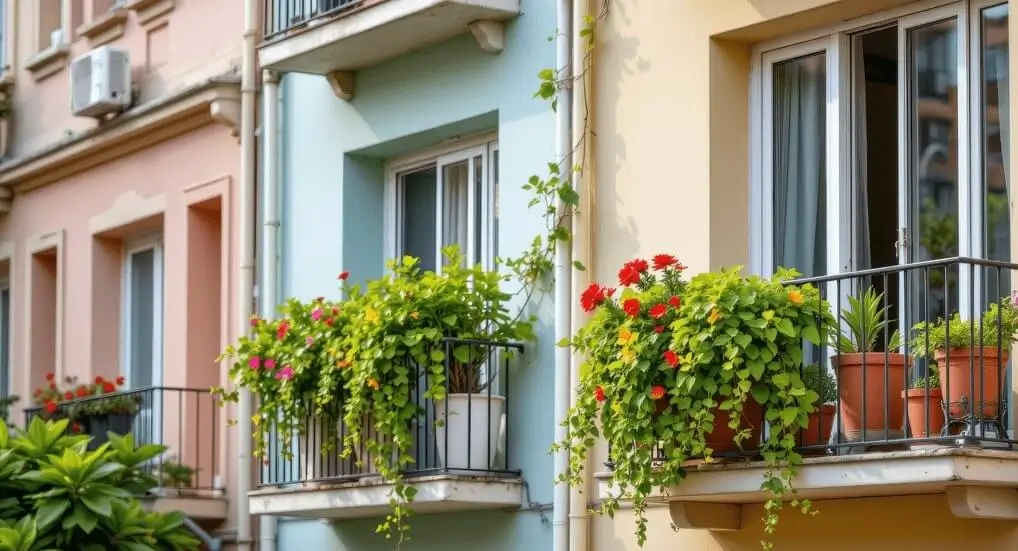
Growing fruit trees on a balcony is rewarding, but many gardeners face a frustrating problem—healthy plants that bloom beautifully yet fail to produce fruit. One of the most common reasons is a lack of natural pollinators like bees and butterflies. In small urban spaces, especially balconies and indoor patios, these essential helpers are often scarce, leading to poor pollination and low fruit yield.
Understanding why pollinators are missing and how to attract or replace them is key to improving fruit production. In this guide, you’ll learn the main causes behind poor pollination in balcony gardens and discover practical, proven solutions to boost fruit set—even in limited spaces.
Why Lack of Pollinators on Balconies Matters for Container Fruit Gardening
Pollination is the process that allows flowers to develop into fruit. For many fruiting plants, pollen must be transferred from the male part of a flower to the female part—usually by insects.
On balconies, this process often breaks down for several reasons:
- Limited access for flying insects
- Fewer flowering plants nearby
- Wind barriers from buildings
- Overuse of pest control products
Without adequate pollination, plants may:
- Drop flowers prematurely
- Produce misshapen or very small fruit
- Set fruit inconsistently or not at all
This issue is closely connected to other common balcony-growing problems, such as poor airflow and plant stress. If you’ve noticed weak flowering or poor fruiting, it’s worth reviewing how environmental factors affect container plants, including spacing and ventilation, as explained in this guide on how airflow affects fruiting in container plants.
Which Fruit Plants Are Most Affected by Poor Pollination?
Not all fruit plants rely on pollinators equally. Understanding what you’re growing helps you decide how aggressive your pollination strategy needs to be.
Highly Pollinator-Dependent Plants
These usually need insects or manual help:
- Strawberries
- Blueberries
- Raspberries
- Cucumbers and squash
- Apples, pears, and stone fruit (dwarf trees)
Partially Self-Fertile Plants
These can set fruit alone but benefit from pollinators:
- Tomatoes
- Peppers
- Figs
- Citrus
Mostly Self-Pollinating Plants
Less affected, but yields still improve with insects:
- Beans
- Peas
If your balcony garden focuses on berries or dwarf fruit trees, solving the lack of pollinators is essential for consistent harvests.
Step-by-Step Solutions to Fix Lack of Pollinators on Balconies
1. Add Pollinator-Friendly Flowers in Containers
Fruit plants alone are often not attractive enough to insects. Adding nectar-rich flowers dramatically increases visits.
Best balcony-friendly options:
- Lavender
- Calendula
- Nasturtium
- Alyssum
- Basil (let it flower)
Place these flowers at the same height as your fruit plants. Pollinators move horizontally more than vertically, especially on balconies.
For best results, mix flowering herbs directly into your fruit containers or group them closely. This technique pairs well with efficient container layouts discussed in small-space container gardening basics.
2. Choose Flower Colors and Shapes That Attract Insects
Pollinators are selective. Color and shape matter more than most beginners realize.
- Bees prefer blue, purple, and yellow flowers
- Butterflies favor flat, open blooms
- Small insects like clustered flowers
Avoid double-flowered varieties—they often look beautiful but produce little nectar or pollen.
3. Improve Balcony Access and Visibility
If pollinators can’t find your plants, they won’t visit.
Practical tips:
- Place flowering containers near balcony railings
- Avoid blocking plants behind glass or screens
- Keep flowers visible from open air
If possible, grow a few plants that trail or rise slightly above the railing to act as visual signals.
4. Stop Using Products That Harm Pollinators
Even “organic” sprays can reduce pollinator visits.
Common mistakes:
- Spraying neem oil during the day
- Using broad-spectrum insecticidal soap
- Treating plants while they’re flowering
If pest control is necessary, follow safe timing and application methods like those outlined in safe pest control methods for edible plants. Always spray at dusk and avoid open blooms.
5. Hand Pollination: A Reliable Backup Strategy
When insects don’t show up, you can step in.
How to hand-pollinate:
- Use a soft paintbrush or cotton swab
- Gently collect pollen from one flower
- Transfer it to the center of another flower
- Repeat every 1–2 days during flowering
This method works exceptionally well for:
- Strawberries
- Tomatoes
- Peppers
- Dwarf fruit trees in pots
While manual, it guarantees results—especially during cool or windy periods.
Balcony Setup Tips That Encourage Natural Pollination
Container Placement and Grouping
Scattered plants are harder for insects to explore efficiently.
Best practice:
- Group fruit plants in clusters
- Place flowers at the edges
- Avoid isolating single pots
This layout also improves microclimate stability and reduces plant stress, which you can learn more about in why container plants drop flowers.
Soil Health and Plant Vigor
Weak plants produce less nectar and pollen.
Ensure:
- High-quality potting mix
- Regular feeding with balanced fertilizer
- Adequate watering without waterlogging
Healthy plants send stronger signals to pollinators and hold flowers longer.
Common Beginner Mistakes That Reduce Pollination
- Growing only fruit plants with no flowers
- Over-pruning during flowering
- Using pesticides “just in case”
- Expecting pollinators on high-rise balconies without attraction
- Ignoring manual pollination
Another overlooked issue is poor plant health caused by pests or diseases. If flowers look damaged or drop early, check this guide on identifying pests on container fruit plants before assuming pollination is the only problem.
Tools and Supplies That Help with Balcony Pollination
You don’t need much, but a few items help:
- Small soft paintbrush (for hand pollination)
- Flowering herb seeds
- Lightweight pots for easy rearranging
- Balanced liquid fertilizer
- Sticky traps (to monitor pests, not pollinators)
Avoid decorative stones covering all soil surface—they reduce beneficial insect activity.
FAQ: Lack of Pollinators on Balconies
Why do my balcony fruit plants flower but not produce fruit?
This is usually due to insufficient pollination. Flowers may open and drop without setting fruit if insects don’t transfer pollen or if conditions are stressful.
Are balconies too high for bees and pollinators?
Higher floors receive fewer visits, but it’s not impossible. Strong visual cues, nectar-rich flowers, and open access can still attract pollinators even several stories up.
Can I rely only on self-pollinating fruit plants?
You can, but yields are often lower. Even self-pollinating plants benefit from vibration or insect activity.
How often should I hand-pollinate?
Every 1–2 days during peak flowering gives the best results, especially in calm weather.
Do pollinator hotels help on balconies?
They can help solitary insects but are less effective than flowers. Focus on food sources first.
Conclusion: Turning Balcony Flowers into Fruit
A lack of pollinators on balconies is one of the most common—and fixable—reasons for poor fruit harvests in container gardens. By adding the right flowers, improving visibility, avoiding harmful sprays, and using hand pollination when needed, you can dramatically improve fruit set even in tight urban spaces.
Start small: add two flowering herbs, adjust container placement, and monitor results this season. Combine these steps with healthy soil and good plant care, and your balcony can become a productive, pollinator-friendly micro-garden—no backyard required.