
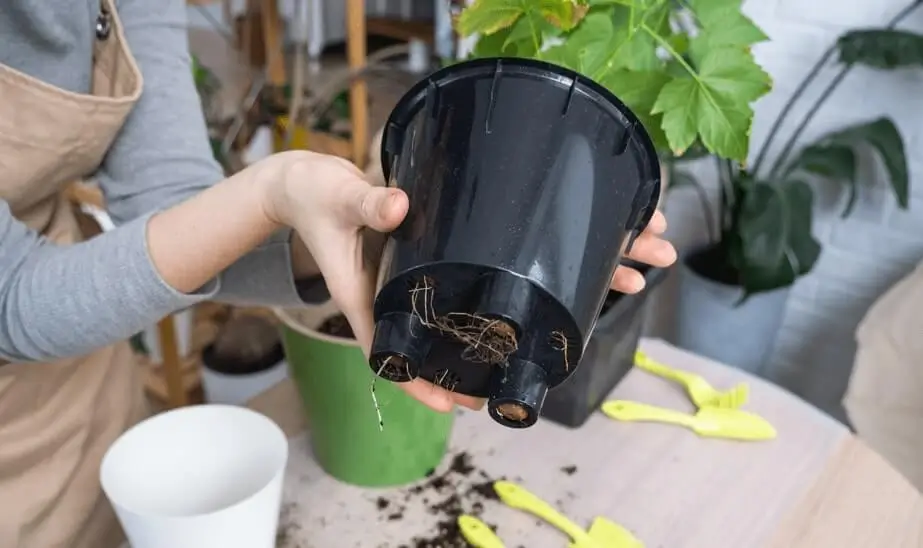
Good drainage is one of the most important factors for successful container gardening. Without proper drainage, water stays trapped inside pots, leading to root rot, fungal diseases, weak growth, and unhealthy plants. Whether you grow fruit trees, vegetables, herbs, or ornamental plants in containers, improving drainage helps roots receive the oxygen they need to thrive. In this complete guide, you’ll learn the best ways to improve drainage in pots, choose the right materials, avoid common mistakes, and create a healthier growing environment for strong container plants.
Why Proper Drainage Matters for Container Fruit Gardening
Container-grown plants depend entirely on you for their growing environment. Unlike garden soil, excess water in pots has nowhere to go unless drainage is intentionally designed.
What happens when drainage is poor?
- Roots sit in waterlogged soil.
- Oxygen levels drop around roots.
- Nutrients become unavailable
- Harmful fungi thrive
- Growth slows or stops completely.
Fruit trees are especially sensitive. Even moisture-loving varieties need air around their roots. If you’ve noticed wilting despite wet soil or leaves turning yellow after watering, drainage is likely the cause.
Good drainage allows:
- Excess water needs to escape quickly.
- Roots to breathe
- Beneficial microbes thrive
- Consistent, healthy growth
If you’re still choosing your growing medium, this pairs well with understanding the best soil mix for container fruit gardening, which directly impacts drainage and root health.
Signs Your Pots Have Poor Drainage
Before fixing drainage, confirm the problem. Common warning signs include:
- Water is pooling on the soil surface for minutes.
- Pots are feeling heavy long after watering.
- Sour or rotten smell from the soil
- Mushy roots when repotting
- Algae or mould growth on the soil surface
- Fruit trees are dropping leaves unexpectedly.
If several of these apply, it’s time to take action.
Step-by-Step: How to Improve Drainage in Pots
1. Always Use Pots with Drainage Holes
This sounds obvious, but it’s the #1 mistake beginners make.
Every pot must have at least one drainage hole.
Decorative pots without holes should only be used as outer covers.
Decorative pots without holes should only be used as outer covers.
Best practices:
- One large hole or multiple smaller holes
- Holes at the lowest point of the pot
- Avoid saucers that hold standing water.
If you’re growing indoors, empty saucers after watering to prevent root suffocation.

2. Choose the Right Pot Size and Shape
Drainage is affected by container dimensions.
Better draining pots:
- Taller than wide (encourages downward water flow)
- Proportional to root size
- Not excessively deep for small plants
Oversized pots stay wet too long, while undersized pots compact soil quickly. For fruit trees, gradually increasing container size supports both drainage and root development.
If you’re planning long-term growth, review how to choose the right container size for fruit trees to avoid drainage issues later.
3. Use a Well-Draining Potting Mix (Not Garden Soil)
Garden soil is too dense for containers. It compacts easily and blocks airflow.
Ideal potting mix characteristics:
- Lightweight
- Loosely structured
- Holds moisture without staying soggy
A good container mix includes:
- Compost or aged organic matter
- Coco coir or peat moss
- Perlite or pumice
- Pine bark fines
Avoid mixes labelled “moisture-retaining” for fruit trees unless modified.
For a deeper breakdown, see the best compost and soil blends for container fruit gardening, which explains the balance between drainage and water retention.
4. Add Drainage-Boosting Materials (The Right Way)
There’s a lot of confusion here.
What works:
- Perlite (lightweight, improves airflow)
- Pumice (durable, excellent drainage)
- Pine bark fines (structure + aeration)
- Coarse sand (small amounts only)
What to avoid:
- Rocks or gravel at the bottom (creates a perched water table)
- Broken pottery shards
- Thick layers of stones
Instead of layering, mix drainage materials evenly throughout the soil. This ensures consistent airflow from top to bottom.
5. Elevate Pots to Improve Water Exit
Even good drainage holes won’t help if water can’t escape freely.
Simple fixes:
- Pot feet or risers
- Wooden slats
- Bricks or plant stands.
Elevation prevents:
- Blocked drainage holes
- Salt buildup
- Root suffocation after heavy rain
This is especially important for outdoor containers that are frequently watered or exposed to rain.
6. Adjust Your Watering Technique
Overwatering isn’t about frequency—it’s about timing.
Water properly by:
- Watering slowly until excess drains out
- Letting the top 2–5 cm dry between watering
- Checking moisture before watering again
Finger tests or moisture meters help beginners avoid guesswork. Poor drainage combined with frequent watering is a guaranteed way to damage roots.
To fine-tune this further, explore how to properly feed and water potted fruit trees, ensuring that watering and nutrition work together.
7. Improve Drainage When Repotting
Repotting is the best opportunity to permanently fix drainage problems.
During repotting:
- Remove compacted soil
- Trim rotting roots
- Refresh with airy potting mix.
- Avoid packing soil too tightly.
Repot fruit trees every 1–2 years, depending on growth rate. This restores airflow and prevents long-term drainage issues.
Common Drainage Mistakes Beginners Make
❌ Using garden soil in pots
❌ Adding rocks at the bottom
❌ Choosing decorative pots without holes
❌ Watering on a schedule instead of soil conditions
❌ Oversizing containers too early
Correcting even one of these mistakes can dramatically improve plant health.
Best Containers for Better Drainage
Material matters.
Excellent drainage options:
- Fabric grow bags (air-pruning roots)
- Terracotta pots (breathable)
- Plastic pots with multiple holes
Less ideal:
- Fully glazed ceramic pots
- Self-watering pots (unless experienced)
For balconies and patios, fabric grow bags are often the easiest way to ensure drainage and root health.
FAQ: Improving Drainage in Pots
How do I improve drainage in pots without repotting?
Elevate the pot, clear blocked holes, reduce watering frequency, and ensure excess water can escape freely.
Is adding gravel at the bottom good for drainage?
No. It creates a perched water table and traps moisture near roots.
Can I drill holes in existing pots?
Yes, if the material allows. Use proper drill bits and add multiple holes for better results.
How fast should water drain from a pot?
Water should start draining within seconds and finish within a minute or two.
Do fruit trees need different drainage than flowers?
Yes. Fruit trees require deeper, better-aerated soil to support long-term root health.
Conclusion: Healthy Roots Start with Proper Drainage
Learning how to improve drainage in pots is one of the most important skills in container fruit gardening. Drainage affects everything—root health, nutrient uptake, disease resistance, and fruit production.
By choosing the right pot, using a well-draining soil mix, elevating containers, and watering correctly, you create an environment where roots can thrive. Start with one improvement today—whether it’s switching soil or raising pots—and your plants will reward you with stronger growth and better harvests.
For long-term success, pair good drainage with proper feeding, container sizing, and seasonal care to get the most out of your potted fruit trees.