
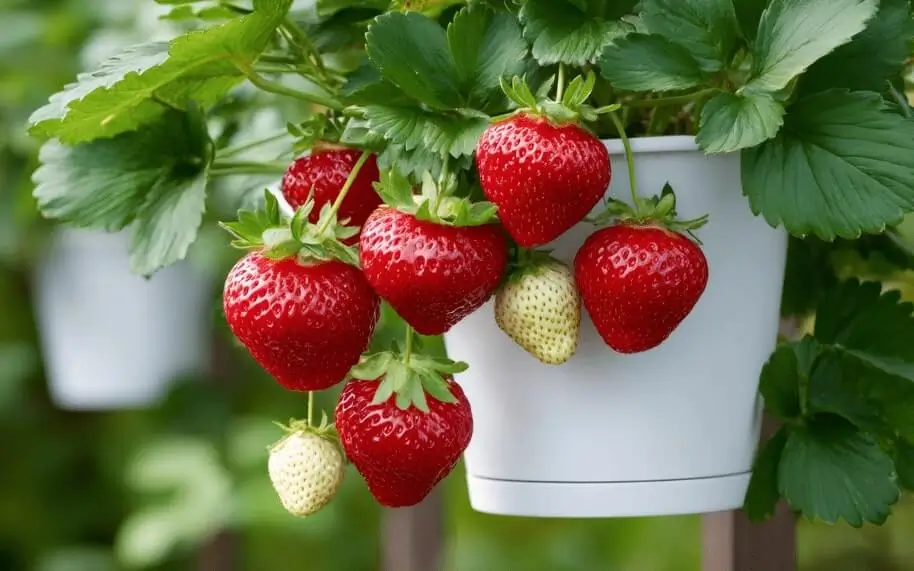
Container fruit gardening is becoming one of the easiest and most practical ways for beginners to grow fresh fruit at home, even with limited space. Whether you have a balcony, patio, rooftop, or small backyard, growing fruit trees and plants in containers allows you to enjoy homegrown harvests without needing a traditional garden. This beginner-friendly guide explains what container fruit gardening is, how it works, its benefits, and the best fruits to start with for successful container growing.
What Is Container Fruit Gardening?
Container fruit gardening is the practice of growing fruit-bearing plants—such as trees, shrubs, or vines—in pots, planters, or other containers rather than directly in the ground.
Containers can be placed on:
- Balconies
- Patios
- Rooftops
- Small yards
- Indoors near bright windows
By controlling soil, water, sunlight, and space, container gardening makes fruit growing accessible to beginners and urban gardeners.
Why Container Fruit Gardening Matters
Perfect for Small Spaces
Not everyone has a garden. Container fruit gardening is ideal for:
- Apartment dwellers
- Renters who can’t dig soil
- Urban homes with limited outdoor space
Even a single sunny corner can produce fresh fruit.
Full Control Over Growing Conditions
When you grow fruit in containers, you control:
- Soil quality
- Drainage
- Watering schedule
- Sun exposure
This control often results in healthier plants than in poor garden soil.
Easier Maintenance for Beginners
Containers make fruit trees:
- Easier to prune
- Easier to protect from pests
- Easier to move during extreme weather
If you’re new to fruit growing, containers reduce risk and complexity.
Faster Results
Many container-grown fruit trees produce earlier because:
- Roots stay slightly restricted.
- Plants allocate energy to fruiting rather than to excessive growth.
What Fruits Can Be Grown in Containers?
Many fruits thrive in pots when properly cared for:
Best Fruits for Containers
- Citrus trees (lemon, lime, orange)
- Dwarf apple and pear trees
- Figs
- Strawberries
- Blueberries
- Peaches (dwarf varieties)
- Pomegranates
- Grapes (with support)
For a full beginner list, see our guide on the best fruits to grow on balconies.
Step-by-Step: How Container Fruit Gardening Works
Step 1: Choose the Right Fruit Variety
Not all fruit trees are suitable for containers. Look for:
- Dwarf or semi-dwarf varieties
- Trees labelled “patio” or “container-friendly.”
- Naturally compact plants
Avoid standard-size fruit trees—they outgrow containers quickly.
Learn more in our article on dwarf fruit trees for small spaces.
Step 2: Select the Proper Container
Your container must:
- Be large enough for root growth.
- Have drainage holes
- Be durable (plastic, fabric, ceramic, or wood)
General size guidelines:
- Small fruit plants: 10–15 gallons
- Dwarf fruit trees: 15–25 gallons
- Larger container trees: 25–30 gallons
A deeper breakdown is available in our guide to choosing the best containers for balcony fruit trees.
Step 3: Use the Right Soil Mix
Garden soil is not suitable for containers.
A good fruit tree potting mix should:
- Drain well
- Retain moisture without staying soggy.
- Contain organic matter
Most gardeners use:
- High-quality potting mix
- Compost
- Perlite or sand for drainage
For soil recommendations by fruit type, read our guide on the best soil for fruit trees in balcony containers.
Step 4: Position for Sunlight
Most fruit plants need:
- 6–8 hours of direct sunlight daily
Balconies facing south or west work best. If light is limited, choose fruits like:
- Figs
- Citrus
- Strawberries
Step 5: Water Correctly
Container plants dry out faster than ground-grown plants.
Watering rules:
- Water deeply until it drains from the bottom
- Check soil moisture regularly.
- Never let containers sit in standing water.
Beginners often struggle here—our article on how often to water fruit trees in containers explains this in detail.
Step 6: Feed Your Plants
Container fruit trees rely on you for nutrients.
Use:
- Slow-release fertilizer
- Organic compost
- Liquid fertilizer during active growth
Fertilize lightly but consistently.
Essential Tools for Container Fruit Gardening
You don’t need expensive equipment. Start with:
- Large containers with drainage
- Quality potting soil
- Hand pruners
- Watering can or hose
- Organic fertilizer
- Mulch to retain moisture
These basics cover 90% of beginner needs.
Common Mistakes Beginners Make
Using Containers That Are Too Small
Small pots:
- Restrict roots
- Dry out quickly
- Reduce fruit production
Always size up when in doubt.
Overwatering or Underwatering
Too much water causes root rot.
Too little causes fruit drop.
Too little causes fruit drop.
Consistency matters more than volume.
Choosing the Wrong Fruit Tree
Standard fruit trees fail in containers.
Always choose dwarf or container-specific varieties.
Always choose dwarf or container-specific varieties.
Ignoring Sunlight Requirements
Without enough sun:
- Trees grow weak
- Flowers drop
- Fruit never forms
Track sunlight before planting.
Skipping Pruning
Pruning:
- Controls size
- Encourages fruiting
- Improves airflow
Even beginners should prune each year.
Indoor vs Outdoor Container Fruit Gardening
Outdoor Containers
- Best yields
- Natural pollination
- Seasonal care required
Indoor Containers
- Great for citrus
- Requires bright windows or grow lights
- Lower yields but still rewarding
Our full guide on indoor fruit gardening for beginners covers indoor setups in detail.
FAQ: Container Fruit Gardening
Is container fruit gardening good for beginners?
Yes. Containers offer better control, fewer pests, and easier maintenance than ground planting.
How long do fruit trees live in containers?
With proper care and occasional repotting, many fruit trees thrive for 10–20 years in containers.
Do container fruit trees produce real fruit?
Absolutely. Many container trees produce full-size, flavorful fruit.
Can I grow fruit year-round in containers?
In warm climates, yes. In colder areas, containers can be moved indoors or protected during winter.
How often should I repot container fruit trees?
Every 2–3 years, or when roots become crowded, growth slows.
Conclusion: Is Container Fruit Gardening Worth It?
Container fruit gardening is one of the most practical ways for beginners to grow fresh fruit at home—no garden required. By choosing the right plants, containers, soil, and care routine, you can enjoy healthy fruit trees even in the smallest spaces.
Start small. Choose one fruit tree, place it in a quality container, and learn as you go. As your confidence grows, you can expand your collection and harvest more fruit each season.
If you’re ready to continue, explore our beginner-friendly guides on GrowFruitly.com and take your next step toward growing fruit anywhere. 🍋🌱